by Mike Perfetti, Senior Associate, Landscape Architect
One challenge we face on many public park projects is protecting newly installed plants from being trampled by park users. (Another challenge is preventing plants from being devoured by wildlife!) Recently we worked with Davido Consulting Group at San Juan County’s Odlin Park to design renovations to an extremely popular waterfront campground.
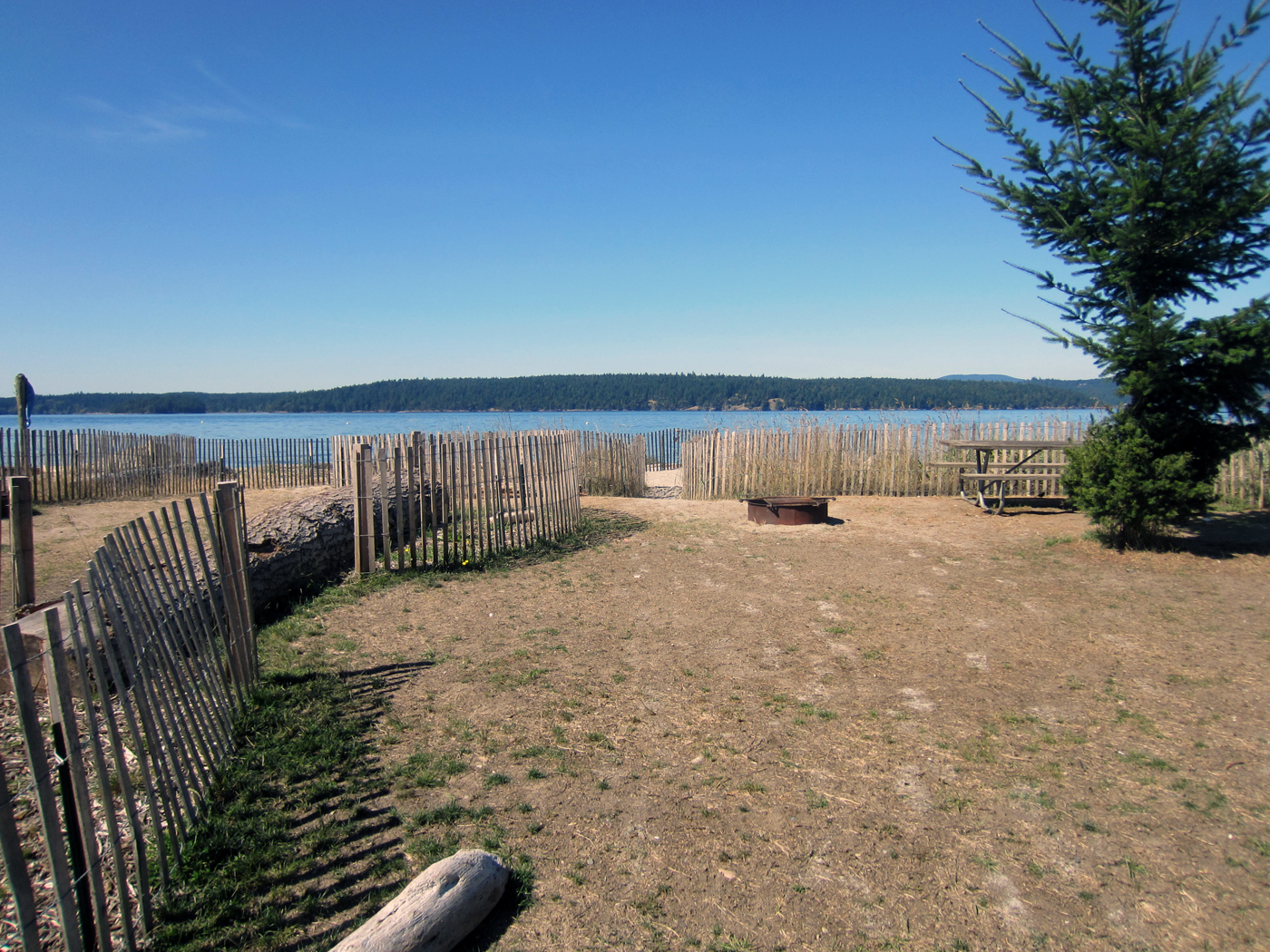
The design relocates the campground road away from the beach and creates walk-in campsites in areas that were once pull-in (car) sites.
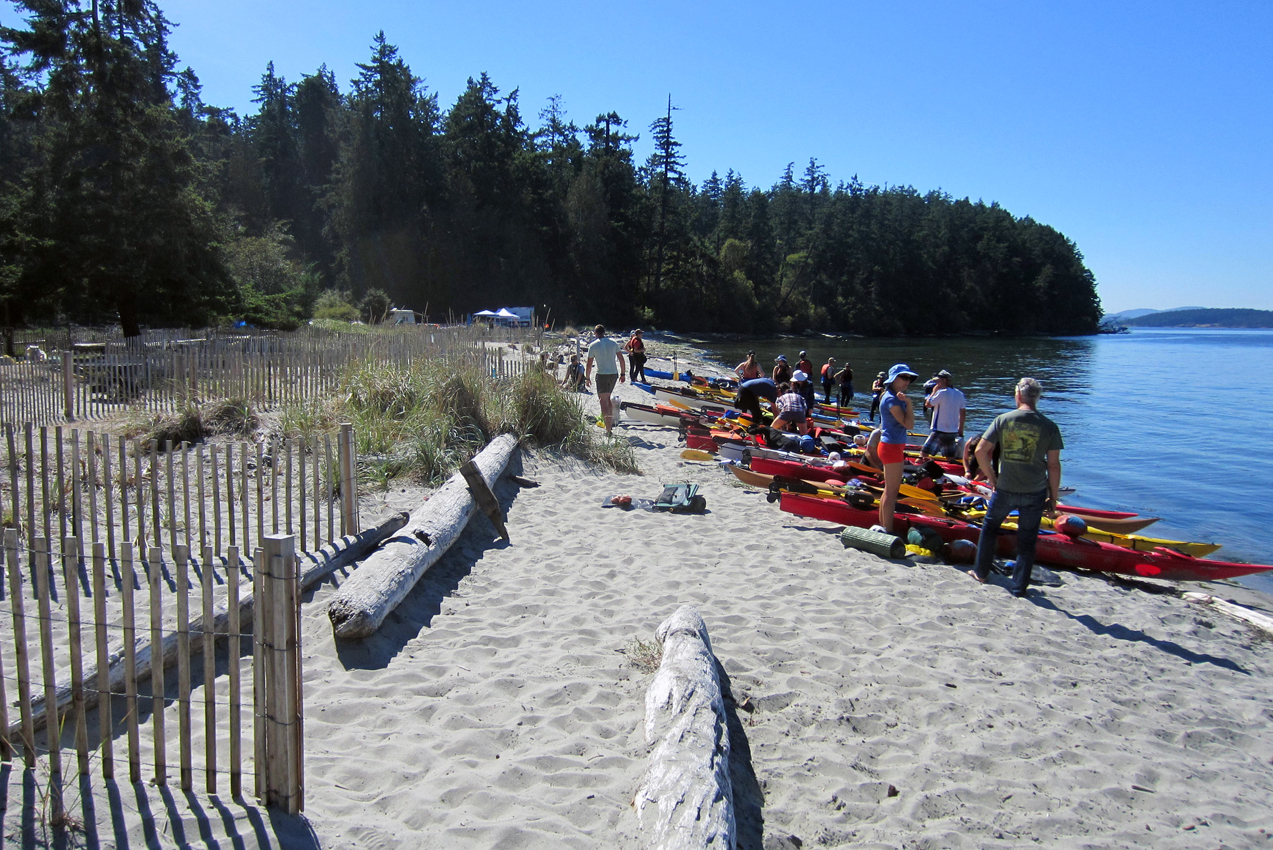
Previously, the beach sites were strung together, tents, and portable shelters packed in against one another. Cars parked in all sorts of configurations within the sites. Though patches of dune grass prevailed around user trails, the grass was unable to expand, limited by the expansive human footprint.
With the renovations, we used native shoreline plants to create more privacy between the beach sites. The restored vegetation on the shoreline also enhances habitat and reduces erosion. The beach sites don’t have irrigation and budget was an issue during design, so it was important to take a restoration approach, using smaller plant material.
It will take some time for the smaller plants to become established and substantial enough to achieve their desired effect. In anticipation of this time lag, we designed a pattern of dune fencing to protect the plants and delineate use zones. After one jam-packed camping season and record-breaking heat, the shoreline planting areas are doing well.
Shore pines, Nootka Rose and Dune grass will eventually form thickets of semi-shady beach plantings, their scent mixing with the salt air and helping to break the wind as campers stoke the beach fires.
In the meantime, the dune fencing will provide some of that function, creating an aura that is distinctly beachy, a welcome improvement from the cluster of vehicles and the unabated camp stuff that used to sprawl across the shoreline at Odlin Park.
I recently had the opportunity to travel to Taiwan’s scenic east coast again and present at a symposium. I have been involved with tourism planning for the East Coast Tourism Bureau for the past 15 years and previously worked on development of the Green Island Master Plan.
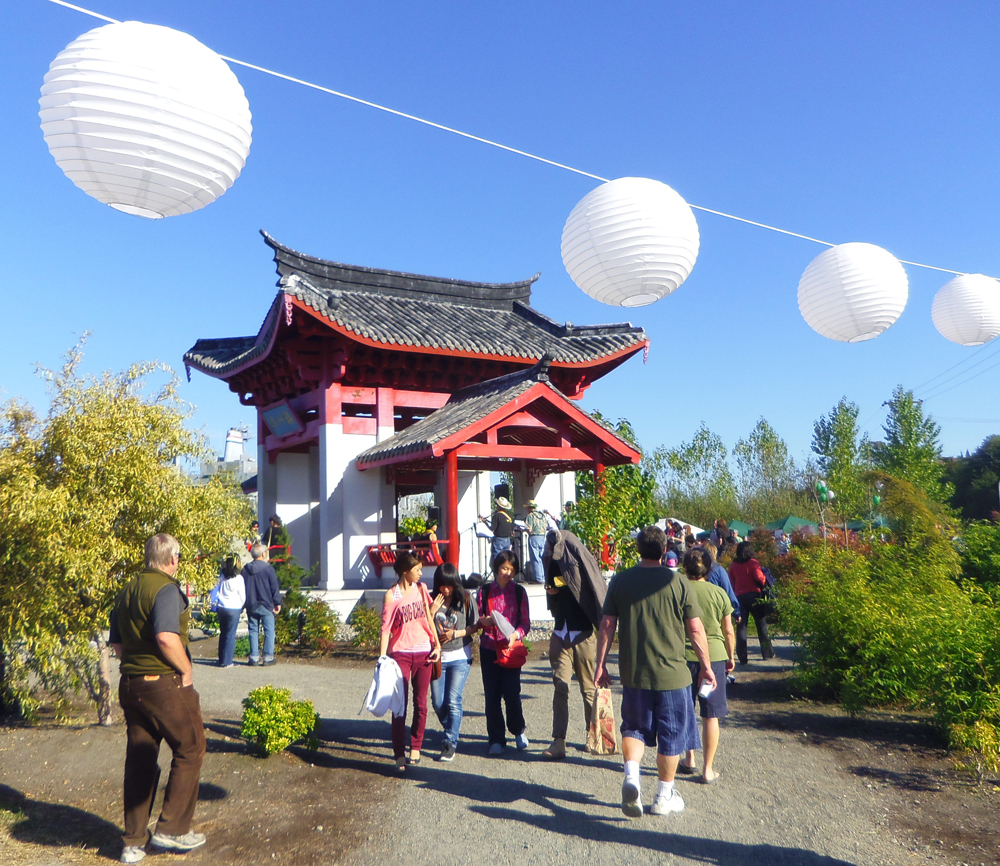
The S.E. Coast of Taiwan is experiencing increased visitation of tourists from mainland China. The rapid growth in tourism and resulting encroachments on tribal lands and traditional use areas is creating negative impacts to Taiwan’s aboriginal community. At the symposium, I presented concepts for culturally sensitive design and discussed processes to involve the native community. I worked with Joe Lee of ECG International, a partner firm, to explore and present case study projects that successfully express cultural identity.
As the first discussion, the symposium served as a starting point for the long-term goal, which is to find common ground that leads to mutually beneficial solutions for the government, tribes, and developers.
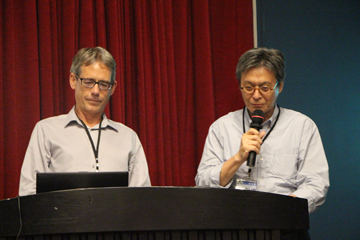
Jim and Joe Lee.
There will be lots of hard work to get to a win / win outcome. The director of the East Coast Scenic Area was impressed with the progress made during the meeting. We expect that the plan resulting from this process will protect tribal interests and improve Taiwan’s scenic east coast for all visitors.
“Spotlight Awards highlight excellence and achievements in the field of parks and recreation by honoring the amazing efforts of public agencies. Facilities & Parks Awards recognize the highest standards in design, development and renovation of park and recreation areas.” – WRPA
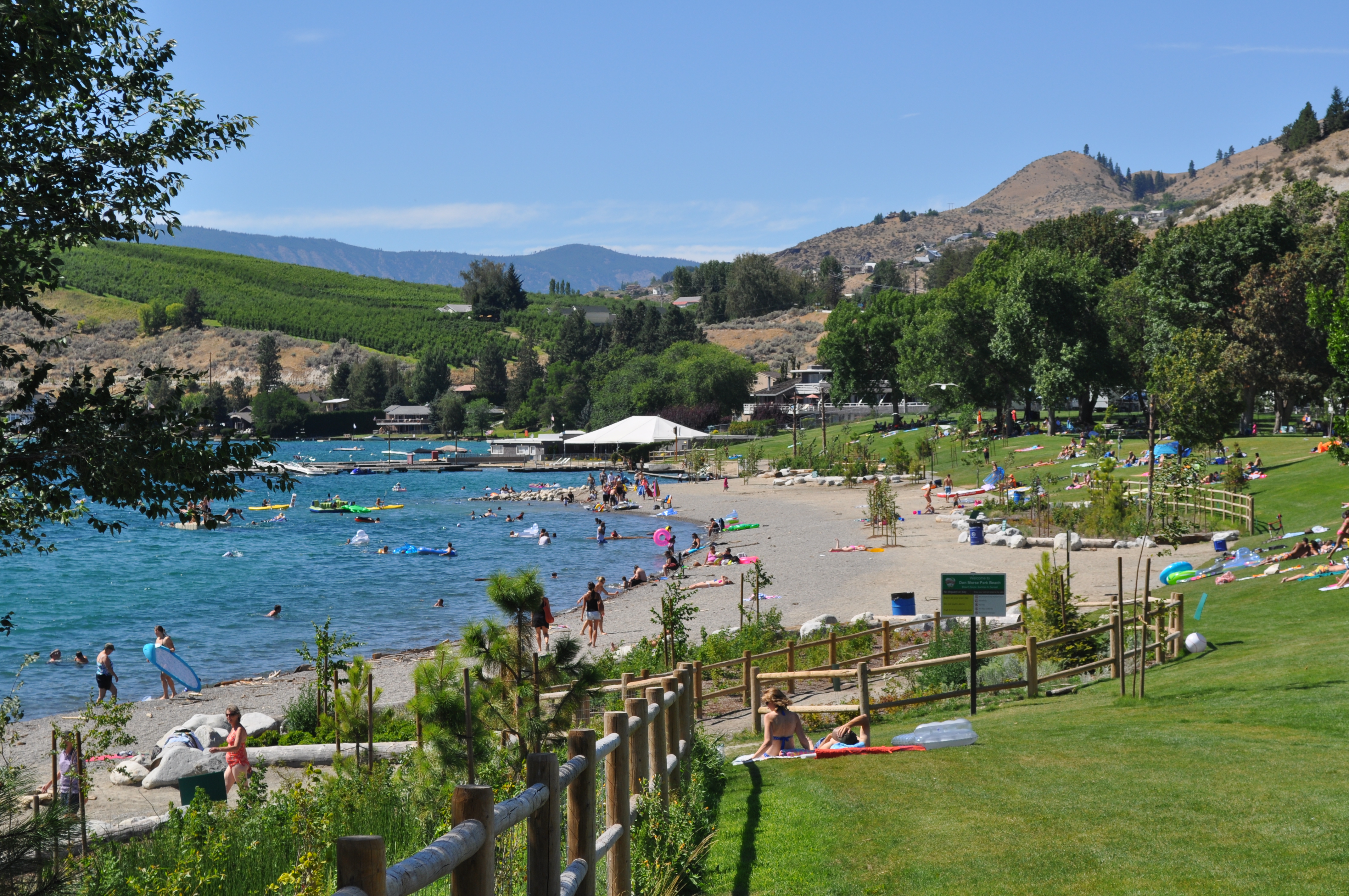
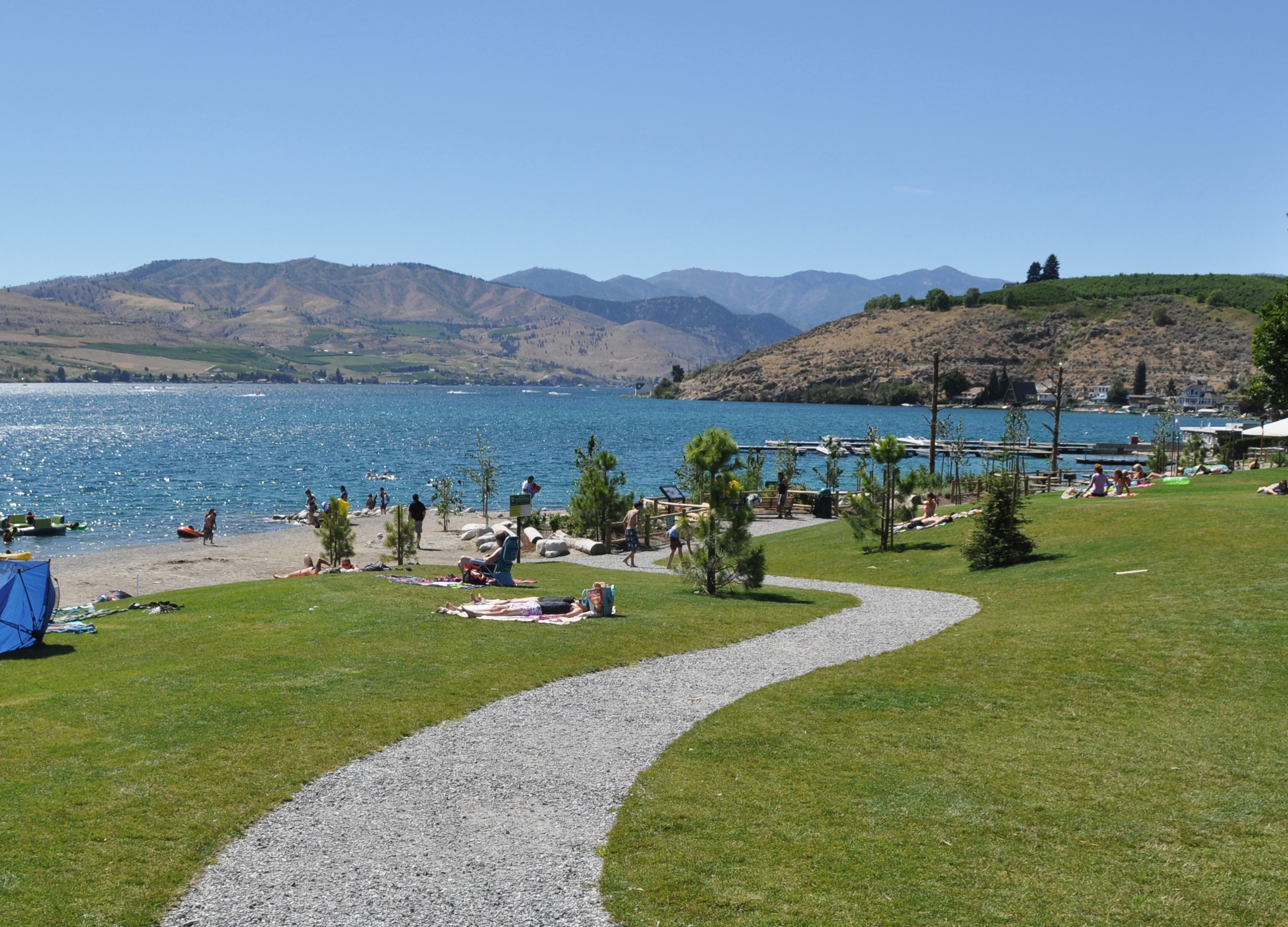
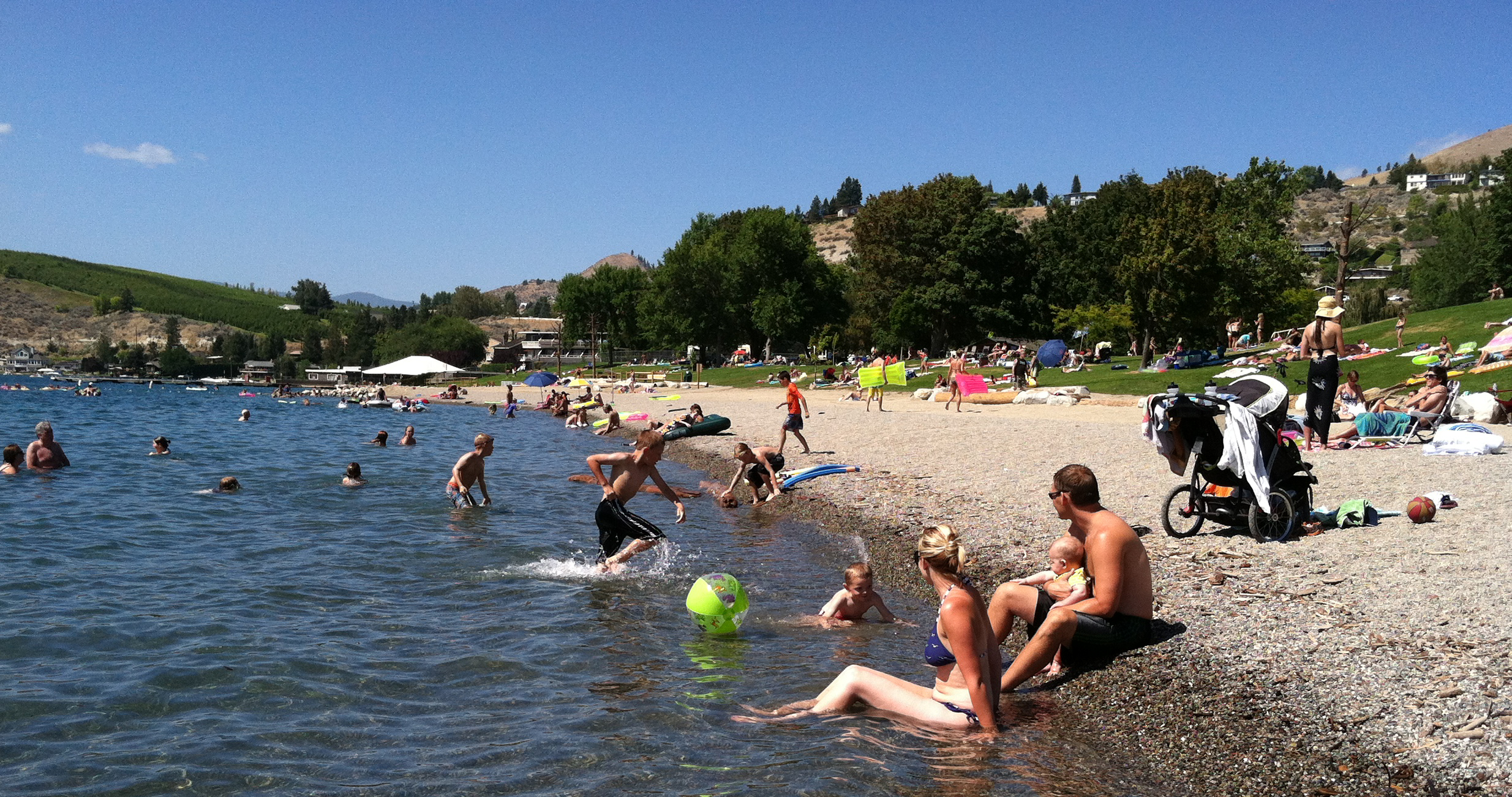
J.A. Brennan congratulates the City of Chelan and Parks and Recreation Director Charles Sablan. We are proud to have helped Chelan restore its premier waterfront park and swimming beach.
J.A. Brennan served as prime consultant. The design team included Reid Middleton, Coast & Harbor Engineering, The Watershed Company, SWCA, Budinger & Associates, Shannon & Wilson, Cascade Interpretive Design, Sparling, Erlandsen Inc., and Nelson Geotechnical Consultants.
Good civic spaces provide communities with vital places for congregation and celebration and can augment, if not define, the spirit of a neighborhood and city. Part of the design process for public spaces involves pinpointing and expressing significant and unique character traits and culture in the resulting forms. Through creative collaboration with the community, designers can assist groups in interpreting their identity and the specific needs for public spaces. As landscape architects we synthesize our physical understanding of a site and its history with our creative ideas to establish placemaking features into a space.
Over the next several weeks the JABLOG will explore processes and design techniques that invigorate civic life and articulate a neighborhood’s character within the public realm. We will discuss how history, people, landscape interpretation, art, and architecture are translated through the design process to create bold or subtle statements about a community’s identity.
Process
A component of developing successful civic spaces includes establishing placemaking features and/or iconic focal points in collaboration with the people who use the space and who it represents. This is a process of exploring a community’s understanding of itself.
Inherent in designing is the task of finding common ground and working towards a common purpose, distilling a vision from many voices. An inclusive public process brings people together to express and hear diverse ideas, bonding the participants.
The importance and history of a site are known to those around it. As designers we work with the public to understand and articulate a community’s core values and its culture. Some have a clear vision of how to express their identity. Others look to the landscape architect to facilitate the process of synthesizing the ingredients they have gathered to make a bold statement. Ultimately, good placemaking expresses the core of a community in the design.
Creativity
The designer distills what is learned about the site and uses forms, materials, colors, and natural elements to design placemaking features.
There is the satisfying moment of finding the perfect expression of a place.
Will it be…
A gateway marker?
A view?
A pattern in the wall?
A signature structure?
A fountain?
A sculpture?
A story told in the landscape?
Iconic placemaking elements ultimately enhance gathering places, enrich relationships with the landscape, and improve wayfinding and navigation within the geographic setting.
A good process results in an iconic placemaking element and spirit of place that is embraced by the community.
The ABA Accessibility Guidelines for Outdoor Developed Areas final rule went into effect on November 25. Anyone involved in outdoor accessibility issues in a federal setting will likely be affected by the final rule.
Changes in materials need careful consideration, (Juanita Beach Park, Kirkland, WA)
Several of us at the office recently participated in a webinar on these updates. The ABA Accessibility Guidelines provide technical requirements to ensure projects on federal lands (or built by federal agencies) are accessible to people with disabilities. In our day-to-day work we often choose to follow ABA standards (even on non-federal projects) because they provide effective, reasonable, and specific design guidelines for accessible outdoor facilities including trails, beach access, camping sites, etc.
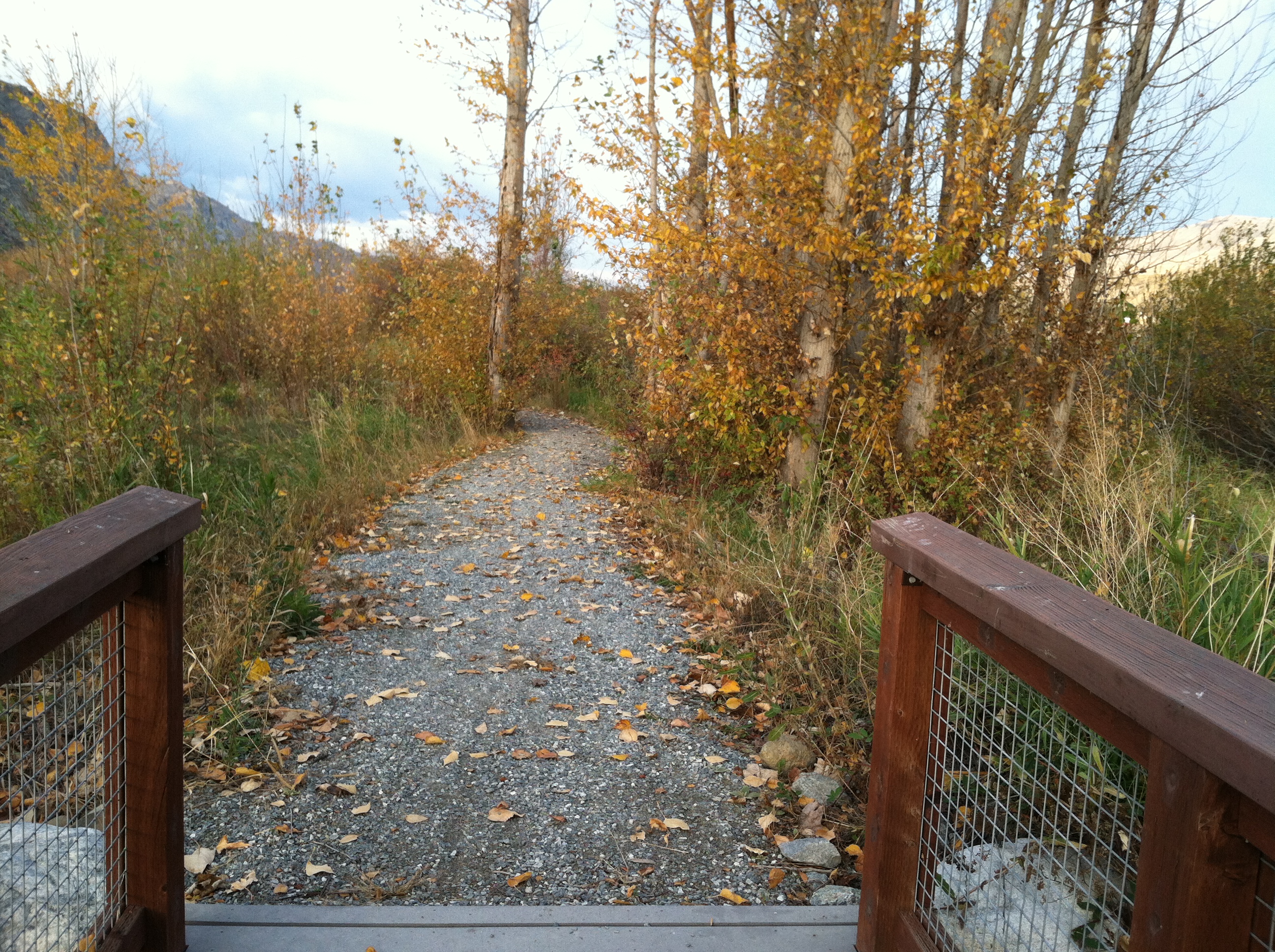
ADA accessibility works with crushed surfaces but has its challenges. (Beebe Springs Natural Area, near Chelan, WA)
ABA guidelines may also serve as the basis for ADA updates, potentially going into effect as early as Spring of 2014 depending on how negotiations go with rule-makers. We anticipate that even more municipalities will start to adopt ABA guidelines on a project-by-project basis.
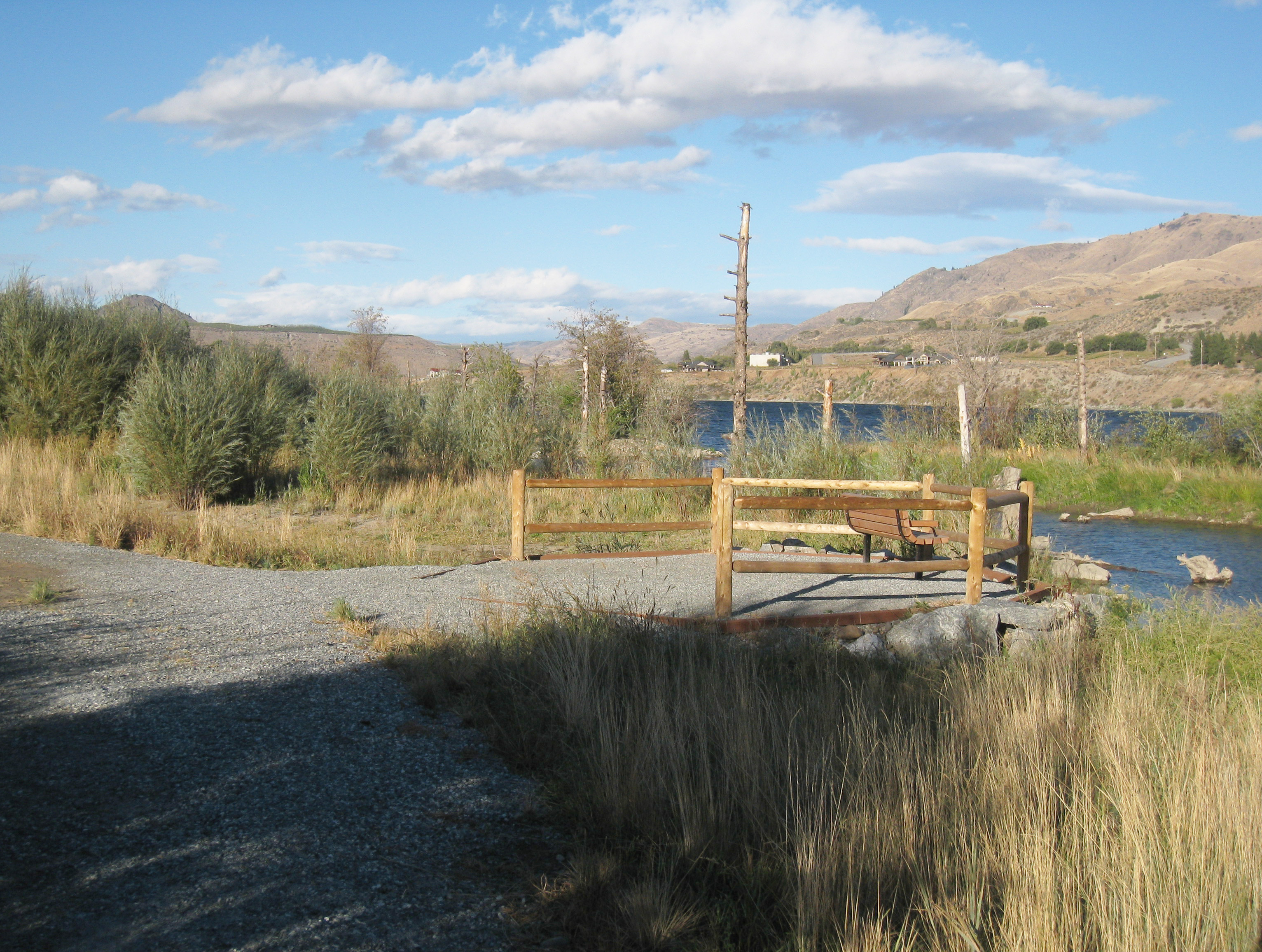
An accessible viewpoint and bench (Beebe Springs Natural Area, near Chelan, WA)
The webinar format made it easy for us to learn about these updates- we simply gathered in our conference room and listened in, which made it possible for us to discuss what we were learningwith each other and how these guidelines will shape future projects.
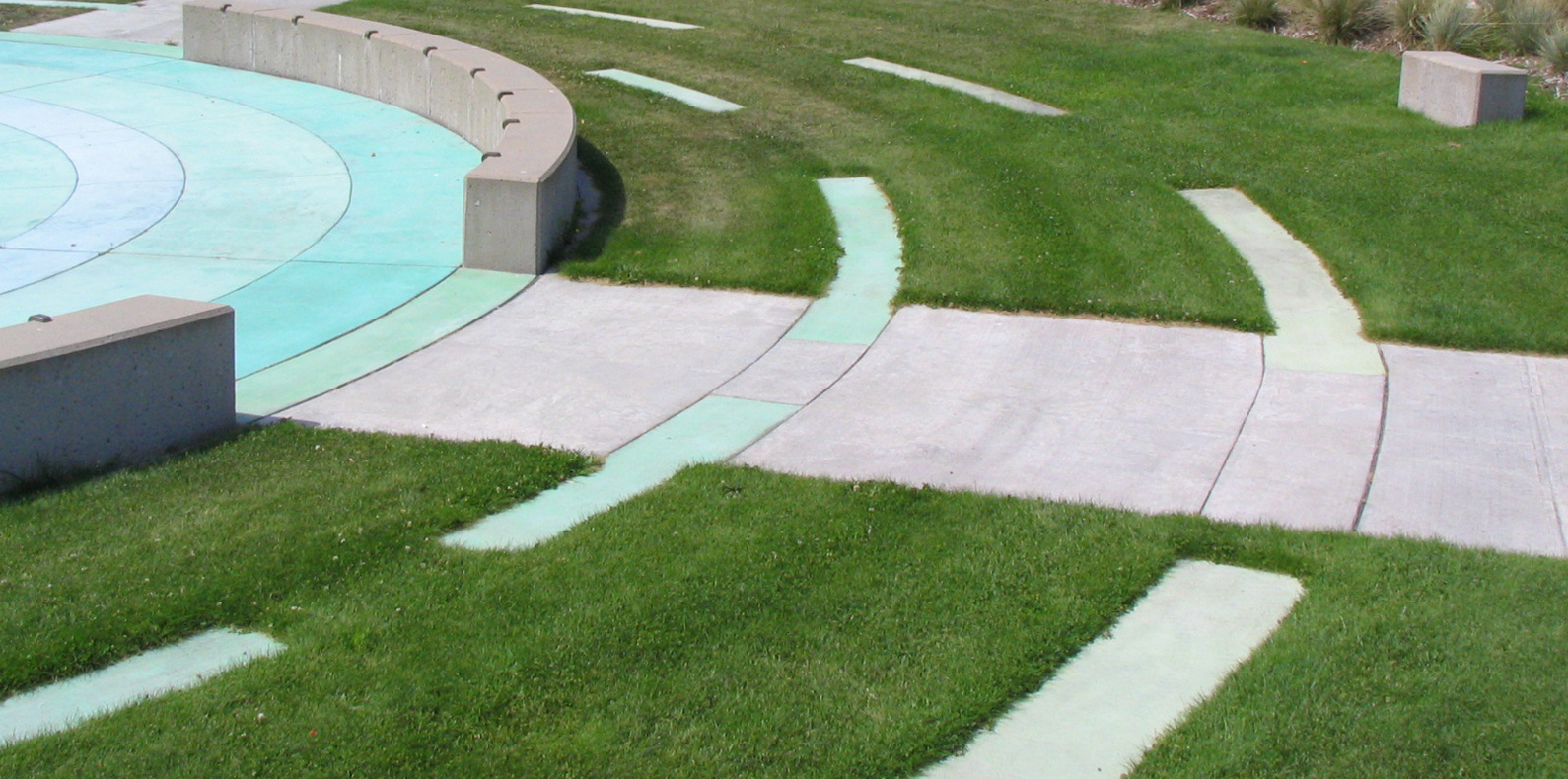
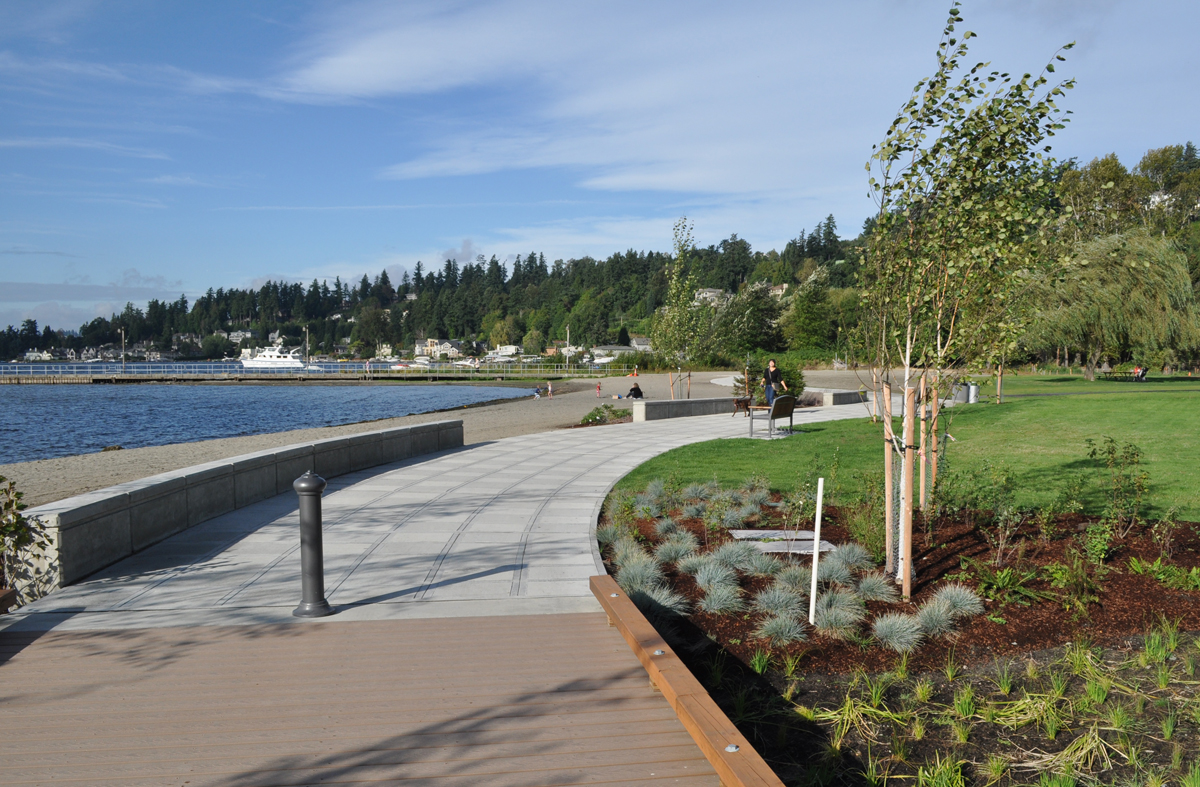
A serpentine path often reduces the gradient, improving accessibility (Don Morse Park, Chelan, WA)
The new guidelines are a great way to enhance accessibility for all.
The full report is available at this link. The ABA PowerPoint show may be found here.
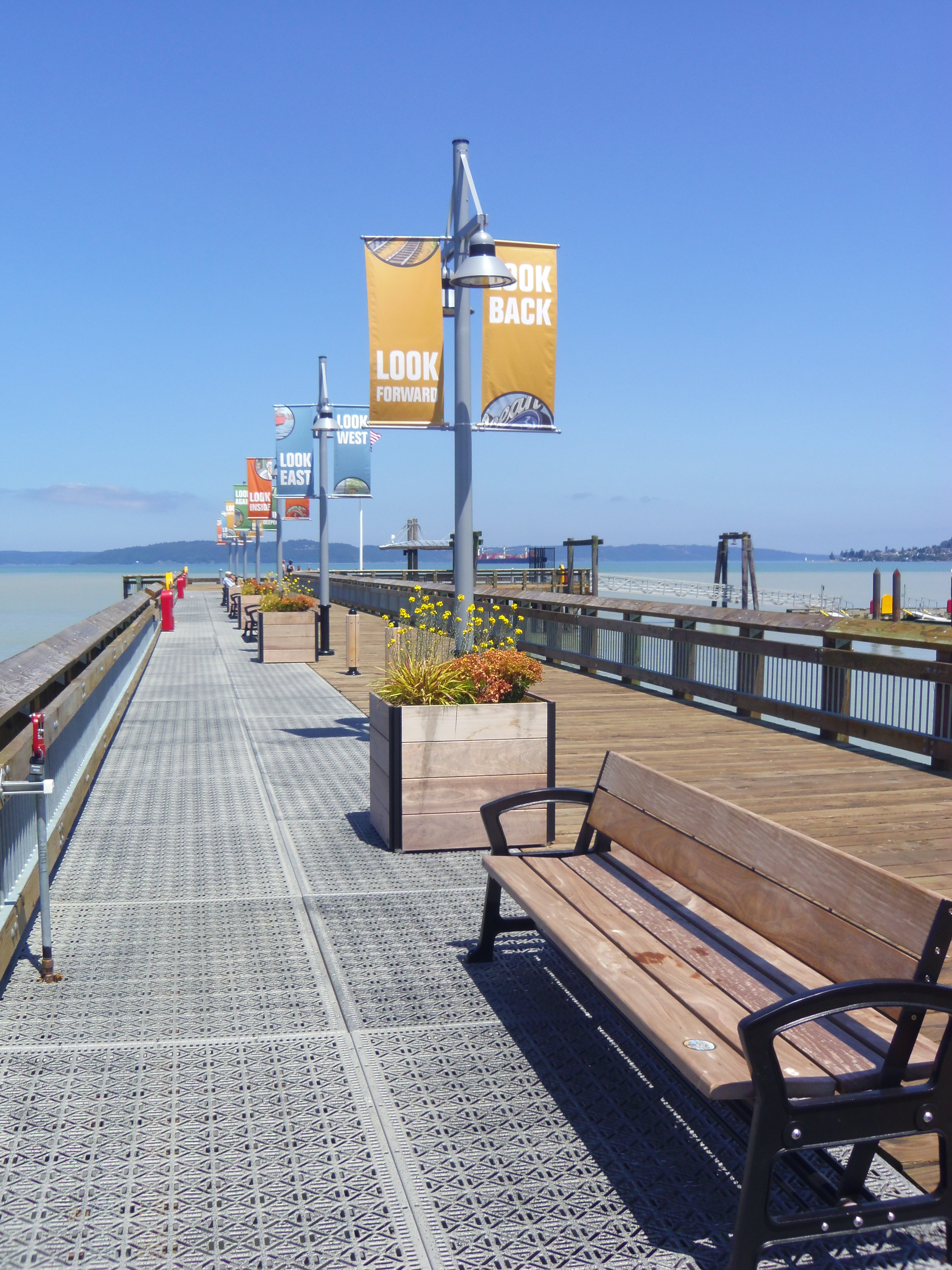
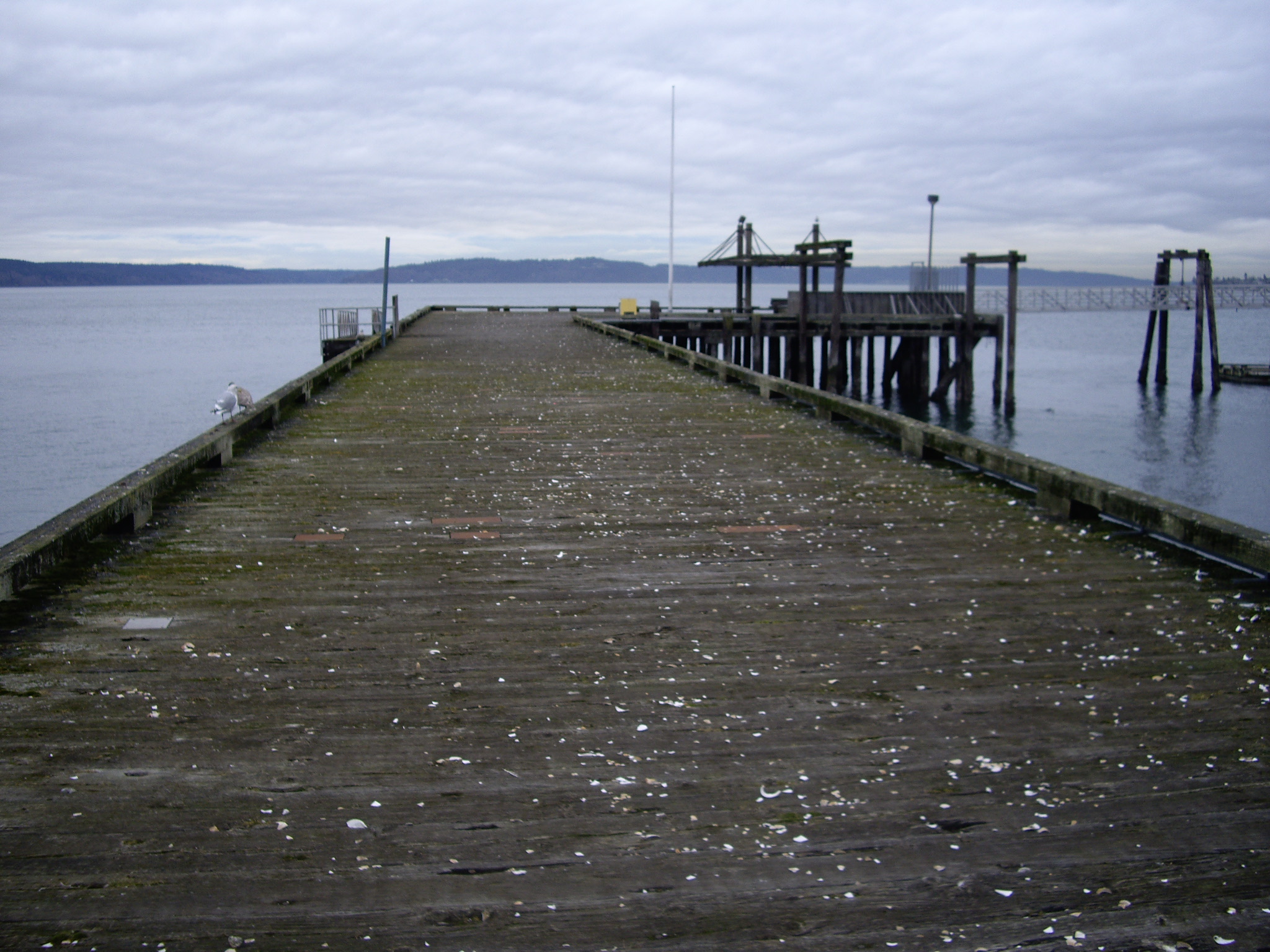
Old Town Dock after Re-creationBefore restoration, the dock was unsafe and closed to the public.
by Mike Perfetti
Public parks and outdoor civic spaces provide many day-to-day and long-term civic and environmental functions. Park creation and re-creation require coordination and collaboration between designers and stakeholders in order to create a design that reflects the desires, trends, and economics of a community at a specific point in time. As well, the design must respect the past while responding to perceived environmental factors. Communities inevitably change and as time grinds away we are tasked with recreating the place. If we do it right, the place will be renewed and become beloved in new ways.
Understanding and Appreciating the Past
Many parks are rich with histories treasured by their communities. These stories are vital to a community’s identity.
Like buildings, outdoor public spaces can be historic, and are often guarded by the people who love them. For landscape architects, it’s important to engage with the community and project stakeholders and to demonstrate an understanding and appreciation of the past. We must also demonstrate the ability to implement changes that preserve, and ideally, enrich that history.
What are some of today’s cultural trends and environmental factors that affect parks? There are many. Some examples include
The popularity of dog-ownership
Urban Densification
Cultural diversity
Sea level rise
Old Town Dock
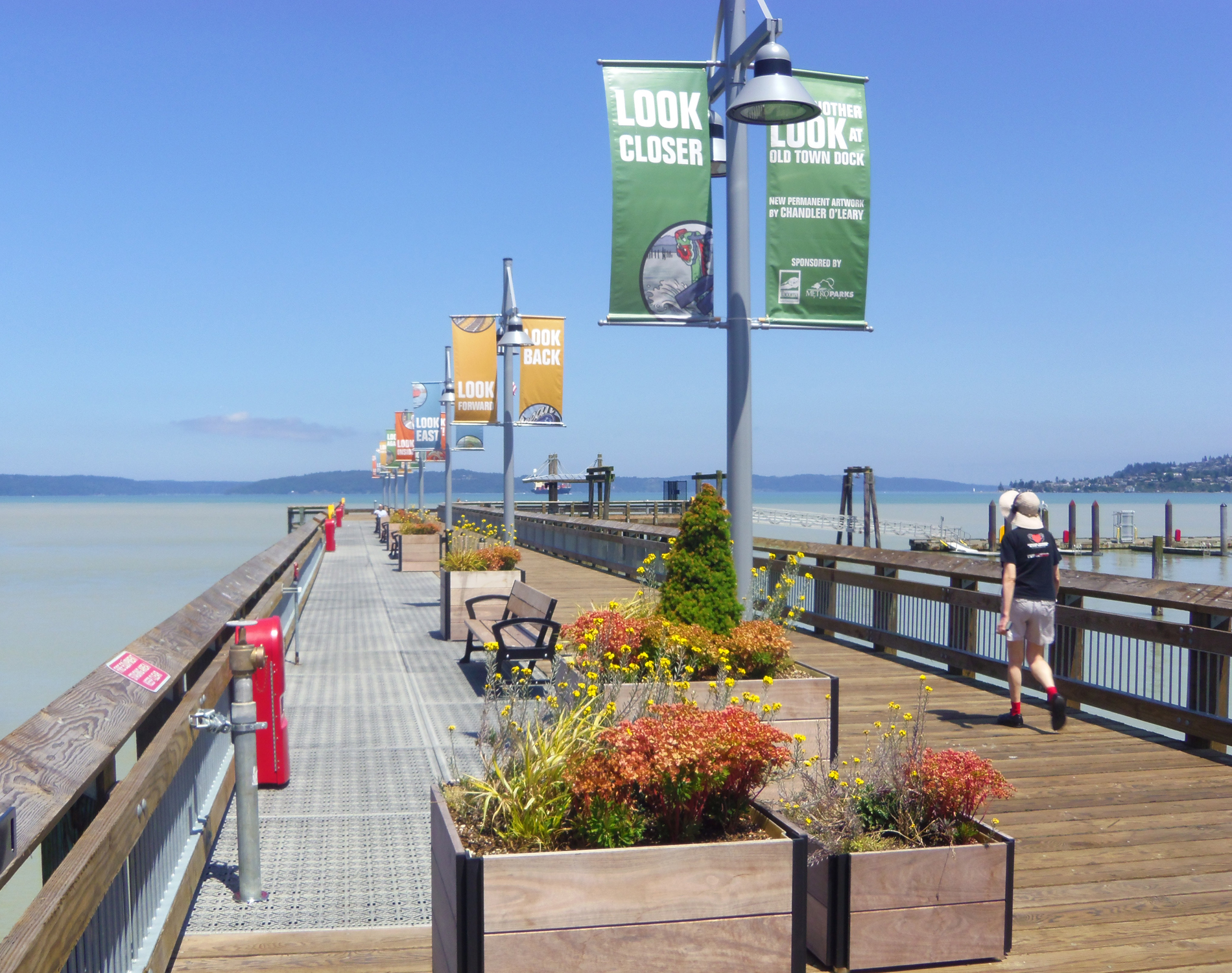
Old Town Dock reopened to the public in May.
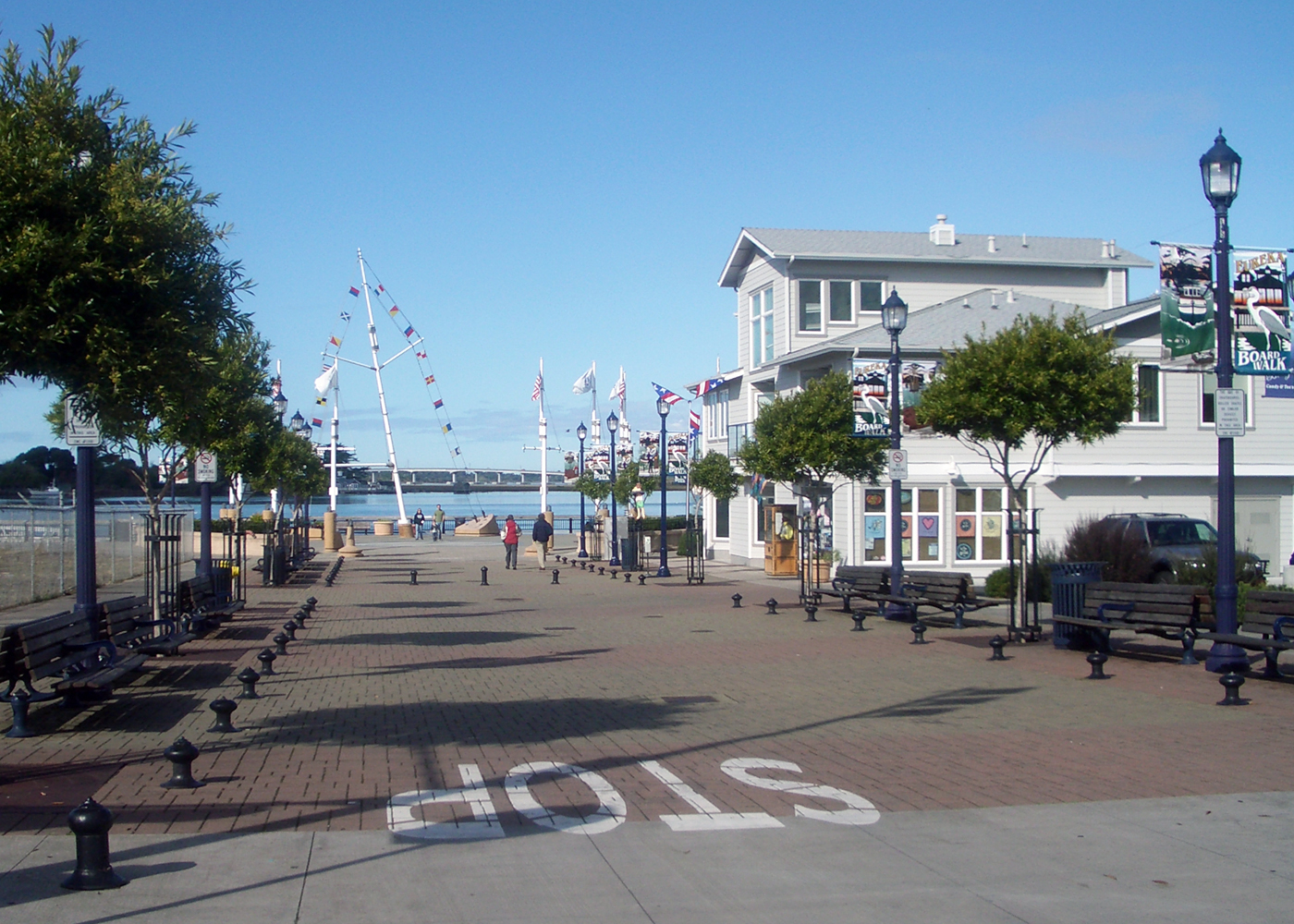
J.A. Brennan Associates has worked on several projects recently that featured the redesign of historically significant civic spaces. One project is Tacoma’s Old Town Dock. Located on the shores of Commencement Bay, the dock is an important place where people of the historic Old Town neighborhood connect with the water. Old Town was once a fishing village, which eventually grew into part of Tacoma’s industrial waterfront. Old Town Dock was built in 1873 and served the shipping industry until operations moved. The dock fell into disrepair, was condemned, then rebuilt in 1953 and opened to public use with the additions of railings, benches, lighting, a restroom, shelter, and artificial reef. As Tacoma’s Ruston Way waterfront was changing from industrial use to recreational use, the dock became a popular public space, but was closed in 2008 after it was determined to be unsafe.
Working with Owners and Stakeholders
The City hired Reid Middleton, with J.A. Brennan, to design the dock renovation and restore the vital public space. The design team worked closely with the Old Town Dock Citizen Advisory Group to understand the history of the dock and the Old Town Neighborhood. We incorporated many of the advisory group’s recommendations within the context of the Ruston Way waterfront, while accommodating the City’s project budget.
The advisory group sought to recall the character of the older dock and relate to its setting in the Old Town neighborhood. The group wanted to provide day-use moorage and launching for human-powered watercraft, opportunities for water access and enjoyment, and strengthen the connection between the dock and Old Town.
Re-creation
The re-created dock maintains its original footprint. For the design of the dock, floats, and upland area, we tried to achieve the advisory group’s goals through the selection of appropriate materials, namely wood on the dock, and brick onshore. Both materials relate the character of the dock and neighborhood. Double mast-arm lights, designed by Harbor Power Engineering in collaboration with J.A. Brennan, recall the old wharf’s design standards.
The old wood decking was generally in disrepair but some wood was in good condition, allowing for adaptive reuse. This salvaged wood was laid in a distinctive pattern beneath the viewing pavilion. Originally a wood-shingled roof structure, the pavilion was restored with a standing-seam metal roof and rebuilt to recall the original pavilion.
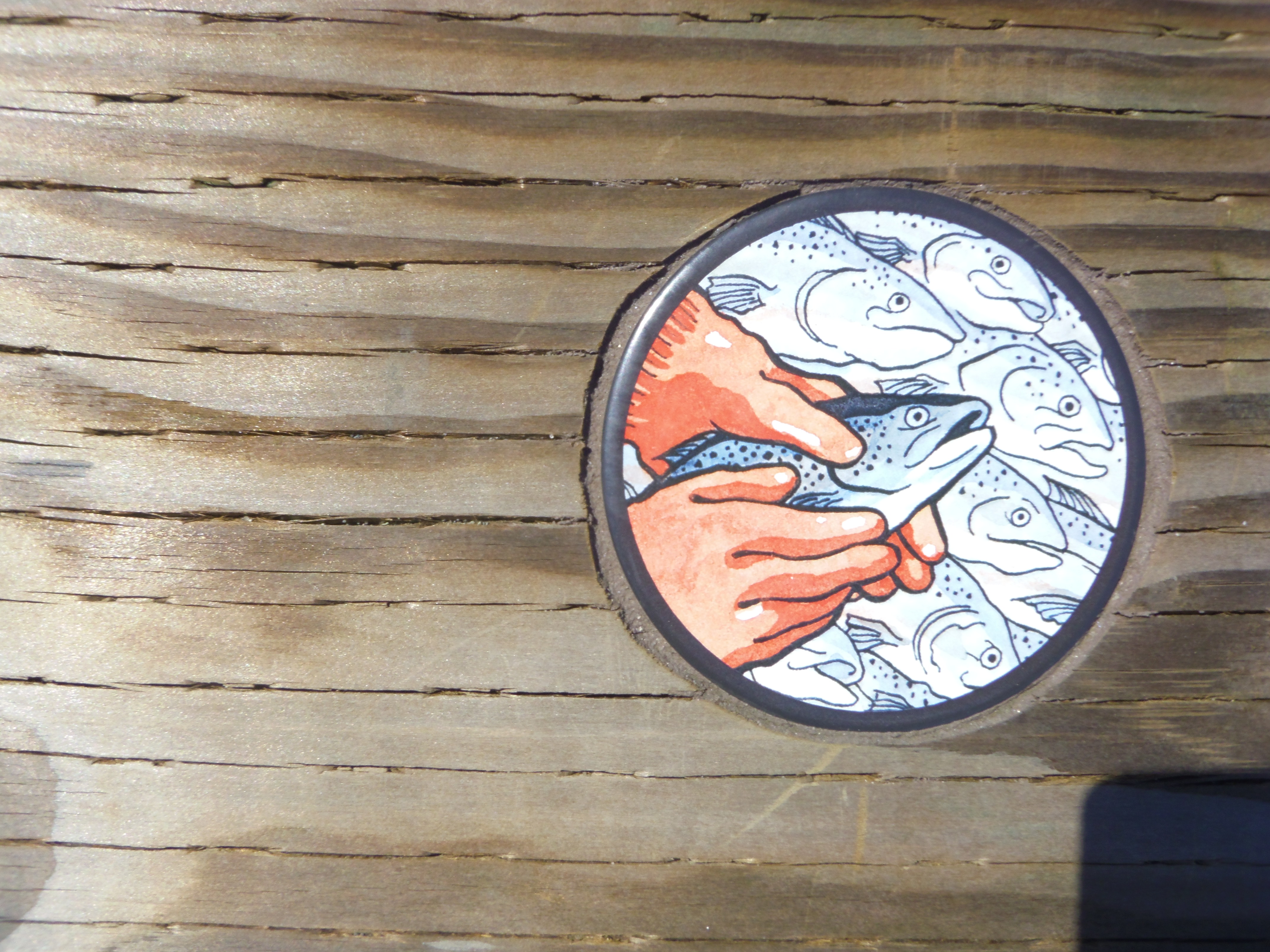
“Droplets” — a series of 9″ to 12” circular porcelain enamel art installations, by Chandler O’ Leary — are dispersed throughout the site and depict past and present scenes of Tacoma’s waterfront. The installation adds intrigue and contributes to the sense of place, providing dock visitors with a subtle and beautiful journey through time.
The dock was renovated and reopened May 15, 2013. The design process was a successful collaboration between designer and stakeholders, and the outcome reflects the needs of the community while enhancing the historic character of the place. Since its opening, Old Town Dock has been a smashing hit in Tacoma’s Old Town neighborhood, defining public space, expressing its history, and drawing people to the water.
These were the choices the City of Kent had when considering improvements to the Boeing Levee at Three Friends Fishing Hole Park. As the city neared completion of flood wall design for the Boeing Levee, inventive thinkers proposed adding art to the wall’s face along the span of the park.
Six weeks of design time
We were brought into the project as the structural engineering design of the flood-wall levees was nearing completion; a short time remained until the project would be going out to bid. The short time-frame required quick thinking and an organized process. Our design team’s familiarity with designing aesthetic treatments for walls and bridges allowed us to go from zero to fully developed construction drawings for wall textures and surface treatments in the allotted time.
An initial brainstorming session with the client led our designers to develop two alternative themes. A nature-based Green River Ecology theme could honor the ecological story of the river. The second potential theme employed the history and geomorphology of the Green River Valley, from pristine river to agricultural and then modern-day industrial corridor. In either case, a part of the river’s story would be told for passers-by on the adjacent bike trail, park visitors, and adjacent industrial landowners.
Working out the details
Multiple material and treatment possibilities were discussed for the expression of the considered themes on the wall face. Options included
Standard and custom formliners, which would create bas relief sculptural elements integral to the wall face
Sandblasted aggregate reveal
Sawcut patterns
Glass fiber reinforced concrete
Green wall
In the end, cost was a major consideration. Research made it clear that the best way forward would be with custom formliners.
Ecological Story
With cost information and design alternative sketches in hand, our client opted to tell the ecological story. Our designers got to work developing a story board with appropriate images. Meetings with the client further refined the initial choices and allowed us to move forward with detail design of the custom formliners required to make this vision a reality. We generated CAD drawings that went into the bid package on time and on budget.
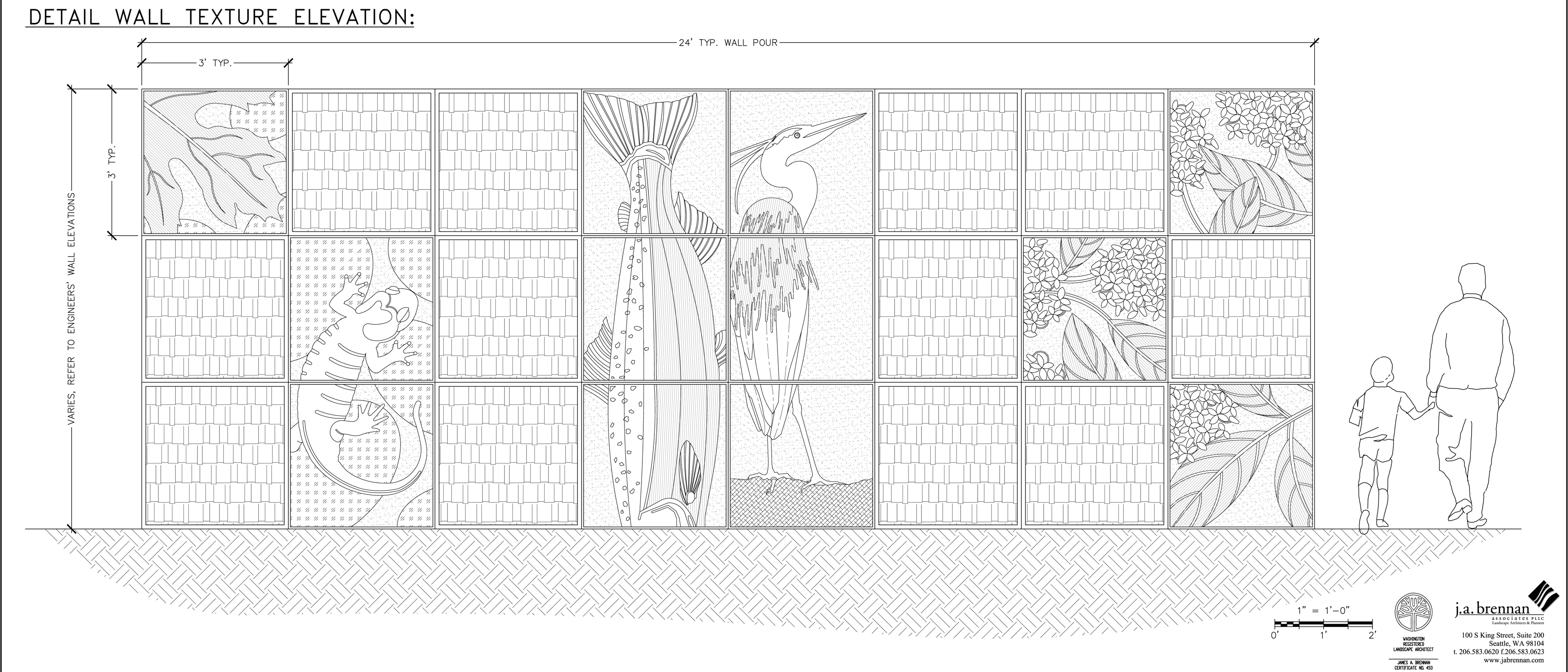
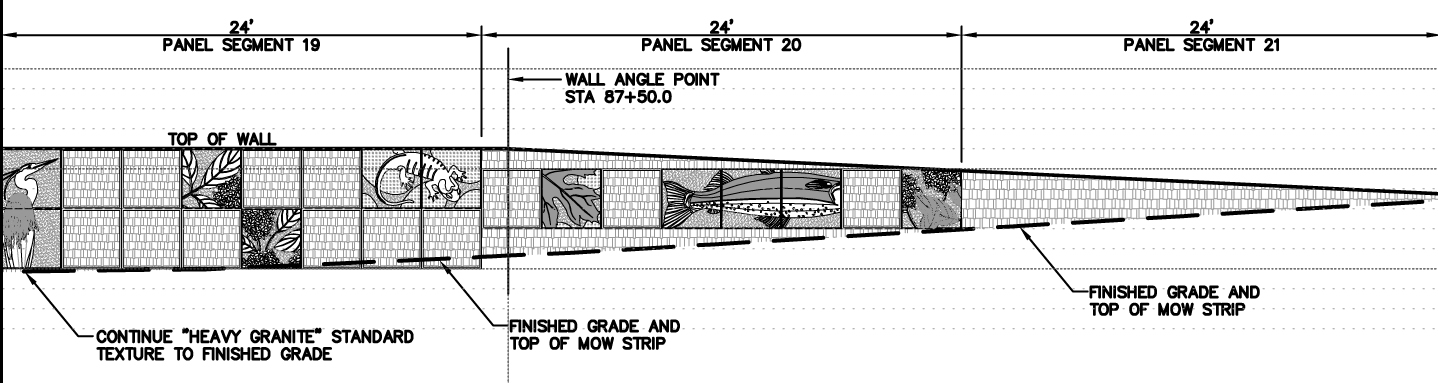
The final design celebrates the Green River with shapes, textures, and colors that are stylized representations of the life forms within the river system. Recognizable images were selected: salmon, salamander, maple leaf, redtwig dogwood, and blue heron.
Custom formliner panels are 3’x3’, which are easily multiplied to cover the typical wall heights (front and back). The panels depict the wildlife/vegetation in detail surrounded with a subtle background texture. Panels are designed so that they can be repeated in differing sequences and orientations, interspersed with standard formliner panels, thereby providing a rich and varying experience as one moves along the length of the wall.
In the end, our understanding of the aesthetic design process helped guide the client through a quick decision making process and resulted in a design that tells a place-sensitive story, turns a wall into art and enhances the park experience for all visitors.
The $2.65 million levee project is scheduled to begin construction mid August.
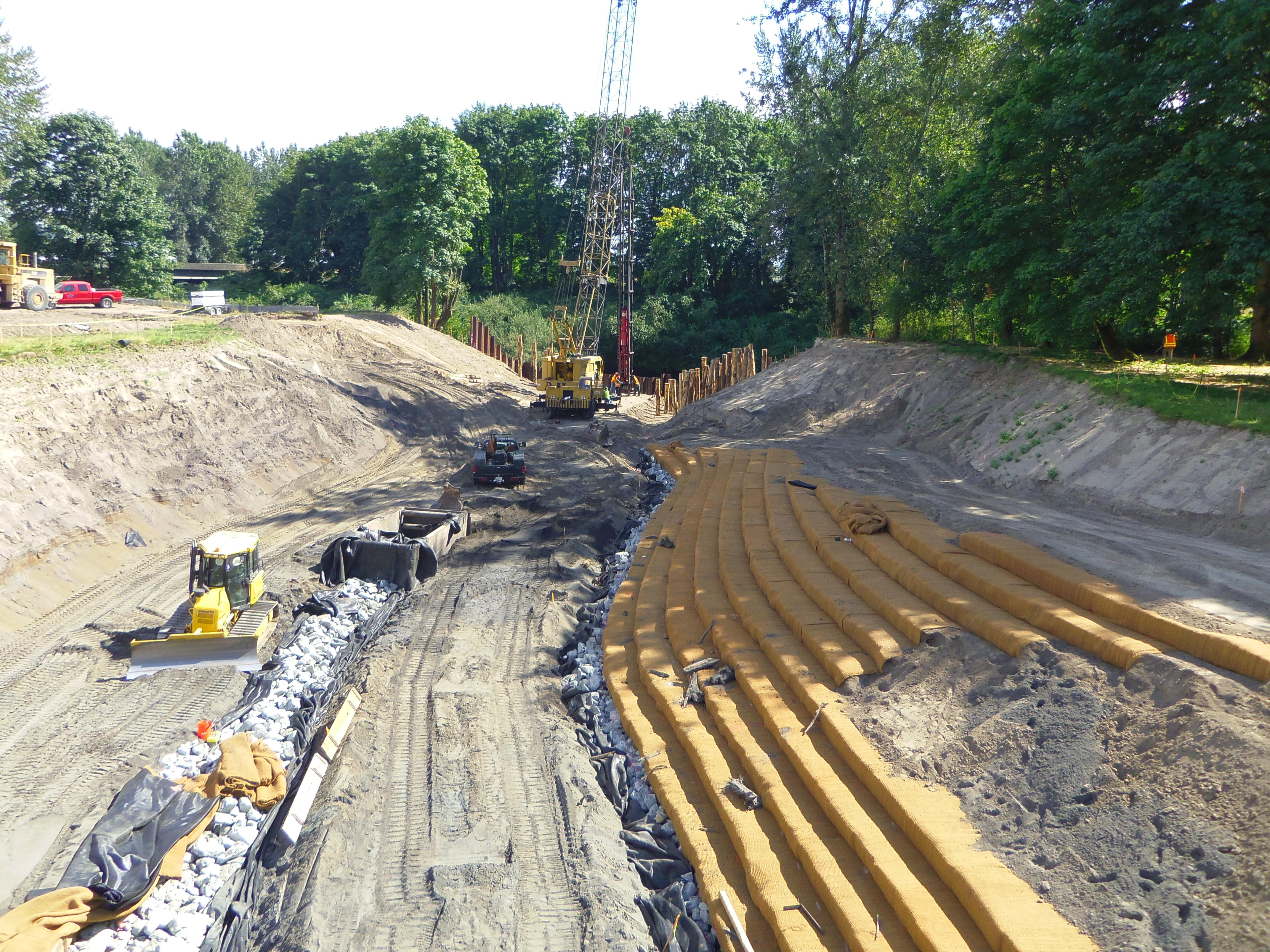
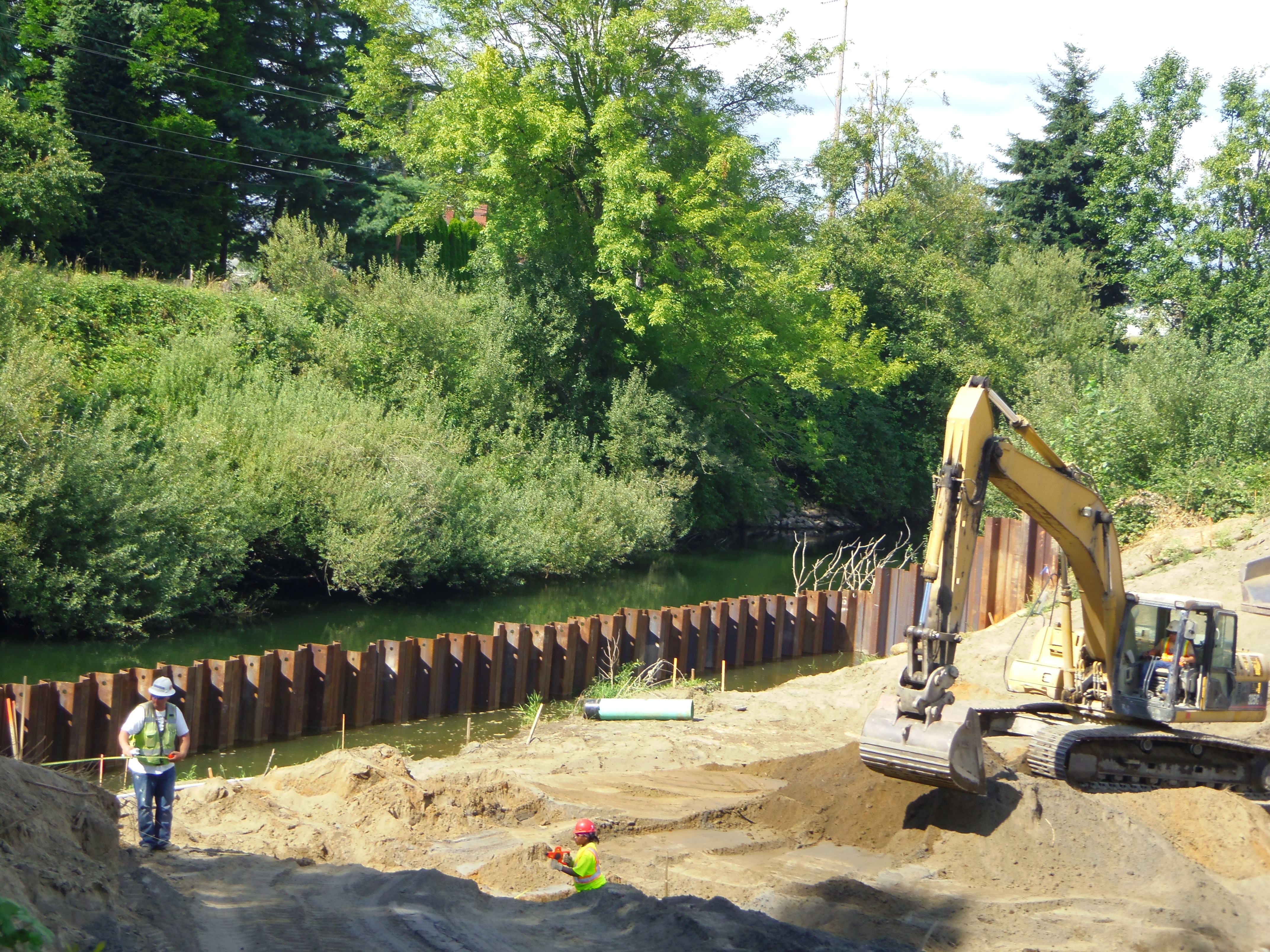
J.A. Brennan is part of a consultant team working with the City of Kent and the U.S. Army Corps of Engineers to create a habitat enhancement channel on the Green River at Riverview Park. In this photo, the 25’-deep side channel excavation is nearly complete.
The contractor, Performance Systems, Inc., is busily working to complete the excavation and shore protection. Excavators, rollers and dump trucks criss-cross the site moving and grading soil and fill materials.
Looking up-channel, a crane installs coffer dam piles. In the foreground, soil lifts – soil wrapped in geotextile fabric – are installed. The lifts will be planted with both container plants and live stakes. Tetra Tech, Inc., the prime consultant and project engineer, is providing a variety of bio-engineering solutions to create a naturalistic and protected channel bank.
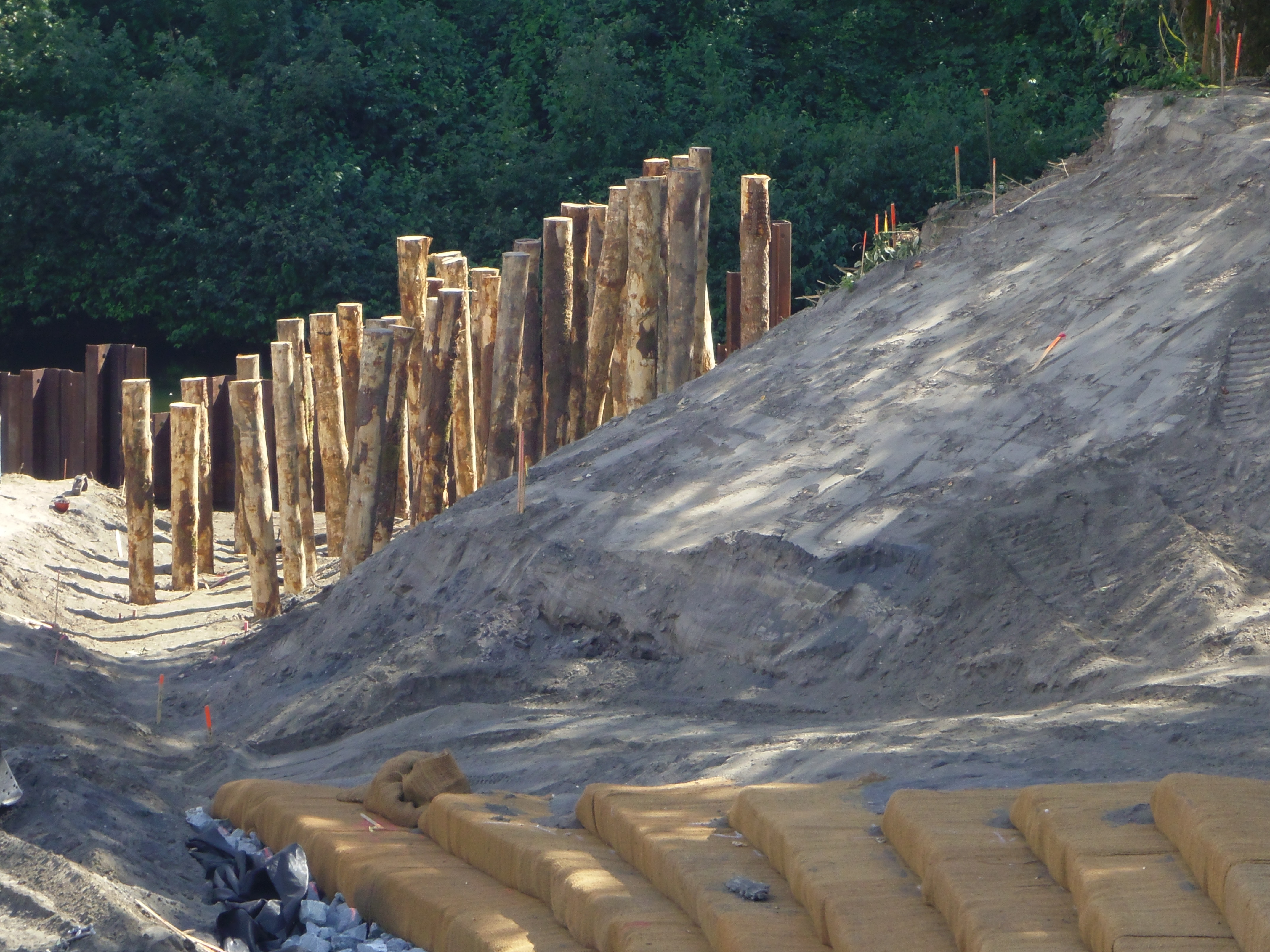
The foundation of the channel inlet constructed log jam structure is in place. This sturdy bio-engineering solution by Tetra Tech, Inc. is the first line of defense against potentially high-velocity, high-volume storm flows surging down the Green River. Live stake plants will provide further erosion control, and help naturalize the constructed log jam.
The approximately 125’ long pedestrian bridge is in place. Riverview Park visitors will gain an exceptional view of the new side channel, and access to the island (on the right) between the channel and the Green River. A loop path around the island will meander through meadow and a mature Cottonwood canopy. Native plant restoration along the Green River banks will enhance the existing native riparian corridor.
Looking at the channel outlet, you can see the coffer dam. An excavator-operator continues to dig out this area to reach channel bottom grades. PSI continuously dewaters the area behind the coffer dam to keep working conditions nice and dry.
For more information see the Seattle District US Army Corps of Engineers’ webpage.
Park use is up substantially and visitors are having a great experience now that the bulkhead has been buried and the park has a beach designed by the J.A. Brennan Associates team. Next spring native aspen trees and other vegetation will be added to create shade, beautify the site, and enhance the riparian habitat.
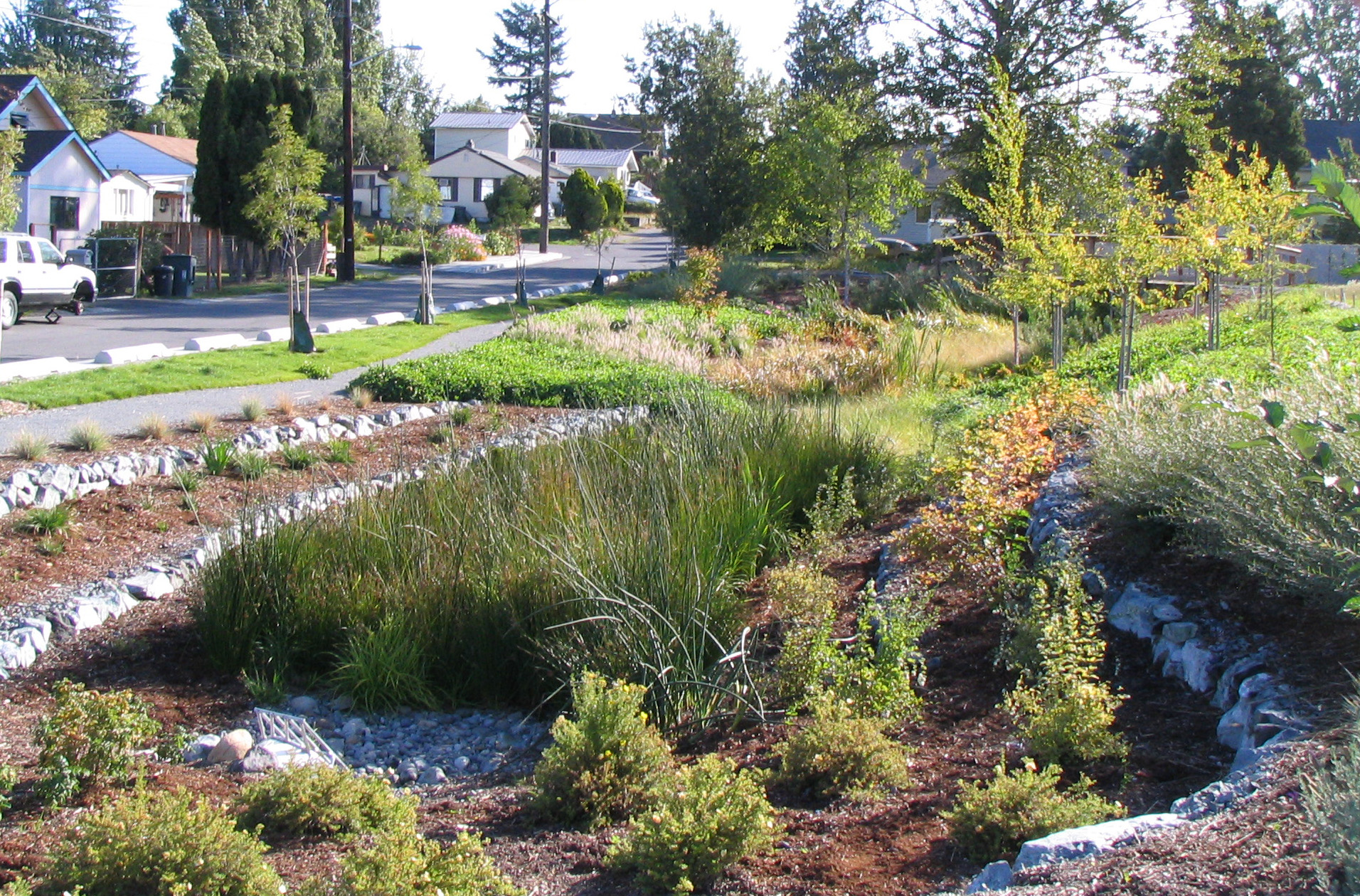
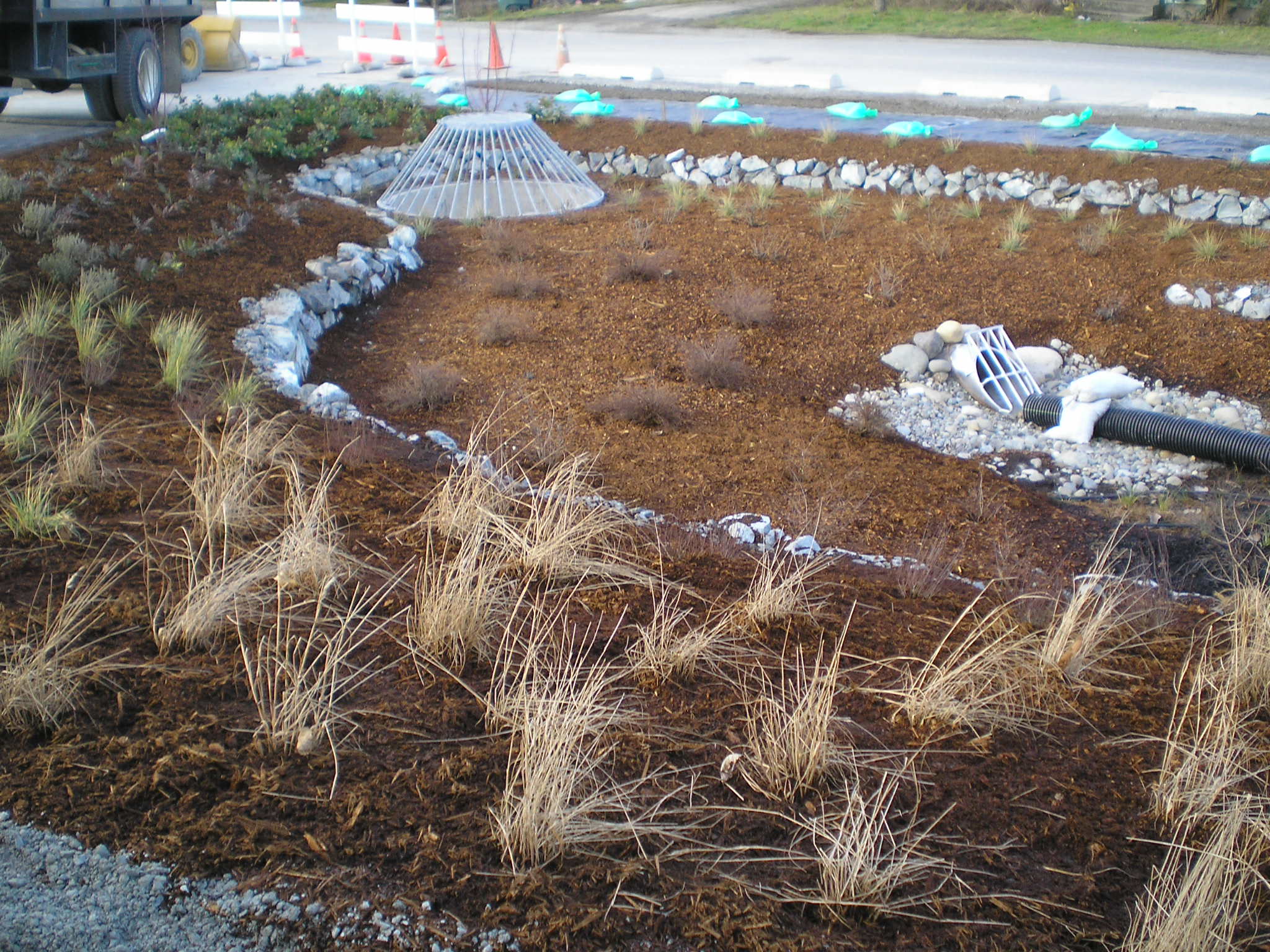
In 2008-2009 J.A. Brennan provided design services for a bio-filtration drainage system at Marra-Desimone Park. We collaborated with Davido Consulting Group to improve roadway drainage in this South Park neighborhood for Seattle Public Utilities (SPU). For more background info see here.
We return to the site two to three times a year to evaluate the performance of the plants and to see how the system as a whole is functioning. The focus of this article will be about plant selection and the success of certain species. I’ve kept the discussion to a select few plants as there is a diverse plant palette and I could get carried away…
Performance
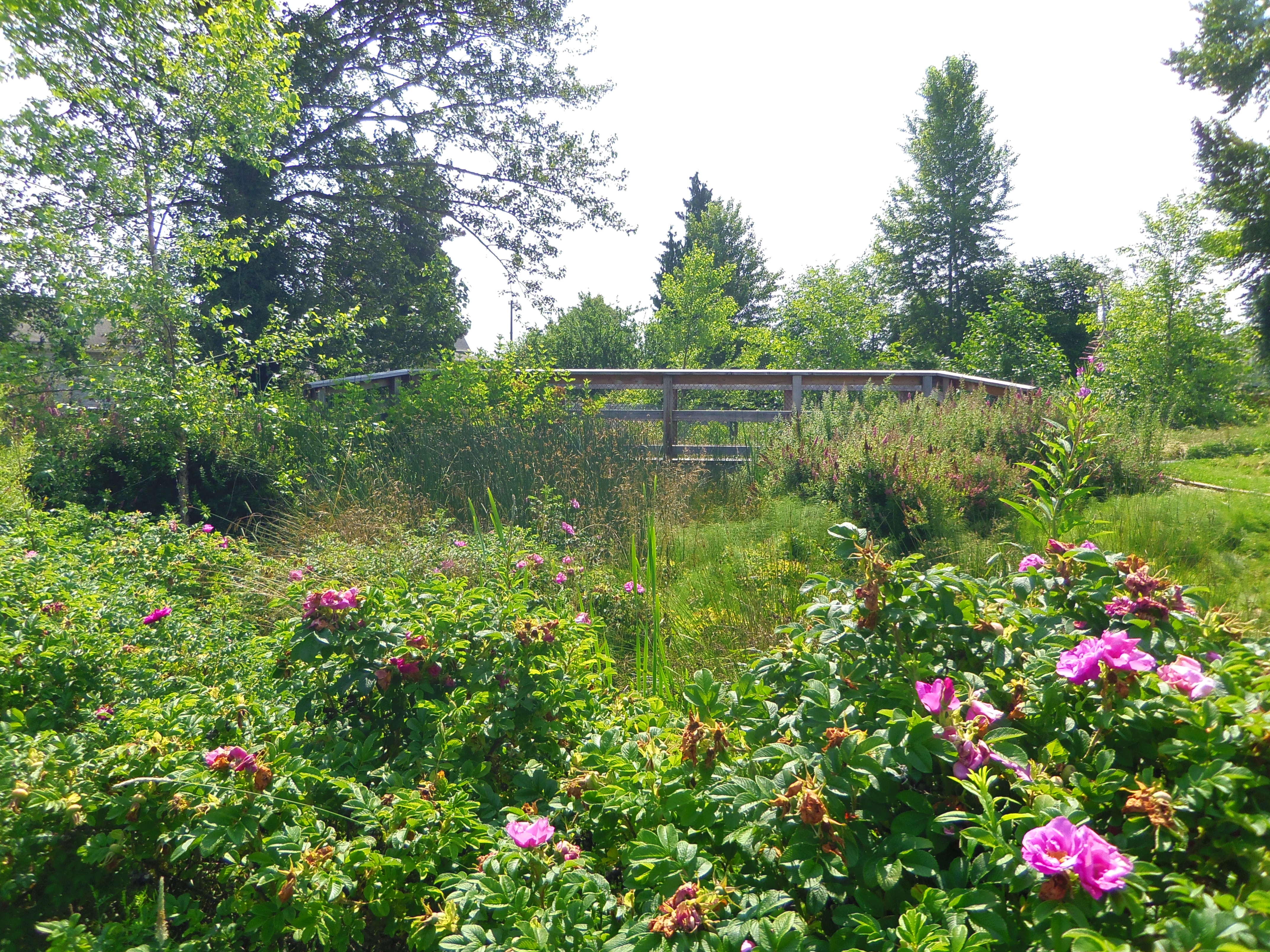
With the early onset of summer I visited the site with my co-worker Meghan to see how the system was faring. Given that the local weather personalities had recently described the season as Junuary due to unseasonably wet and cool weather in our region I was anticipating the plants to only be performing at an O.K. level. To my pleasant surprise the majority of the plants looked robust, vigorous, lush, beautiful and healthy. (How many words can you use to describe a good looking plant!?)
Post Construction, September 2009
Plant Selection
During design we carefully selected emergent marsh species appropriate for the wet and dry conditions of the bio-filtration system. The upland plants reflect the context and character of the Marra Farm community garden and urban farm environment. A selection of native plants and fruiting ornamental plants were used to attract wildlife and suggest the farm quality of the site.
During construction, 2009
Seeds versus Plugs?
Plants were an expensive part of the project. During design, to meet the project’s budget, we made a decision to use a combination of seed and plugs in the bottom of the bio filtration swale. The combination of seed and plugs of emergent species reduced the quantity of emergent plugs required and provided some savings during construction. (Emergent plugs are more expensive than seeds).
I have to say after four years, it’s not possible to distinguish the areas that were seeded from the areas that were planted with plugs. The system as a whole appears to be performing well.
Performance
The emergent plants species doing particularly well are the Carex sp (sedge) and the Scirpus microcarpus (small fruited bulrush). Both are content and performing as planned.
Of the shrub species, Cornus sericea ‘Kelseyi’ (Kelsey dogwood) and Salix purpurea (Arctic willow) look wonderful.
We used a select few groundcover species. The one plant that is struggling and has had a high rate of loss is Mahonia nervosa (Low Oregon grape). The site may have been too exposed for this particular plant.
Overall the plants are performing quite well and the system as whole is performing as designed. There is little evidence of invasive plants like blackberry or reed canary grass.
The performance of the plants is a combination of the selection but also a measure of the ongoing maintenance by the owner, in this case SPU and Seattle Parks. It is my understating that SPU staff continues to maintain the swale.
In conclusion, with proper maintenance and irrigation, it is apparent, given the right conditions during the early establishment period, that the application of seed in combination with plugs appears to be a successful approach within this bio-filtration system.











 j.a.b.LOG