Appreciating My Local Greenbelt

By Drew Coombs, Landscape Architect
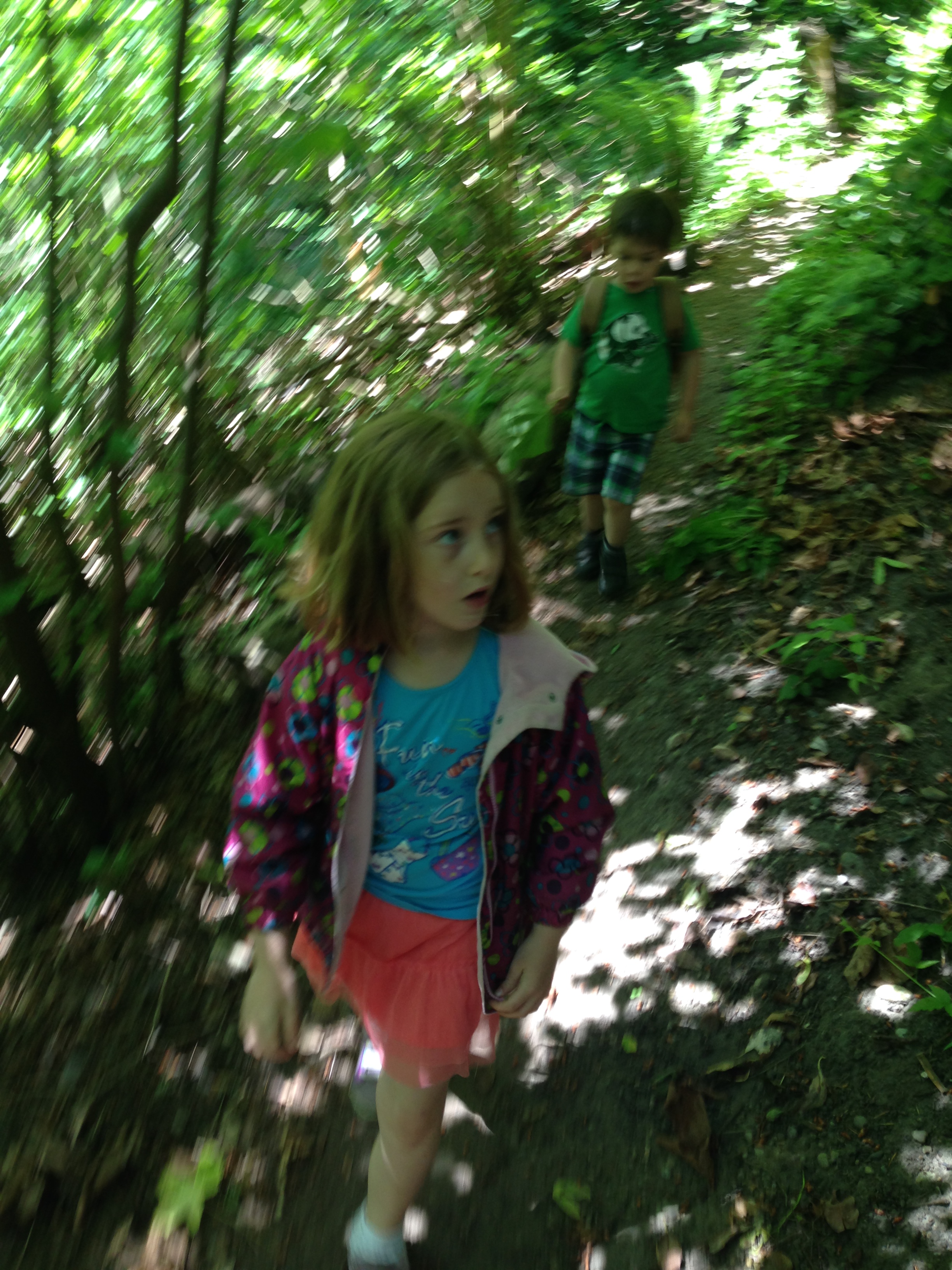
kids on trail 2

I live in the Shorewood neighborhood, on the southwest edge of Seattle at the Burien border.  We are fortunate that we have two or three locations within walking distance where we are able to access a peaceful natural forest setting.

Experiencing the Greenbelt

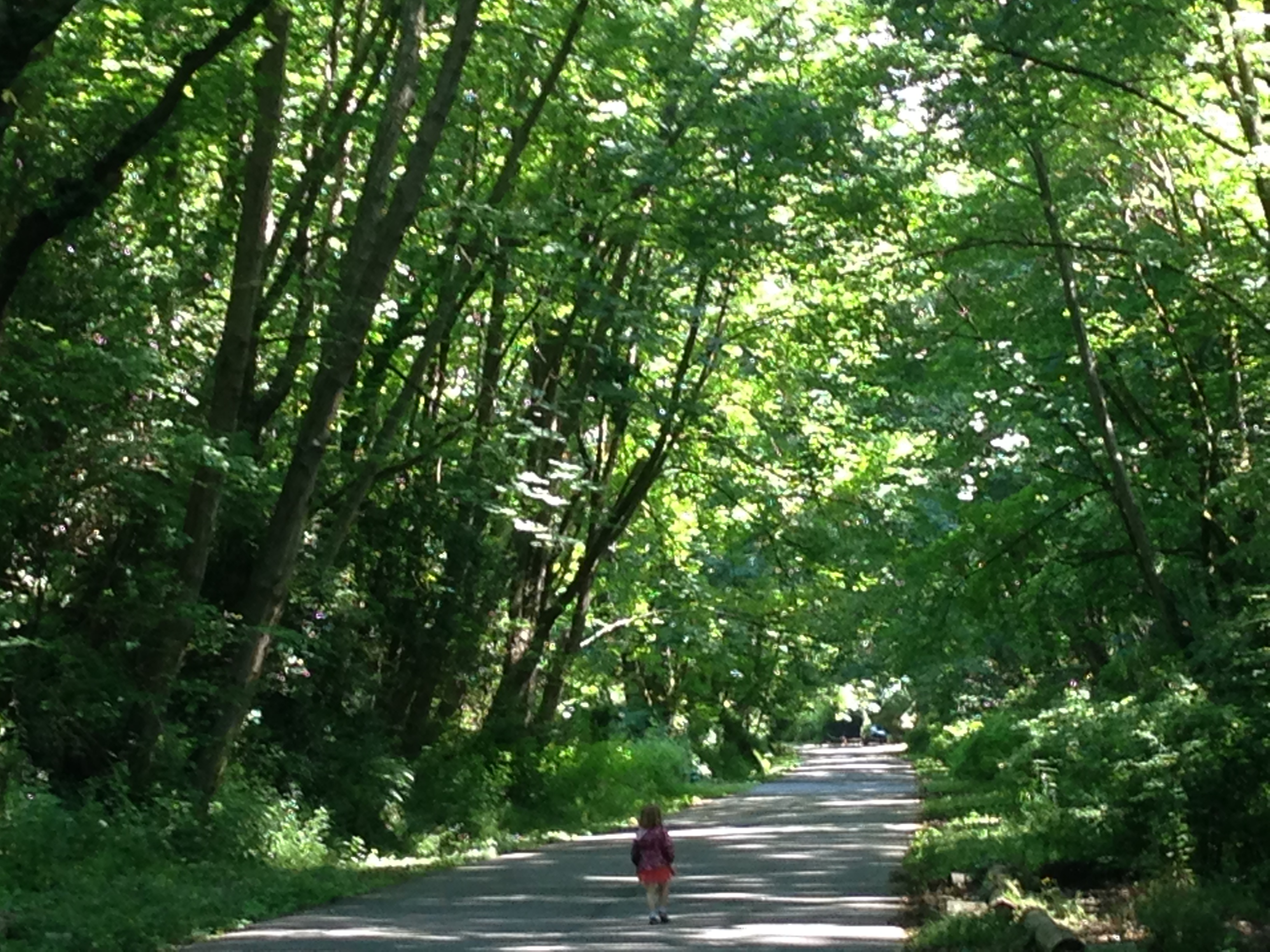
One of my favorite walks is down Seola Beach Drive and through Seola Park.  This a loop walk through the neighborhood and offers a variety of experiences, from a rural street condition to a nature trail through the forest canopy.  The trail provides framed views to the water and leads up to a small neighborhood park at the top of the ravine, perfect for picnicking or exploring a wonderful eucalyptus tree.
photo

As the two lane street descends towards the Puget Sound, it follows the bottom of a tree-covered ravine.  The canopy is primarily comprised of second growth alder, big leaf maple, madrona, and some conifers.   A seasonal stream runs along the edge of one side of the street.  At the low point of the ravine the sound of water flowing and gurgling is evident during the wet season, which adds to the special character of this setting.  There is a sense of being in a natural riparian corridor as one travels towards the water.

Invasion

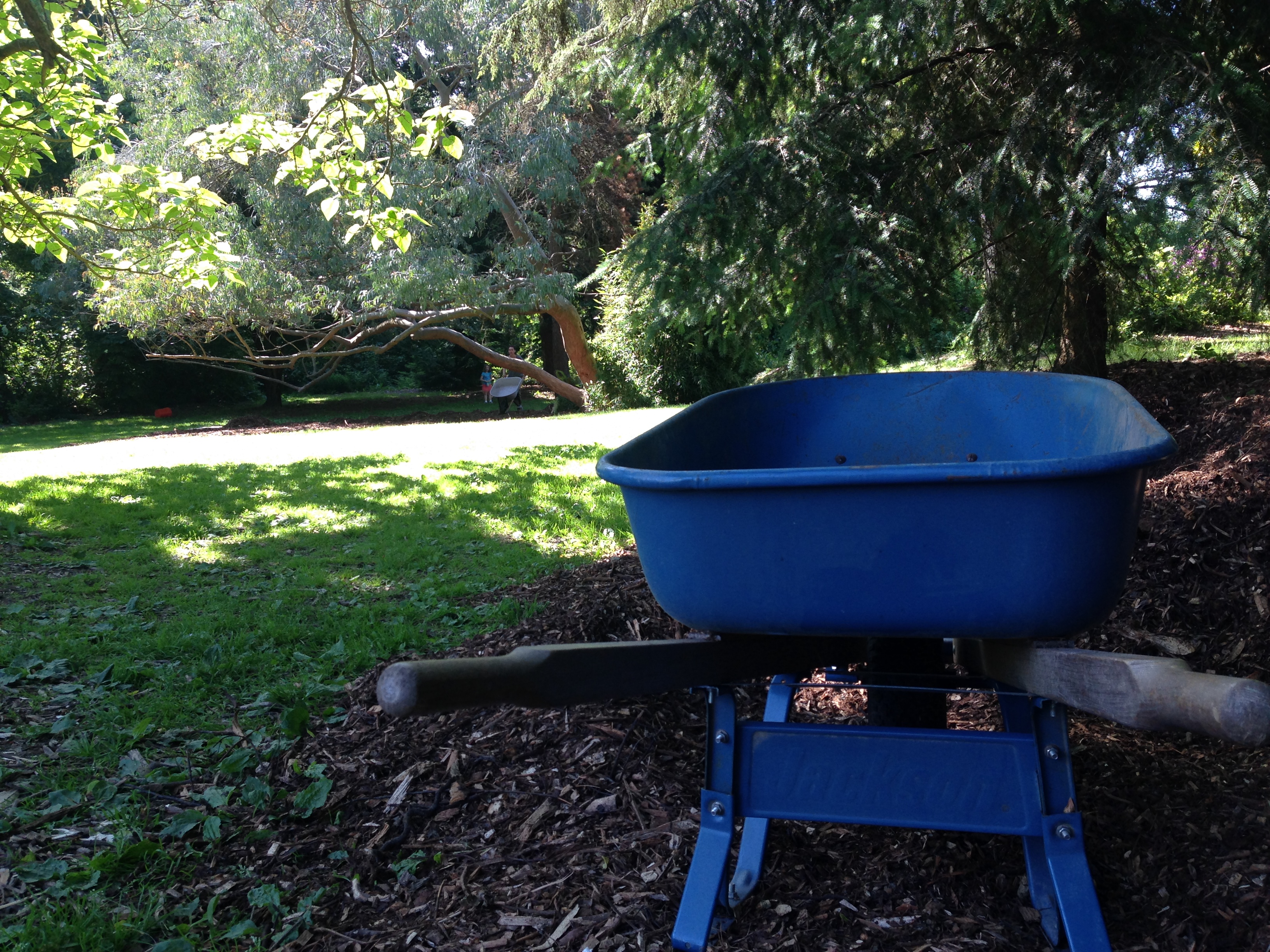
The rim of the ravine is lined with single family homes.  The landscape in the ravine is plagued with invasive plants.   The usual suspects: ivy, clematis, and blackberries are the invasive culprits.  These aggressive vines climb many of the trees, robbing them of nutrients and light, which can kill them.    wheelbarrow
Positive Changes

In recent walks we have started to notice positive changes in the health of the understory. The ivy is slowly being removed, and pockets of newly planted native species, mulched with bark, have popped up.  It’s apparent that action is being taken to reclaim the greenbelt.

Ava and James at work


Green Seattle Partnership

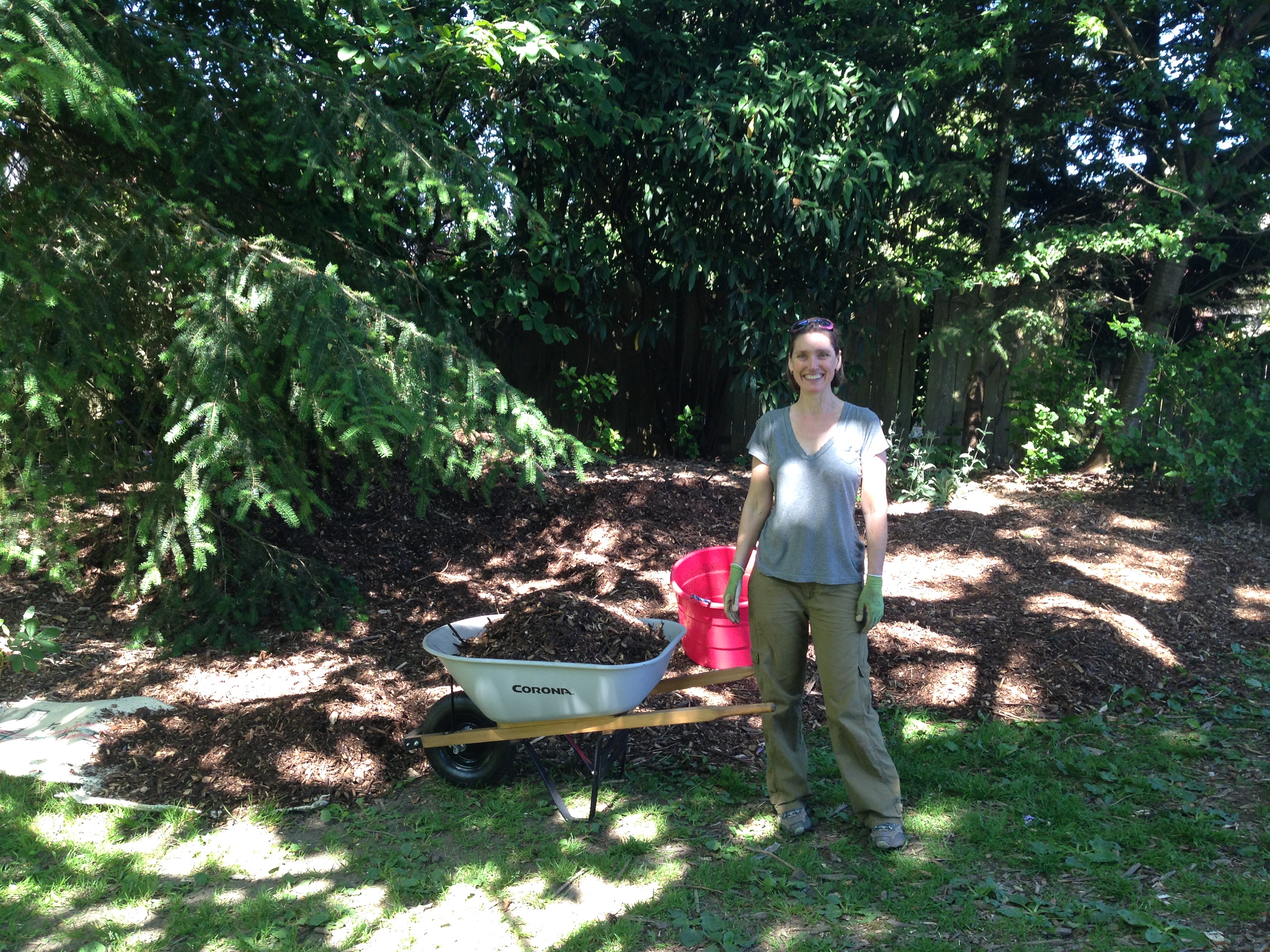
I have volunteered my time on a couple occasions to assist Seattle Parks and the Green Seattle Partnership with restoration work in the Seola corridor.  Most recently, I assisted our local forest steward by placing bark mulch in the pocket park at the top of the ravine.  In the Fall I helped plant native plants.

Teaching Green Values to My Kids

I have taken my kids (3 and 6) to help out during these volunteer projects.  At each event, they first have a high interest in assisting, but after an hour and a half, boredom does set in.  Of course, my productivity is impacted, but the tradeoff is acceptable to me.   The idea of instilling community service values and showing the kids firsthand how to preserve and enhance an urban forest is important to me as a landscape architect and a parent.
forest steward

I want to acknowledge the efforts of Seattle’s forest stewards.  Without them, Seattle would be a less green place.


Bike to Work Month Summary

photo 2ps

We had fun riding with the rest of Seattle’s bicyclists in May to complete the Bike to Work Commute Challenge.

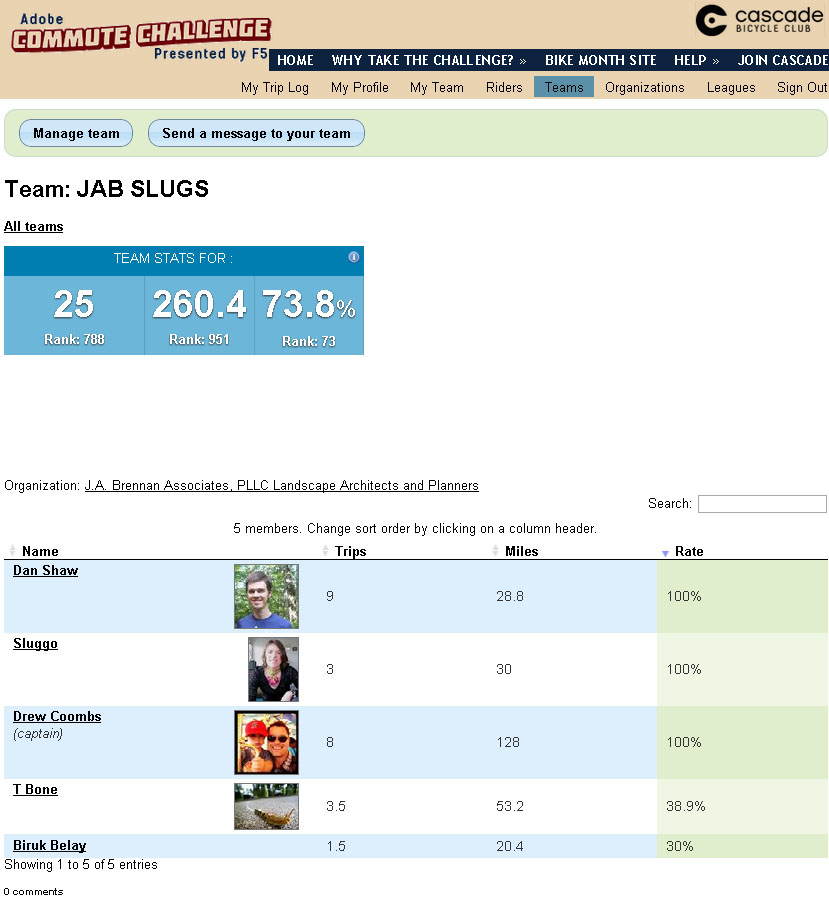
Our team of five completed a total of 637.2 miles through the month.  Bikers rode to Pioneer Square from White Center, the Central District, Ravenna, Wallingford, and Greenwood.

Thanks to the JAB Slugs for all your efforts AND for logging your miles.  Thanks also to the Cascade Bicycle Club for organizing this event in the Seattle Area.

We’ll keep biking on.

industry scenepsmeterps

Facilities and Parks Spotlight Award

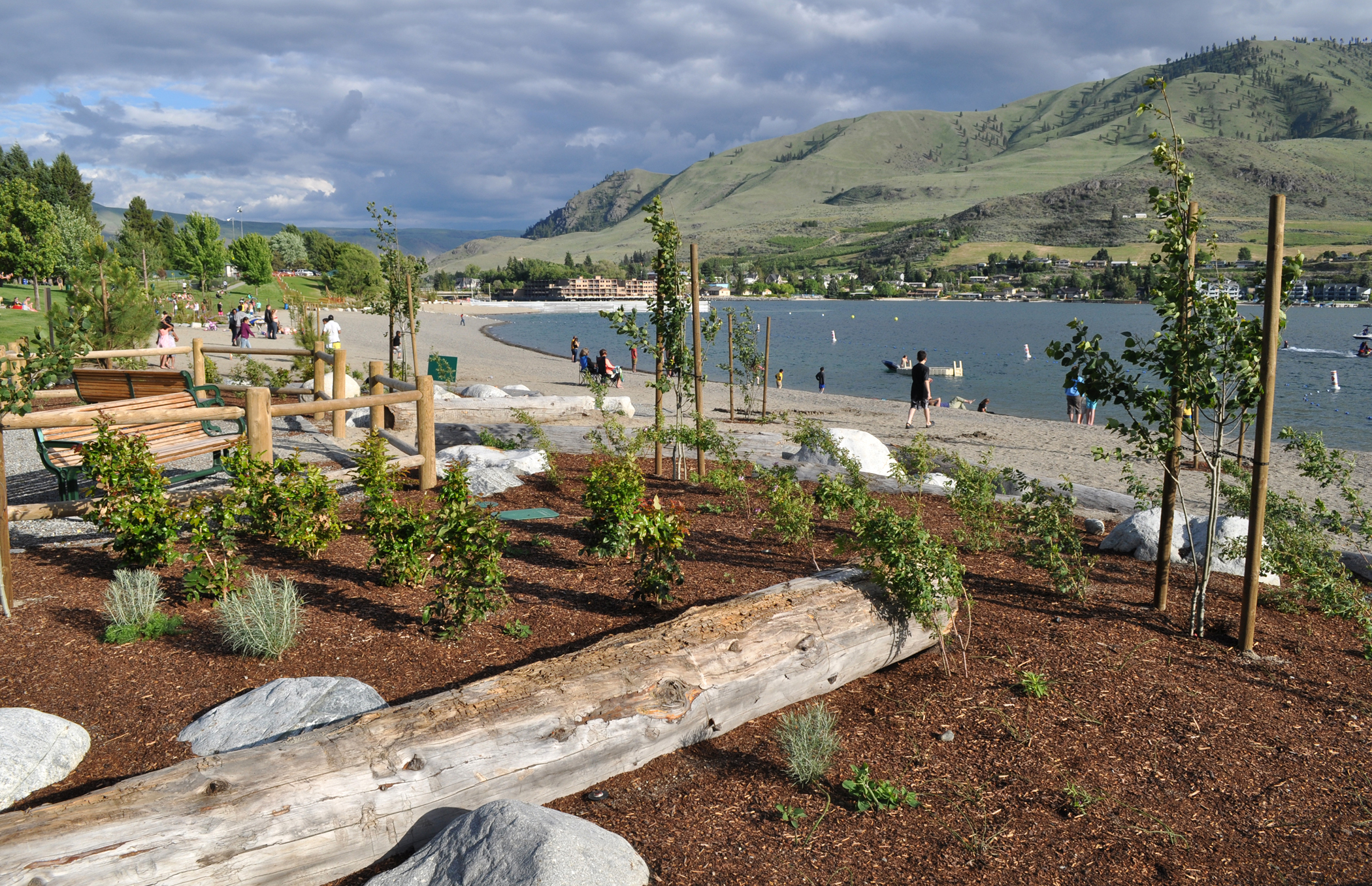
Don Morse Park_20130726_Phase 1 Post Construction_0136

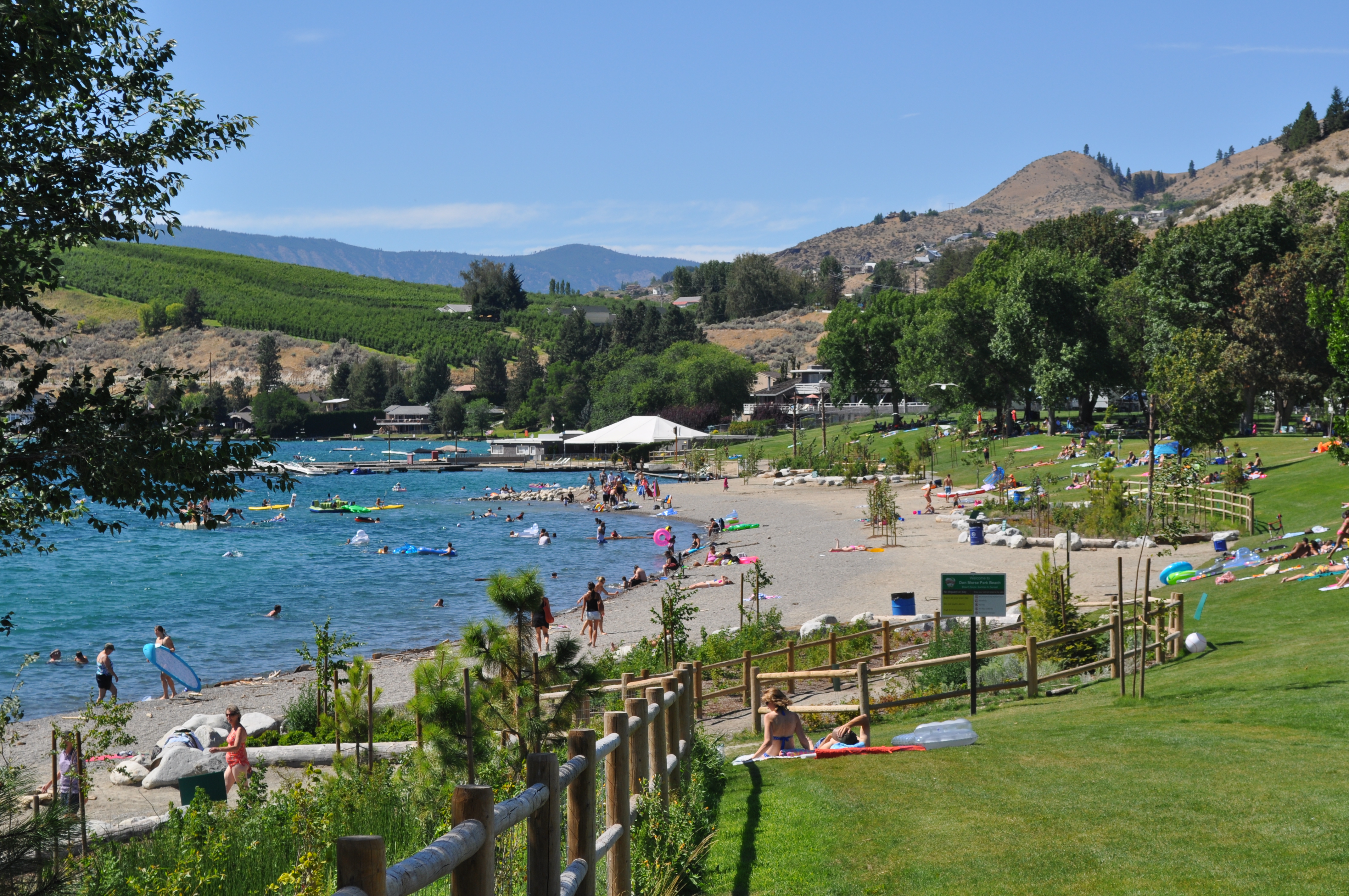
The Washington Recreation & Park Association (WRPA) recently awarded Don Morse Park in Chelan a Facilities and Parks Spotlight Award.

“Spotlight Awards highlight excellence and achievements in the field of parks and recreation by honoring the amazing efforts of public agencies.  Facilities & Parks Awards recognize the highest standards in design, development and renovation of park and recreation areas.” – WRPA

J.A. Brennan congratulates the City of Chelan and Parks and Recreation Director Charles Sablan.  We are proud to have helped Chelan restore its premier waterfront park and swimming beach.

J.A. Brennan served as prime consultant.  The design team included Reid Middleton, Coast & Harbor Engineering, The Watershed Company, SWCA, Budinger & Associates, Shannon & Wilson, Cascade Interpretive Design, Sparling, Erlandsen Inc., and Nelson Geotechnical Consultants.

For more information: http://bit.ly/1prObAV

Biking to Work…

The crew at JAB is at it!  Our office of 8 has joined the 2014 Cascade Commute Challenge.  We have a 63% participation rate, five staff members are actively involved in the bike to work month of May (and most other months too). We are almost at the halfway point of bike to work and have accumulated a total of 260 miles.

JAB-bike-Challengeteam

NICE WORK TEAM!!

photo 2aps

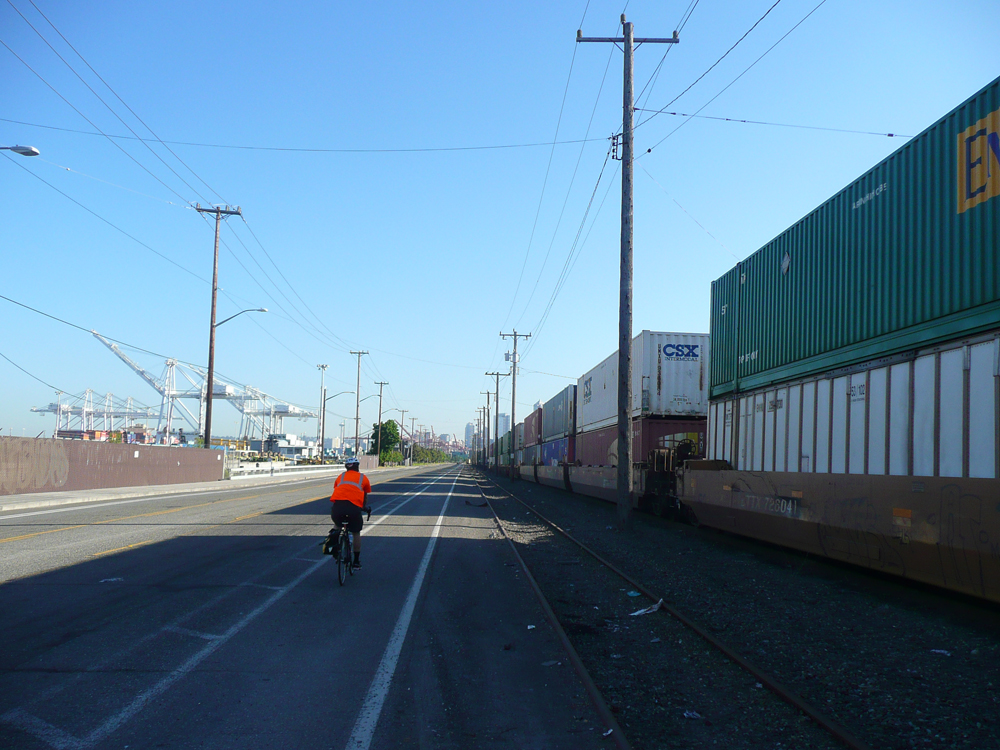
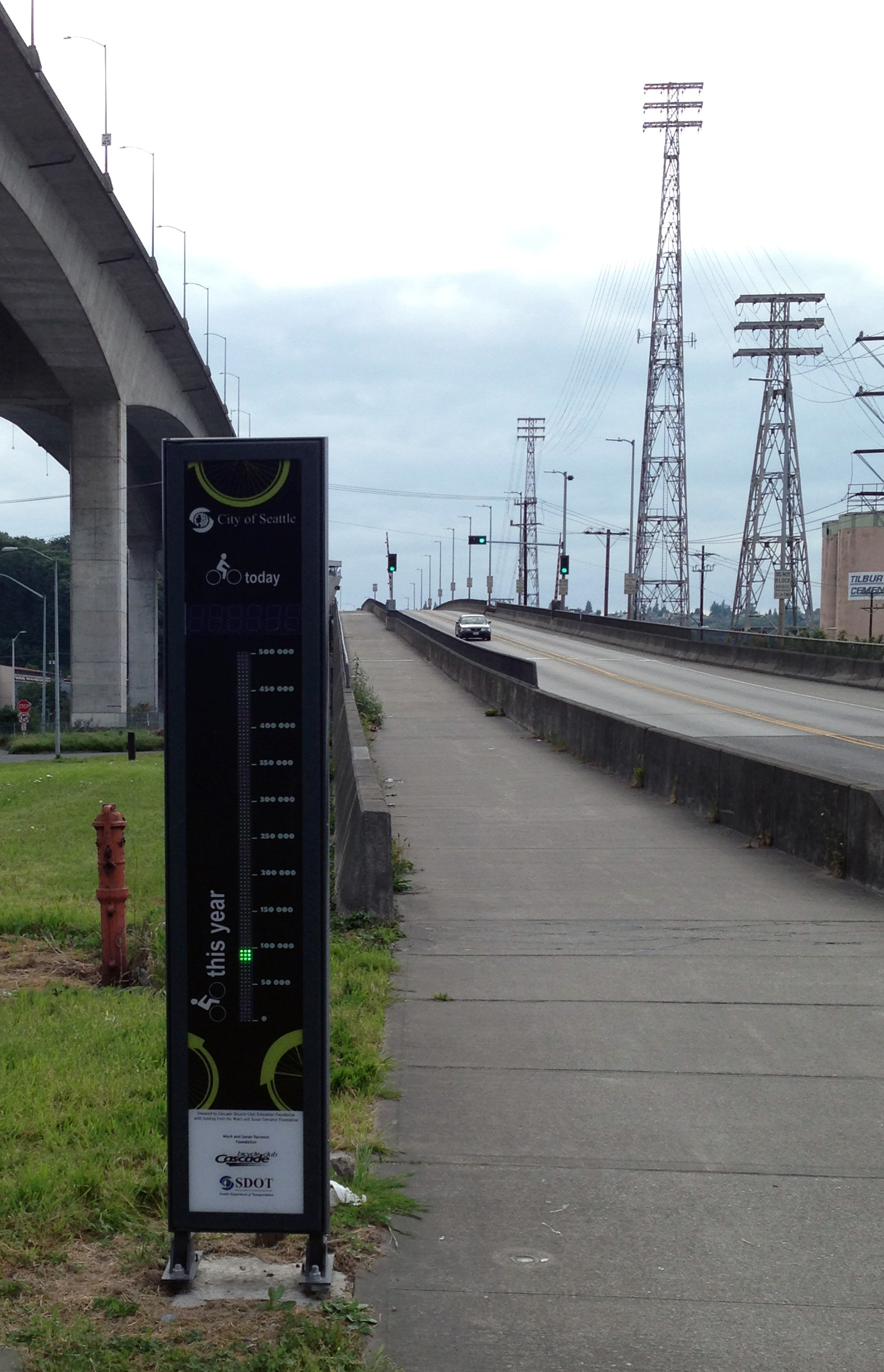
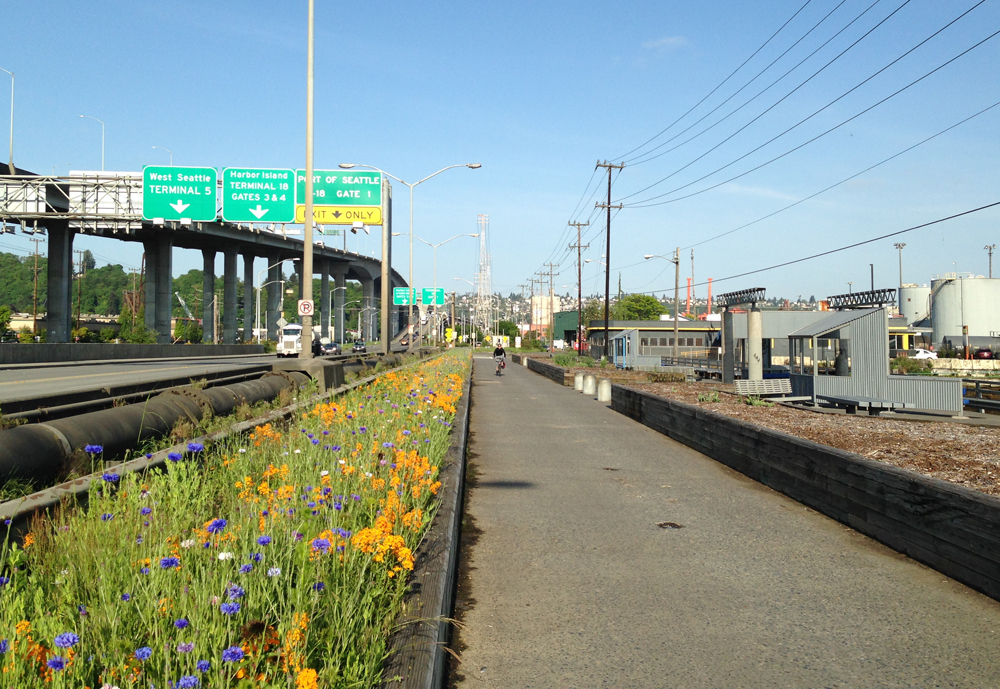
Drew’s wonderfully sunny homeward bound commute across the Duwamish River yesterday!  Industry and wildflowers mix it up on the East Channel crossing.

Placemaking

TCRP MoonIMGP3735
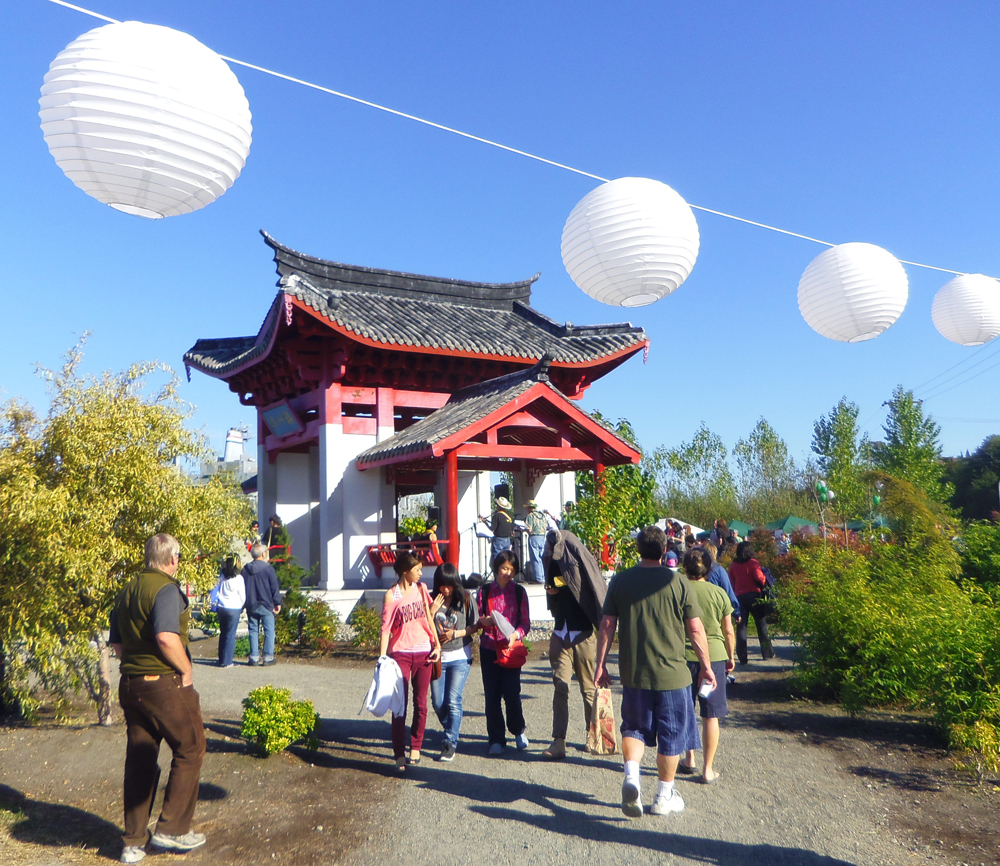
Fuzhou Pavilion during the moon festival at Tacoma Chinese Reconciliation Park, © J.A. Brennan Associates

Good civic spaces provide communities with vital places for congregation and celebration and can augment, if not define, the spirit of a neighborhood and city. Part of the design process for public spaces involves pinpointing and expressing significant and unique character traits and culture in the resulting forms. Through creative collaboration with the community, designers can assist groups in interpreting their identity and the specific needs for public spaces. As landscape architects we synthesize our physical understanding of a site and its history with our creative ideas to establish placemaking features into a space.

Eureka Focal Point_20091019_2009-10-19_0056
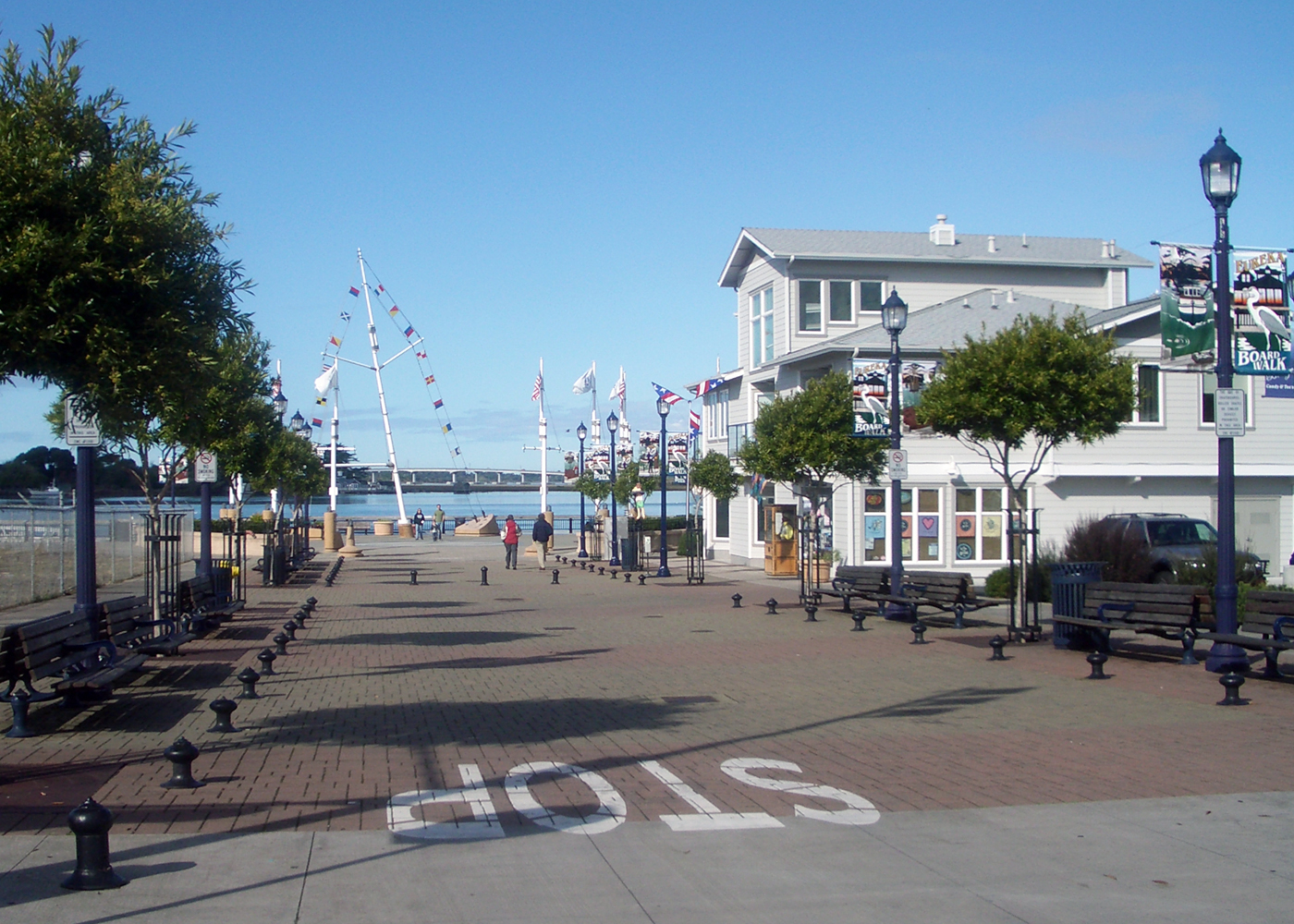
Focal point at the end of F Street in Eureka, California, © J.A. Brennan

Over the next several weeks the JABLOG will explore processes and design techniques that invigorate civic life and articulate a neighborhood’s character within the public realm. We will discuss how history, people, landscape interpretation, art, and architecture are translated through the design process to create bold or subtle statements about a community’s identity.

Process

A component of developing successful civic spaces includes establishing placemaking features and/or iconic focal points in collaboration with the people who use the space and who it represents. This is a process of exploring a community’s understanding of itself.

Inherent in designing is the task of finding common ground and working towards a common purpose, distilling a vision from many voices. An inclusive public process brings people together to express and hear diverse ideas, bonding the participants.

How does it happen?

Understanding -> Vision -> Design


Artist Smoker Marchand's installation at Beebe Spring's Natural Area, © J.A. Brennan
Artist Smoker Marchand’s installation at Beebe Spring’s Natural Area, © J.A. Brennan

The importance and history of a site are known to those around it.  As designers we work with the public to understand and articulate a community’s core values and its culture. Some have a clear vision of how to express their identity. Others look to the landscape architect to facilitate the process of synthesizing the ingredients they have gathered to make a bold statement. Ultimately, good placemaking expresses the core of a community in the design.

Creativity

The designer distills what is learned about the site and uses forms, materials, colors, and natural elements to design placemaking features.

Bitter Lake Reservoir Open Space Expanding Waterdrop Plaza
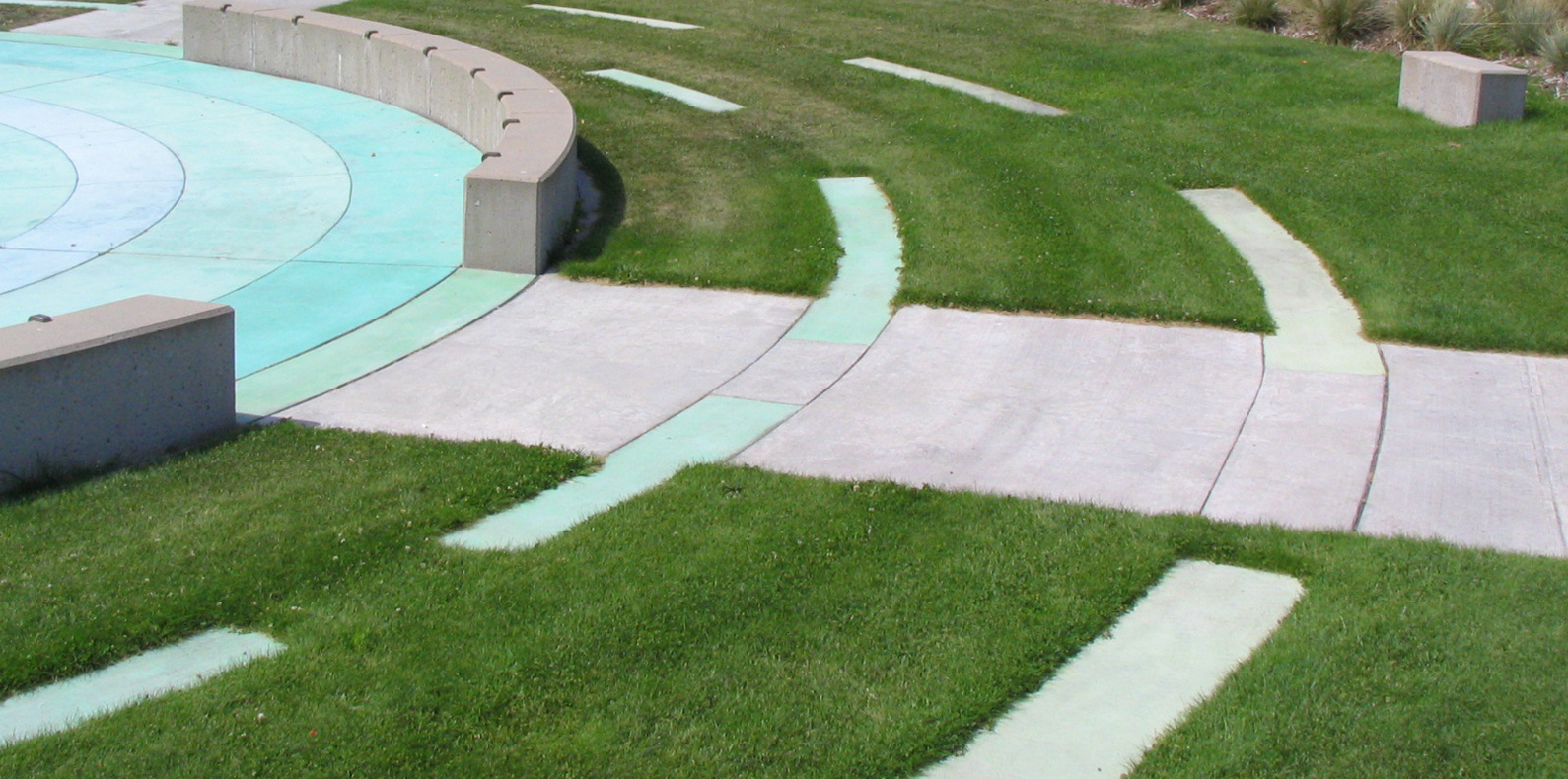
Bitter Lake Reservoir Open Space’s Expanding Water Drop Plaza, © J.A. Brennan

There is the satisfying moment of finding the perfect expression of a place.

Will it be…

  • A gateway marker?
  • A view?
  • A pattern in the wall?
  • A signature structure?
  • A fountain?
  • A sculpture?
  • A story told in the landscape?

Iconic placemaking elements ultimately enhance gathering places, enrich relationships with the landscape, and improve wayfinding and navigation within the geographic setting.

A good process results in an iconic placemaking element and spirit of place that is embraced by the community.


Entiat Park Revitalization Update

Entiat Park on the Columbia River is getting a big makeover by the Chelan County Public Utility District (PUD).  J.A. Brennan Associates is leading a multi-disciplinary design effort to update this well-loved and well-worn camping and day use waterfront park.  Built in the age of big lawns, rows of poplar trees, and motor-first recreation, the new park will be revitalized to fit today’s ecological and recreational values.

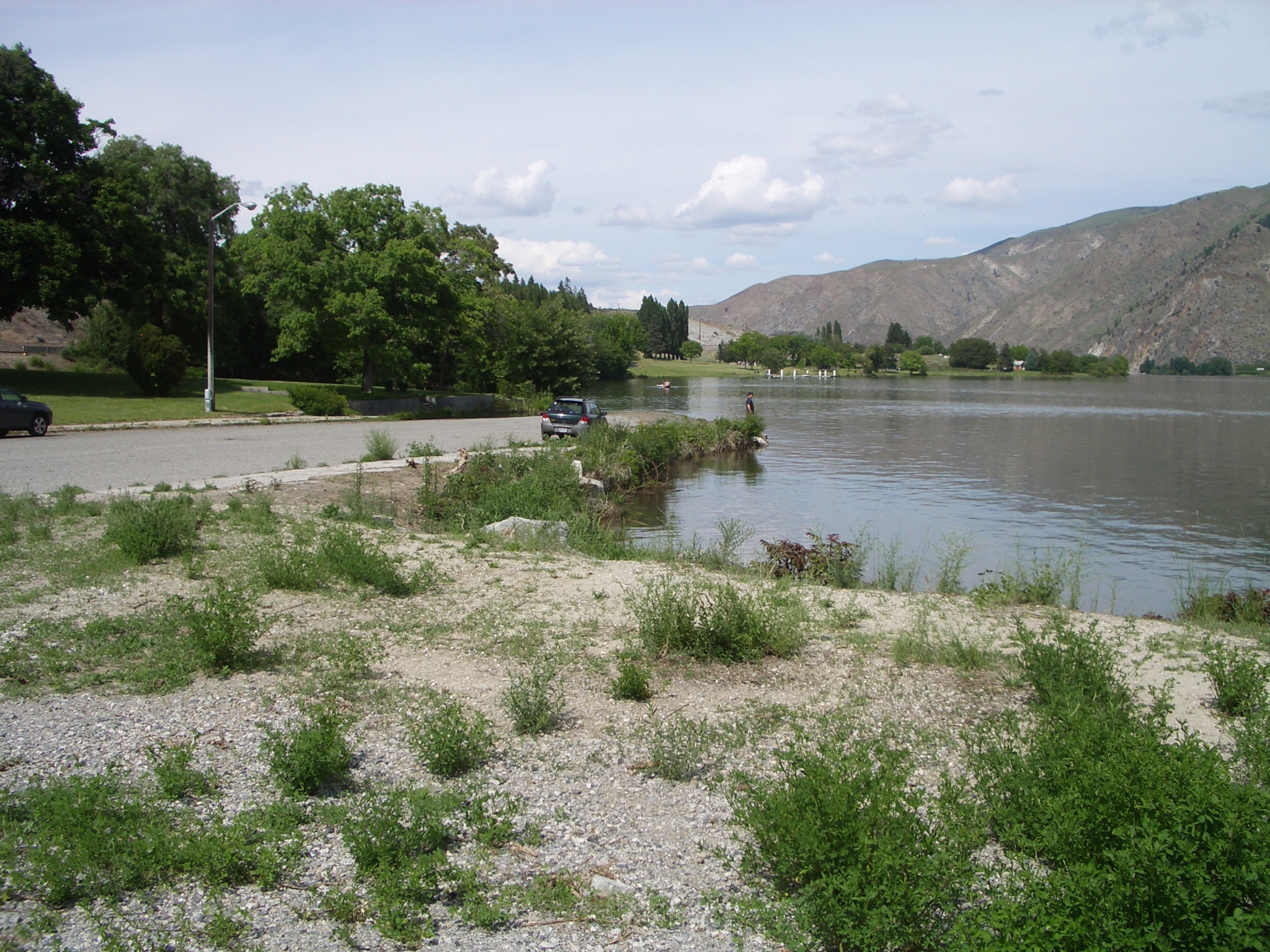
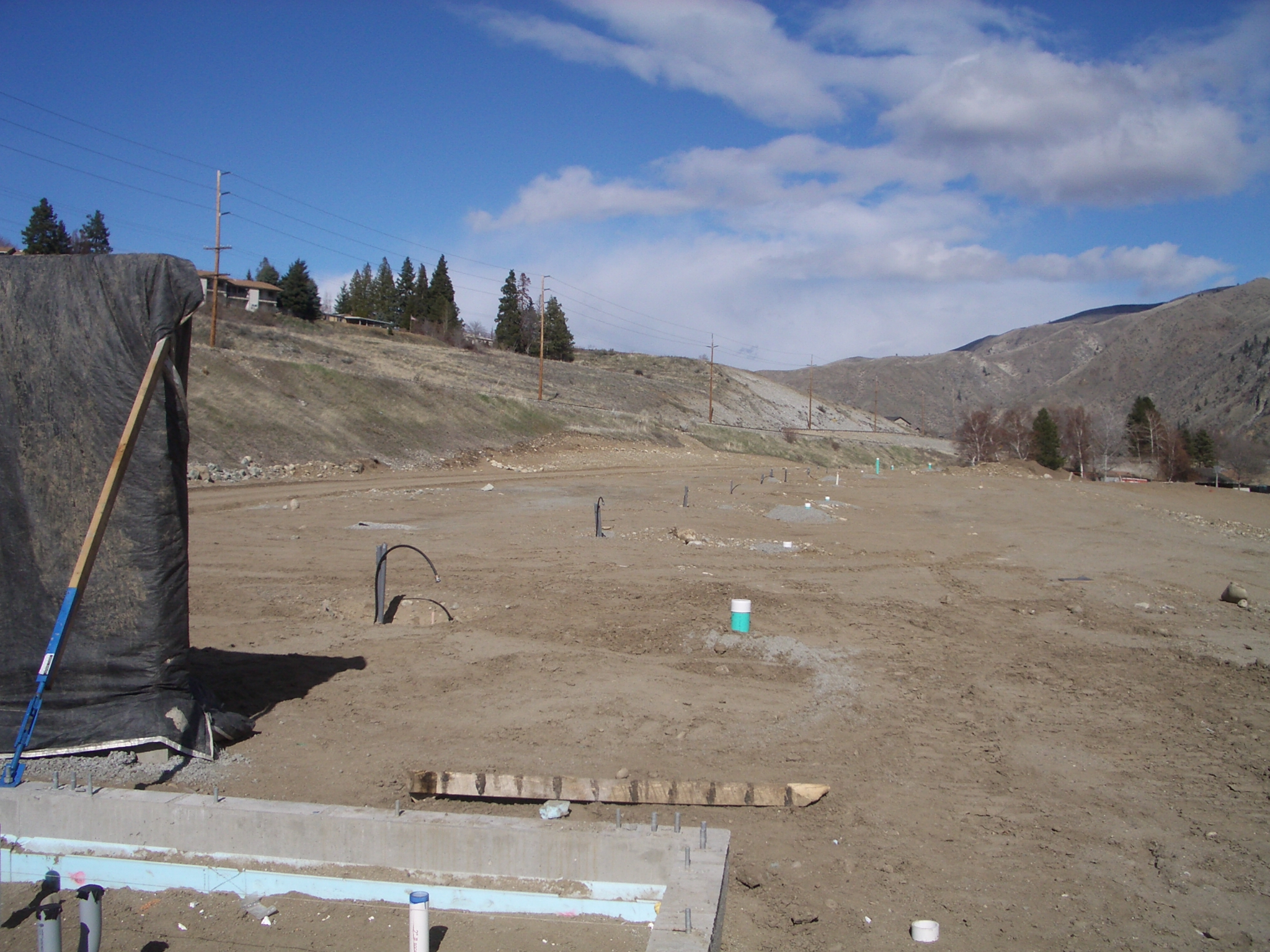
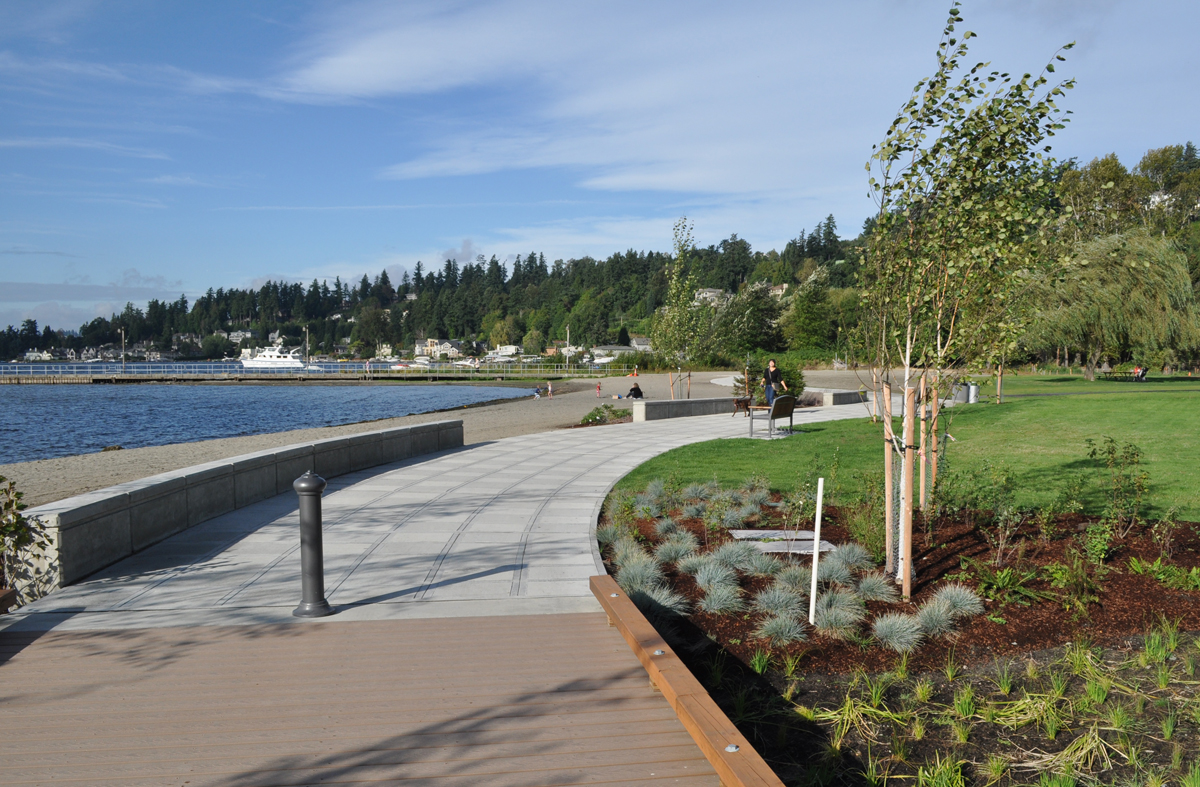
Entiat Park is closed for 2014 while construction is taking place.  To date, much of the invasive species eradication and extensive earthwork and has taken place.  Currently, the contractor is nearing completion of the soft shore installation.
IMGP4486
Construction photo
IMGP5003 Before
Pre-construction shoreline conditions

The new Entiat Park will offer a well-rounded recreational experience that includes provisions for both motorized and non-motorized watercraft, organized individual and group tent camping areas close to the water, as well as improved RV facilities.  By relocating the campground road away from the water’s edge, we could open up the shoreline to accommodate a regional trail and improved day use areas along the river.

IMGP4276
One of several touchpoints to access the waters of the Columbia River

The design calls for a series of touch points, separated by lengths of native vegetation, where park visitors can access the water for wading, fishing or other activities.  In these locations, the shoreline is graded gently to expose the site’s sandy substrate, which makes for a fine beachy surface.
J.A. Brennan is bringing today’s ecological design tools of soft shore design and native plant restoration to the park.  After suffering years of unabated intrusion of invasive species, the new park will include a lush, native riparian ecosystem along the river as well as select restoration of the unique shrub-steppe environment.

IMGP4292
Habitat-friendly, soft shore applications include native cobbles and root wads

The design calls out two types of shoreline applications. In steeper areas, the design employs a mix of on-site cobbles and boulders with live stake plant material in the interstitial spaces to form a densely vegetated, naturalistic rocky, cobble shore.  Where slopes are a bit gentler, a seeded gravel/soil mix provides a green and dynamic shoreline, backed up by vegetated coir log installations.
IMGP4508
Campsites and utility hook-ups under construction

We are excited to see the project moving forward.  There are many more exciting improvements to come before the grand opening in time for the 2015 season.  Check back in later to see the progress.  Thanks for reading!

Happy New Year!

Here’s a look back at some of the projects we completed in 2013. Thank you to all our clients, prime consultants, and subconsultants.

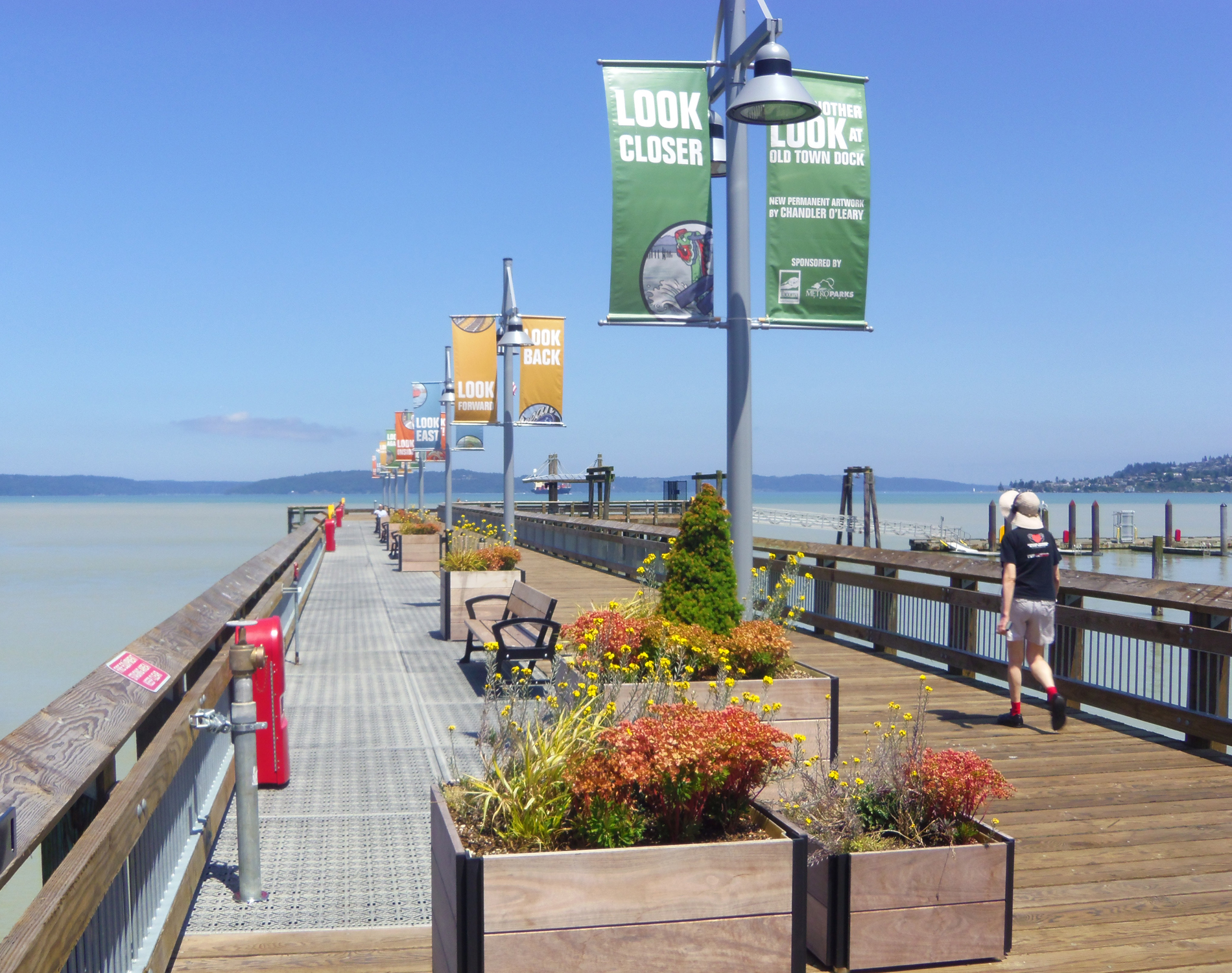
Old Town Dock in Tacoma reopened to the public.
Don Morse Park in Chelan celebrated its grand opening in time for July 4th.
The flood walls at Three Friends Fishing Hole Park in Kent
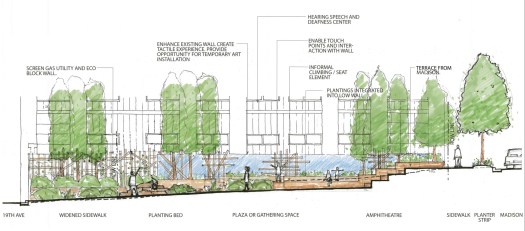
J.A. Brennan completed schematic design for 19th and Madison Park, now known as Cayton Corner Park
J.A. Brennan completed schematic design for 19th and Madison Park, now known as Cayton Corner Park!
Western Washington University completed construction of the new Fairhaven College entry.
Whatcom Community College completed construction of the  Auxiliary Service Building (ASB).
Whatcom Community College completed construction of the Auxiliary Service Building (ASB).
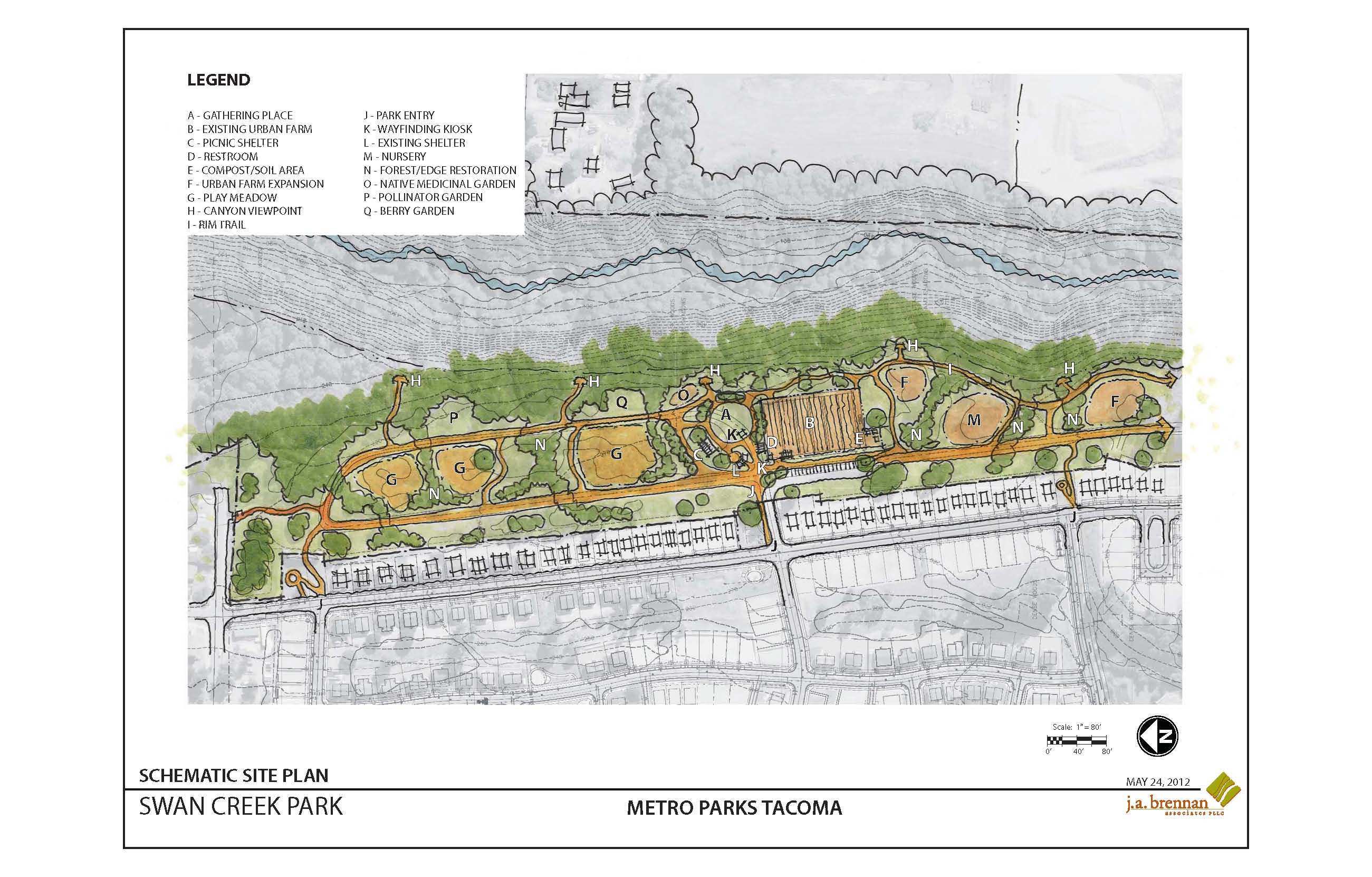
J.A. Brennan completed schematic design for Swan Creek Park Phase 1.

We are looking forward to 2014!

Planting Design for Shoreline Environments

by Mike Perfetti

Juanita Beach Park
Juanita Beach Park, Kirkland, WA

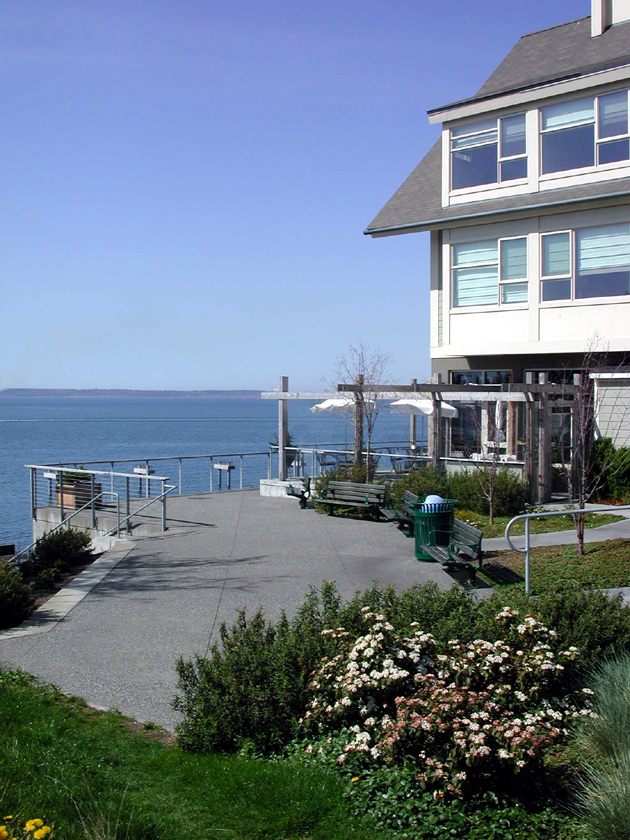
Working on the design of waterfront projects is both rewarding and challenging.  Waterfront projects present a special set of opportunities and challenges to designers and project proponents in achieving project goals and also ensuring that the project is improving the adjacent shoreline and aquatic environment.

Plants are an important component of any shoreline project, as plant material provides erosion control, habitat, shade, and aesthetic functions.  Regulations at national, regional and local levels require that project proponents include vegetation along the shoreline and ensure plant establishment success.

Changing water levels in Lake Washington require appropriate plant selection.   As well, plants and habitat features must be firmly anchored in the substrate to avoid loss.
Changing water levels in Lake Washington require appropriate plant selection. As well, plants and habitat features must be firmly anchored in the substrate to avoid loss.

Here are some considerations for planting along shorelines in our region:

Herring's House lagoon 2008
Native grasses and sedges thrive in the intertidal zone at Herring’s House Park in Seattle.

Native plants: Natives provide a ton of ecological benefit, are generally easier to establish and maintain than non-native plants, need less water and soil amendments and additives, and are required to some extent by regulators.

Taylor Dock and Upland Park, Bellingham, WA

Ornamental plants: Further away from the shoreline, it is ok to introduce ornamental plants.

Riverview Park
Side channel at Riverview Park, Kent, WA

Site hydraulics and hydrology:  Lake, river and marine water fluctuations have a dramatic effect on shoreline vegetation.  A plant such as Hardstem bulrush (Scirpus acutus) is resilient and can thrive in saturated ground and up to 3’ of water, which makes it a great choice for fresh water marshes and occasionally brackish water situations.  But many plants have a narrower threshold for the amount of inundation or drying they tolerate.  Having a good understanding of high, mean, low and extreme water levels and periods of inundation is critical for plant selection.  And on dammed fresh water systems, water fluctuations can be extreme and infrequent.  Water may be released at dams for emergency situations.  Water level data is often available from dam managers.

Leschi
For the slopes at Leschi Marina we specified livestaking to help ensure plant establishment

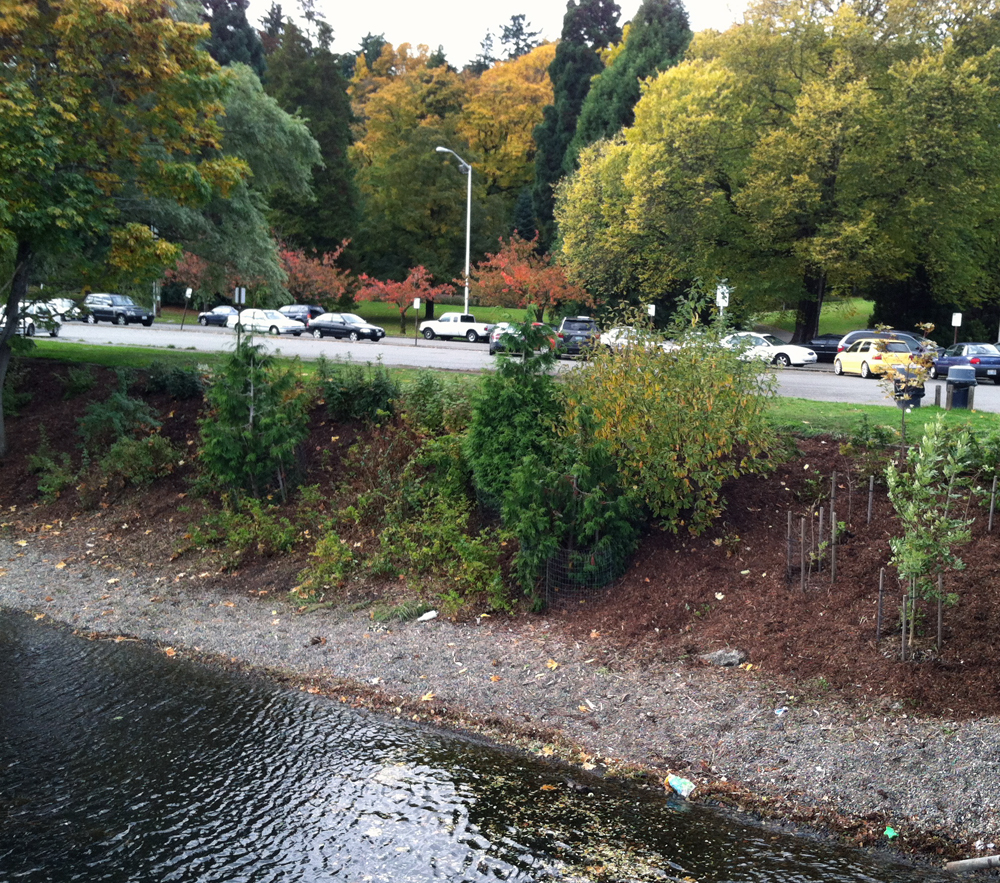
Steep slope considerations:  Steep shoreline banks can be fragile, susceptible to erosional water forces and fluctuating levels of saturation.  Many times we see steep banks that are covered with undesirable, non-native species and weeds.  The roots of the undesirable plants may be serving to stabilize the soil; removing them may subject the site to an unacceptable amount of erosion.  Sometimes, accessing these banks to install plants can be very difficult (we have been involved in where crews installed plants by top roping from above).  One solution to this problem is to install live stakes (cuttings) of appropriate plants and install into the bank, while also employing select cutting / removal of the non-native plants.  In time, the invasive plants may be ‘shaded out’ by the growth of the live stakes or trees, without the benefits of erosion control being lost.  There are many bioengineering solutions to shoreline problems like this.

Water quality:  The use of fertilizer, herbicides and compost amendment should be considered on sites where water quality is an issue.

Cultural and historic resources:  Cultural and historic resources often factor into a project. Leaving a resource intact may limit the extent of plantable area, and the degree to which soil tilling and excavation for planting may be done.

Restoration Plan
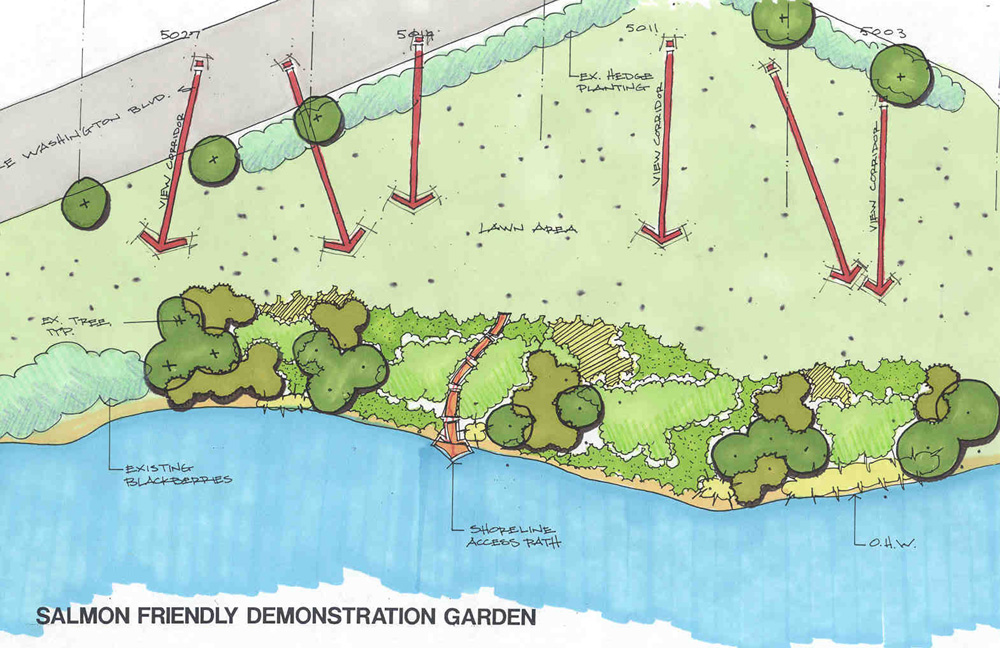
Diversity in plant selection and considering future plant growth helps ensure view corridors and access remain open.

Water views and access:  Accessing water is a basic human desire.  It is important to provide design that benefits people and wildlife.  Plants can be located to protect or buffer a critical area and opened to allow views or touchpoints to the water, all in a way that is site appropriate.

In the end, we want successful multi-beneficial projects and we want to satisfy permit requirements.  Often, a project will be obligated to show around 90% survivability over a 5 year time period or so.

Don Morse Park
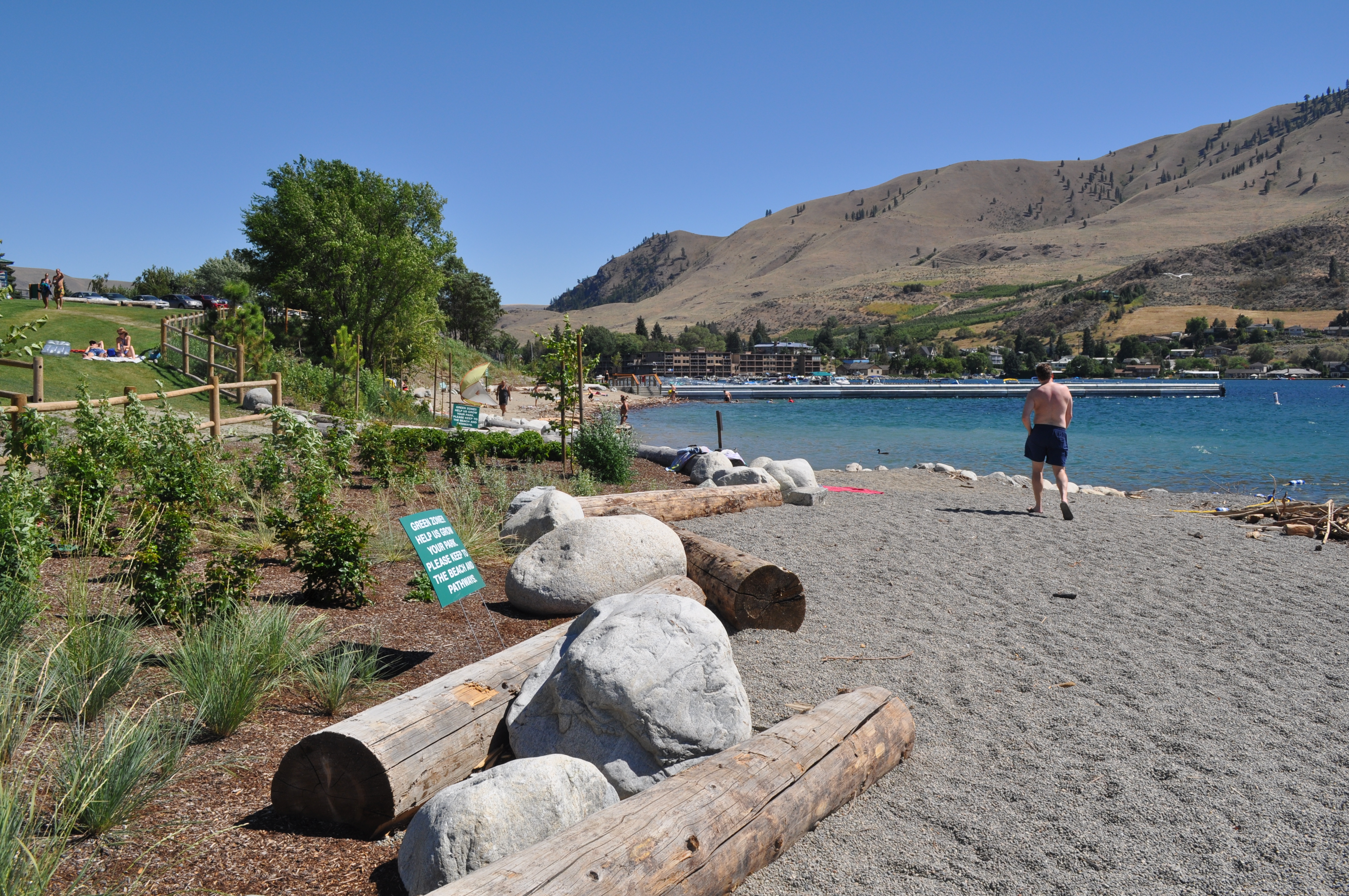
Protecting newly planted areas with fencing, signage, and other structures helps with survivability issues.

Having a landscape architect on the team to develop good planting design and appropriate shoreline access will help ensure a project’s success.

Architectural Barriers Act (ABA) Accessibility Guidelines for Outdoor Developed Areas, Final Rule

by Dan Shaw

The ABA Accessibility Guidelines for Outdoor Developed Areas final rule went into effect on November 25. Anyone involved in outdoor accessibility issues in a federal setting will likely be affected by the final rule.

Changes in materials need careful consideration, (Juanita Beach Park, Kirkland, WA)

Several of us at the office recently participated in a webinar on these updates. The ABA Accessibility Guidelines provide technical requirements to ensure projects on federal lands (or built by federal agencies) are accessible to people with disabilities. In our day-to-day work we often choose to follow ABA standards (even on non-federal projects) because they provide effective, reasonable, and specific design guidelines for accessible outdoor facilities including trails, beach access, camping sites, etc.

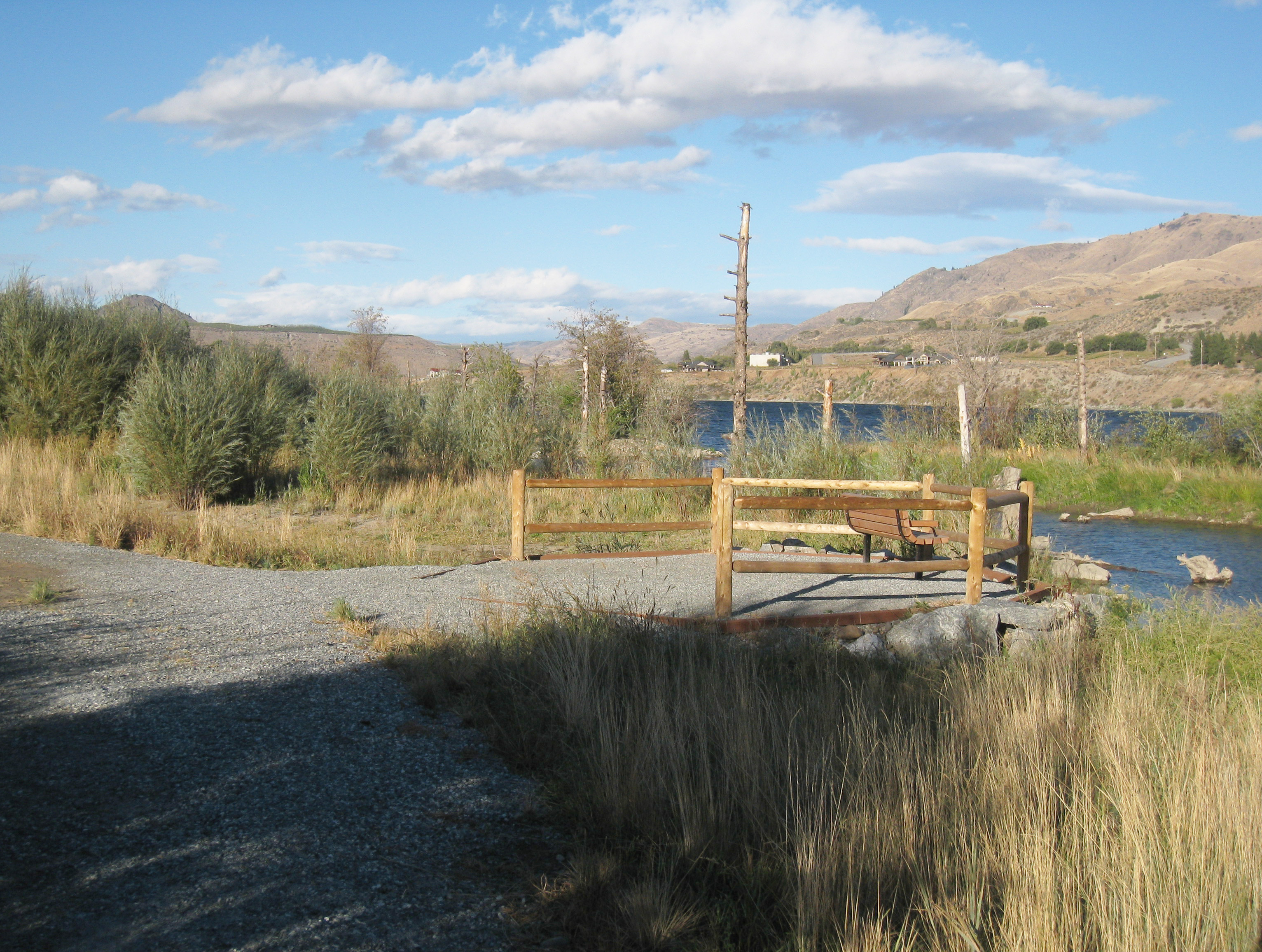
ADA accessibility works with crushed surfaces but has its challenges. (Beebe Springs Natural Area, near Chelan, WA)

ABA guidelines may also serve as the basis for ADA updates, potentially going into effect as early as Spring of 2014 depending on how negotiations go with rule-makers. We anticipate that even more municipalities will start to adopt ABA guidelines on a project-by-project basis.

An accessible viewpoint and bench (Beebe Springs Natural Area, near Chelan, WA)

The webinar format made it easy for us to learn about these updates- we simply gathered in our conference room and listened in, which made it possible for us to discuss what we were learning with each other and how these guidelines will shape future projects. 

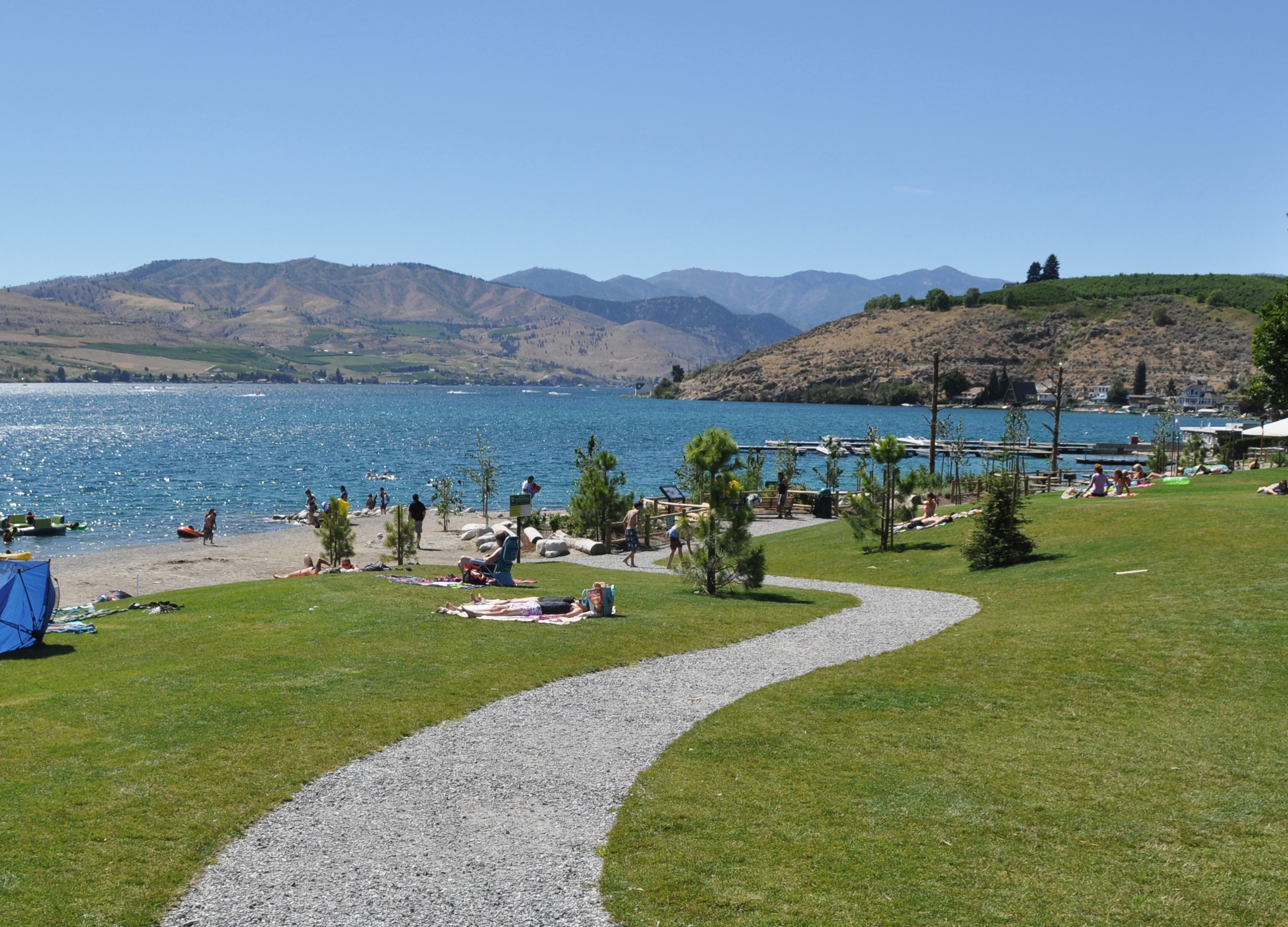
A serpentine path often reduces the gradient, improving accessibility (Don Morse Park, Chelan)
A serpentine path often reduces the gradient, improving accessibility (Don Morse Park, Chelan, WA)

The new guidelines are a great way to enhance accessibility for all.

The full report is available at this link.  The ABA PowerPoint show may be found here.

The Beauty in My Garden

Garden_20100724_05
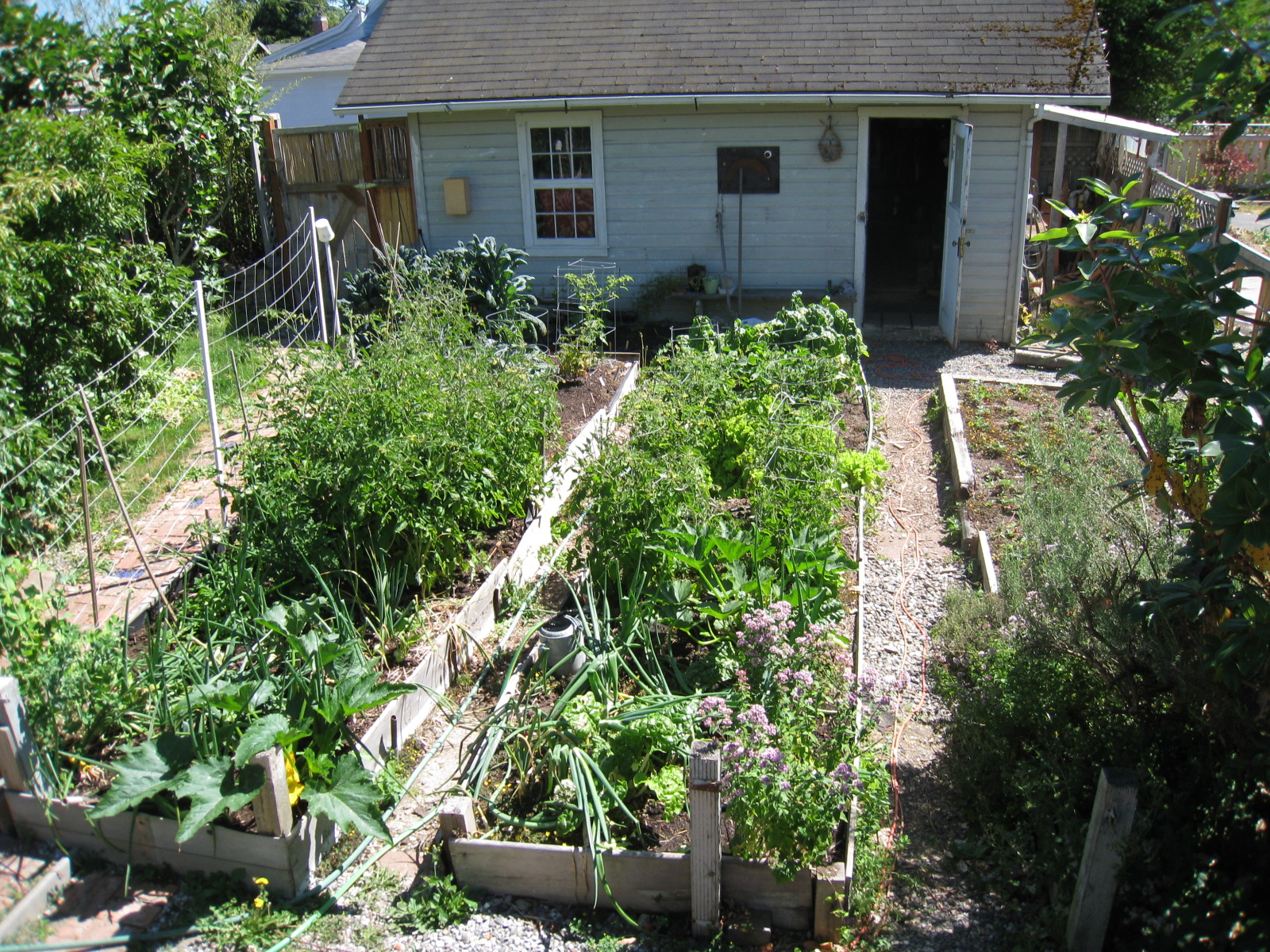
This is what it looks like when all is going and growing perfectly…

by Tanja Wilcox, Senior Associate, Landscape Architect

Creating, Nurturing, and Watching Things Grow

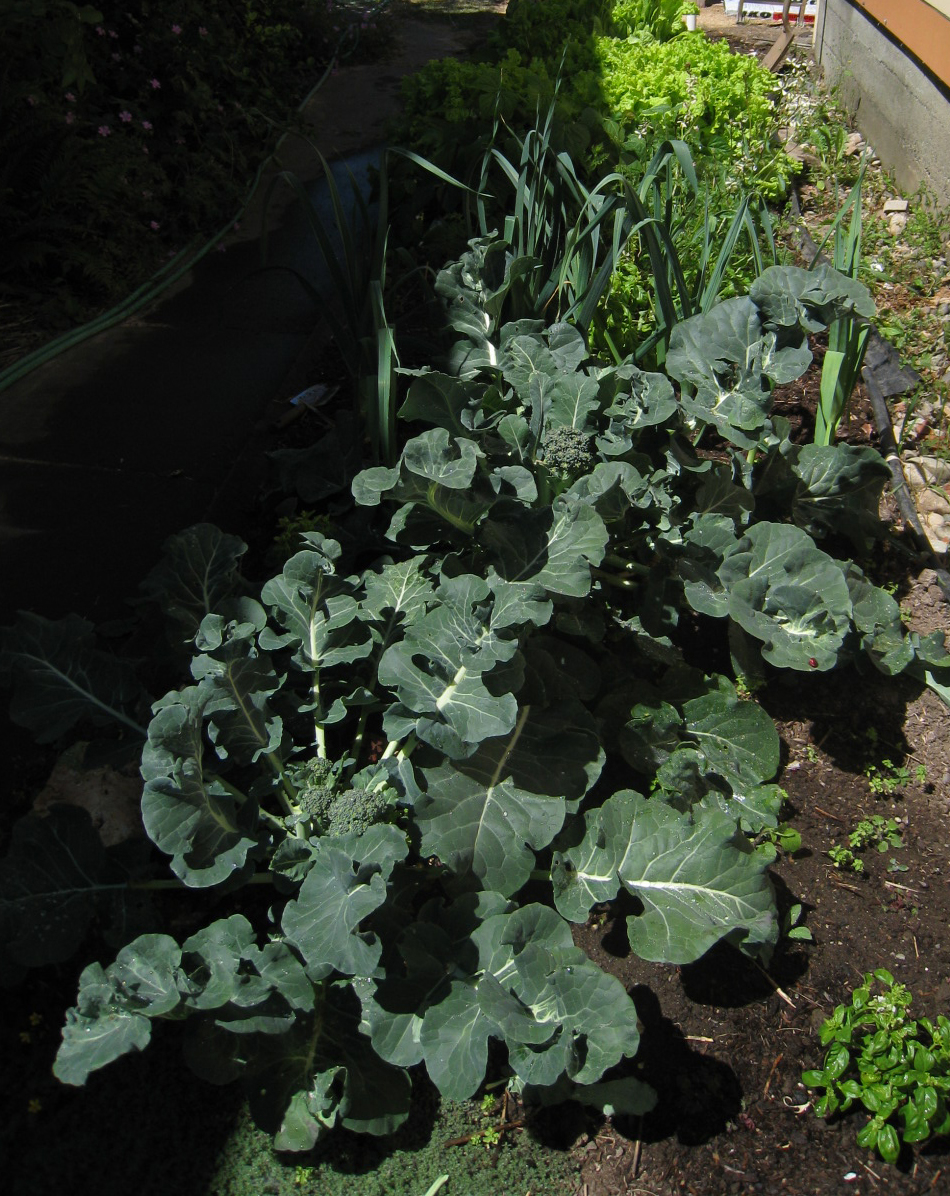
As landscape architects, we all come to our profession for a multitude of reasons, but one of the reasons that I am drawn to landscape architecture is due to a shear love of creating, nurturing and watching things grow.  At home I get to play this out in my own vegetable garden!  The miracle of tiny seeds planted in the cool and rainy days of spring that sprout up to create big heads of lettuce, giant Swiss chard, black dinosaur kale, and green bean stalks that curl and twine far above my head!  We go from having to run off to the grocery store for every bit of vegetable to frantically doing research on new ways to use the incredible bounty of produce springing forth in the back yard.

Garden_20100724_01ps

Solving Challenges
Landscape architects enjoy a challenge, a chance to experiment and to problem solve…Being an urban farmer provides me with ample challenges, such as when my carefully tended 200 square foot garden plot is attacked by a prowling neighborhood cat eager to dig up my lettuce starts, or the pill bugs multiply madly and come up from their hiding spot along the garden borders to eat all my freshly sprouted peas (again!), or when the cabbage worms hide in plain sight as I wonder what could possibly have made my perfect kale leaves look so holy!  Armed with sets of new, bigger, lettuce starts, a slew of sticks, Sluggo, and gardening gloves, I go on the attack!  The sticks, planted firmly in amusing patterns give us something to look at while we wait for the lettuce to grow and simultaneously create a simple way to keep the naughty kitty at bay.  My be-gloved fingers go after and mercilessly squash the unsuspecting cabbage worms, and the Sluggo Plus sprinkled about, guards the delicate plants from pill bugs and slugs when I’m away. 

Garden_20100724_06ps

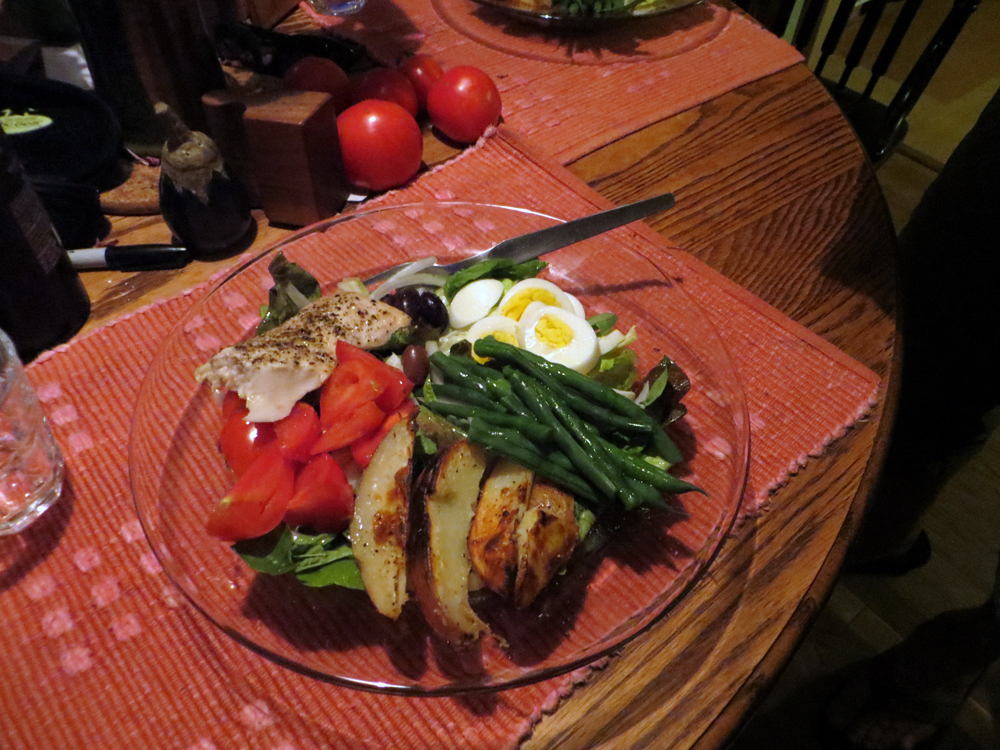
As a landscape architect, I love natural beauty, especially when I’ve had a hand in shaping it.  There is beauty in the sunflowers that attract bumble bees, mason bees, honey bees and later nuthatches and chickadees.  There is beauty in the purple bean flowers and later, the long green bean pods tossed together with bright red cherry tomatoes.  Landscape architects enjoy being a small part of “the solution.”  I practice that at home by planting a garden and reducing the carbon footprint of our food.  By planting flowering plants we’re providing much-needed habitat for beleaguered butterflies, bees, and many other pollinators.  In the process, there’s a chance that our efforts will be contagious, infecting our friends and neighbors with the same bug!

Salad Nicoiseps
Salad Nicoise
Design a site like this with WordPress.com
Get started