On the Road to the WASLA Conference

Picture1

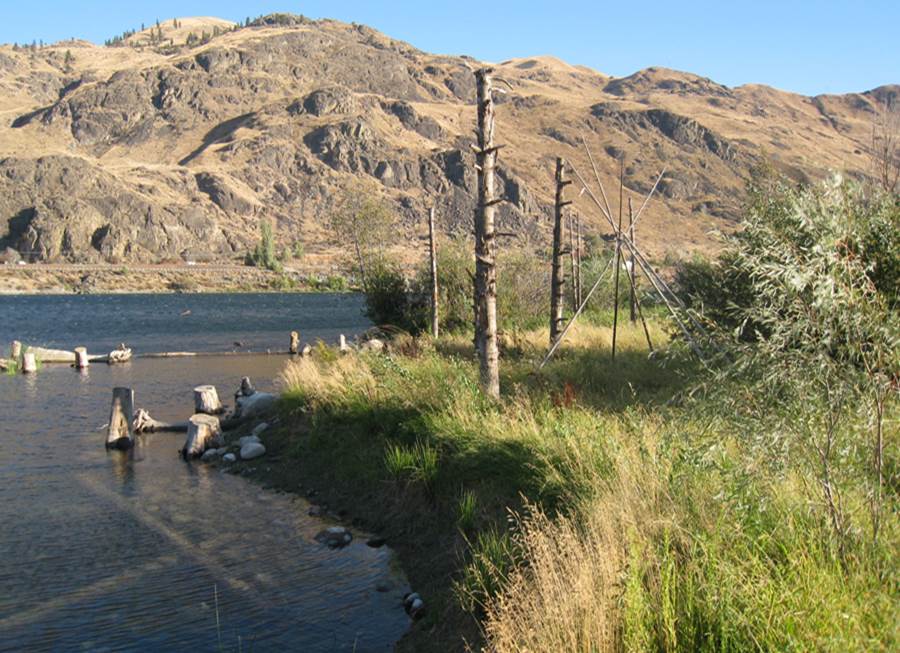
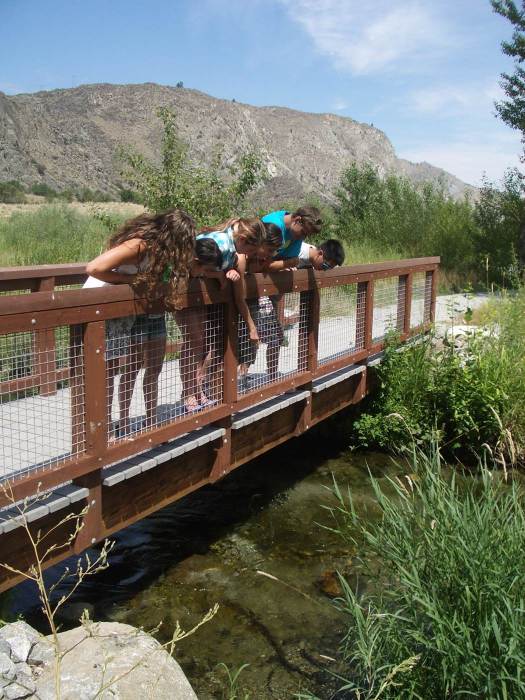
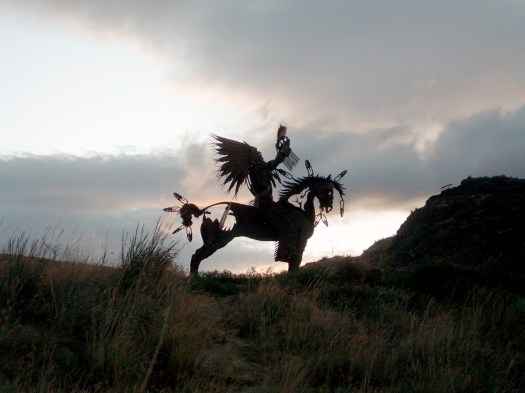
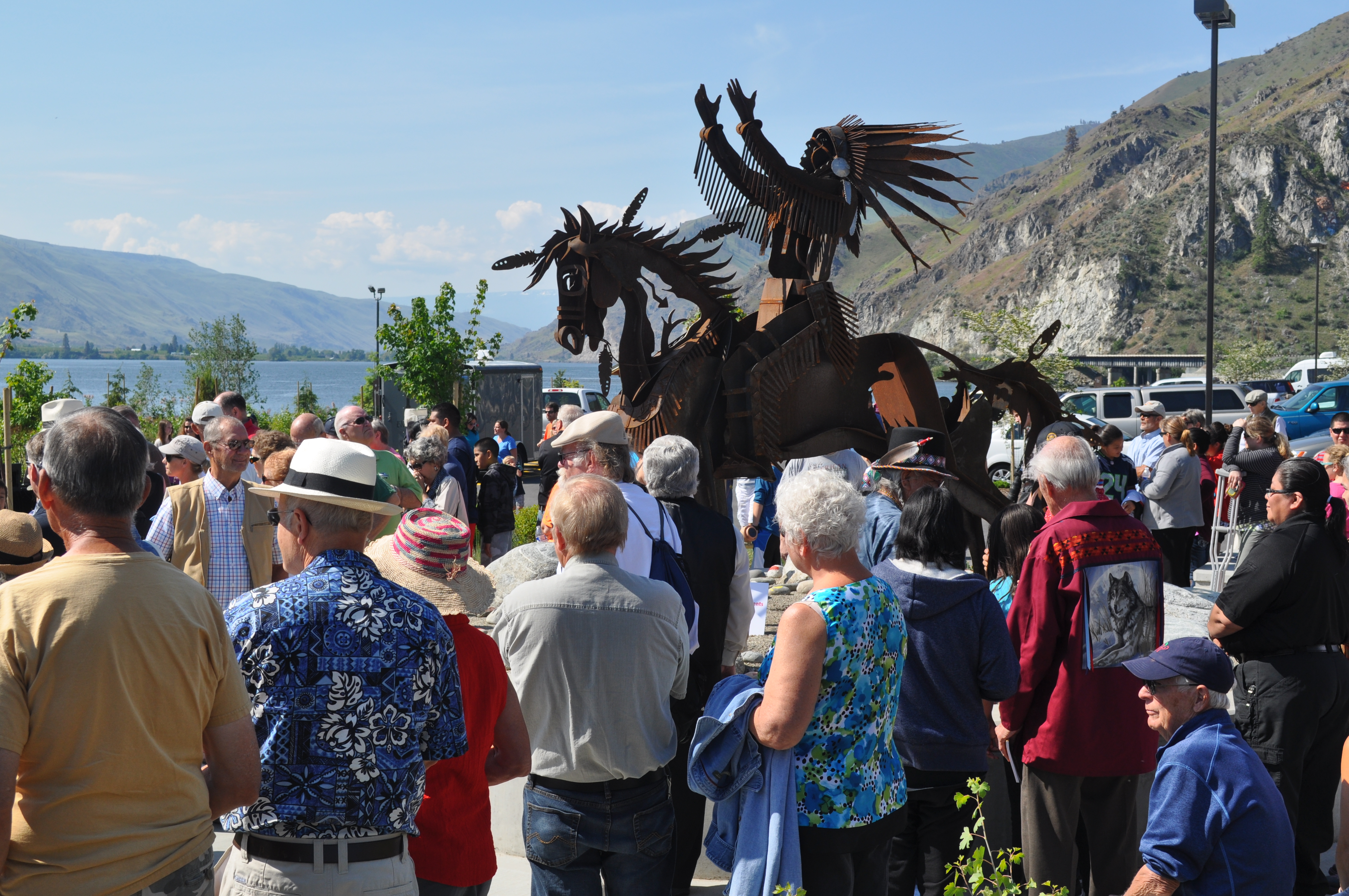
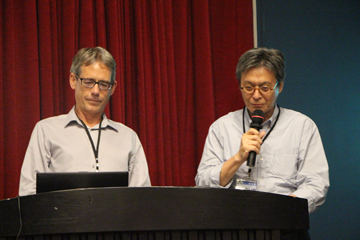
Jim is excited to be leading a panel discussion of our Beebe Springs Natural Area project at the 2017 WASLA conference in Spokane, WA. The theme of the conference this year is Where History Meets Nature. Jim, Dennis Beich (Ecosystems NW), Chuck Lennox (Lennox Insites), and Carla Talich (BHC Consultants) will be discussing Exploring Earthquakes, Springs, Dams, and a River Restored: Designing a New Wildlife Area on the Columbia River at Beebe Springs.

If you see Jim, Drew, or Tanja please say hi!

Also check out the range of exciting sessions happening over the course of the day:  http://www.wasla.org/2017-wasla-conference

Picture2

Beebe_horse sculpture


Entiat Park is Open!

Entiat Park_Overview_DSC_0298_05162015_Small

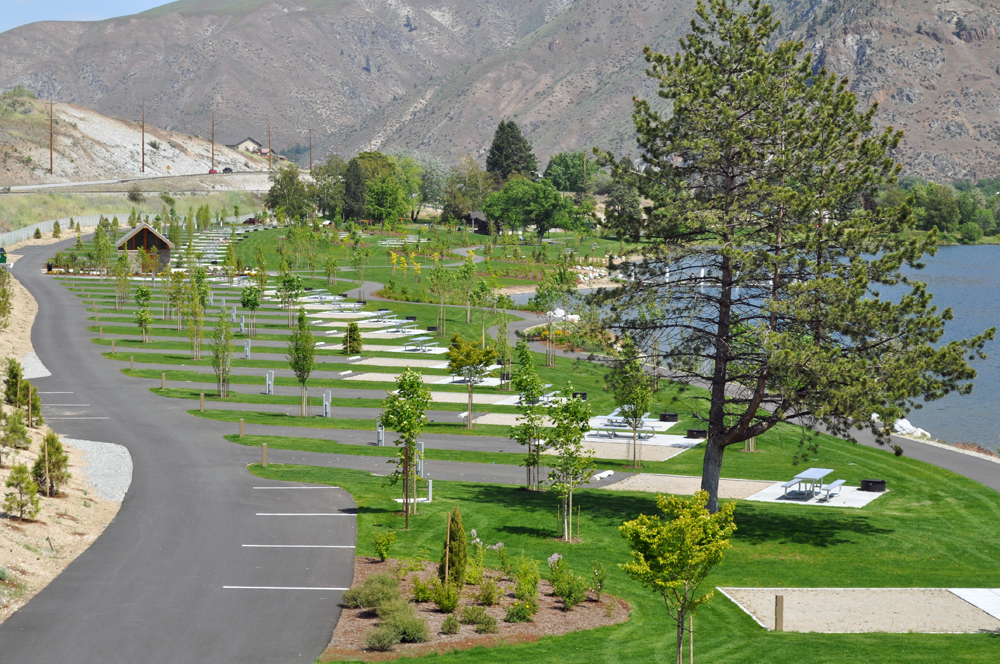
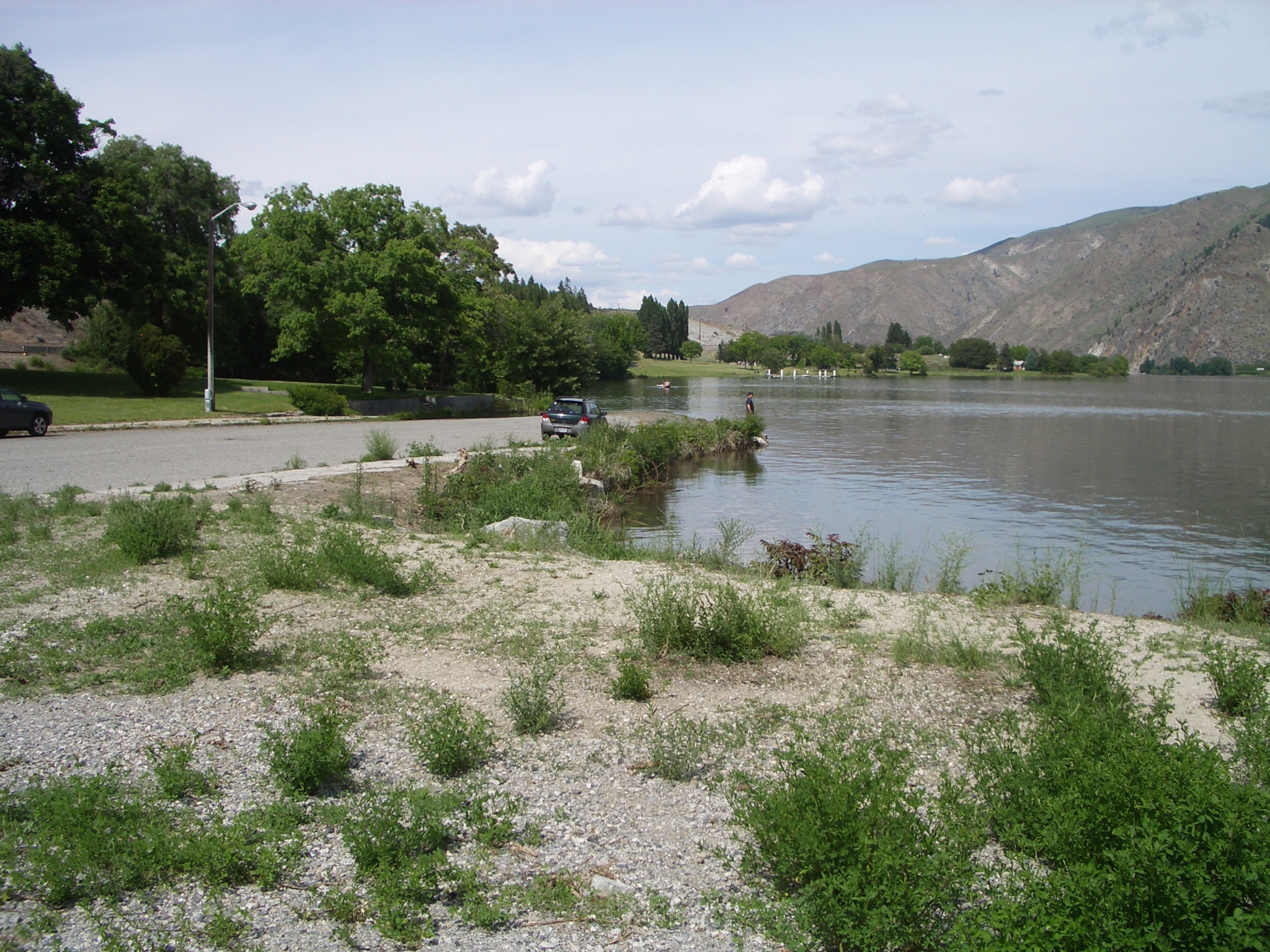
Entiat Park, along the banks of the Columbia River, opened to camping on Memorial Day weekend. The grand-opening ceremony took place on May 16.

The park features a boat launch, multi-use shoreline trail, swimming beach, dock, picnic areas, restroom with showers, and a playground.

Entiat Park_Shoreline_DSC_0165_05162015_small

Entiat Park_Grand Opening_DSC_0210_05162015

Creative Approaches to Implementing Public Access Amenities

SSE- 6TH AVE W 2

by Mike Perfetti

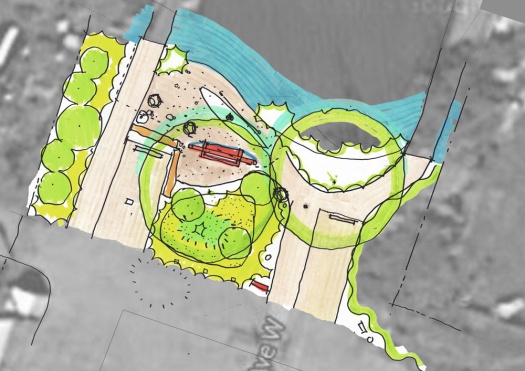
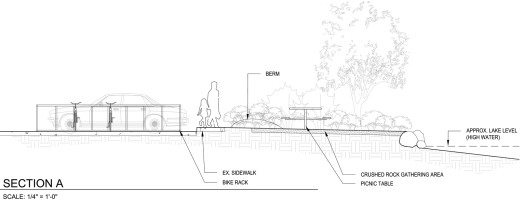
J.A. Brennan has had the pleasure to work with the staff of the City of Seattle Shoreline Street Ends Program, a Seattle Department of Transportation (SDOT) group, which turns lost, derelict, and often utility-laden street ends into shoreline pocket parks.  The goal of the program is to enable greater access to our water bodies, to create a shoreline environment where people can spend some time enjoying the water, and to improve shoreline habitat conditions.  Communities play an important part in this program as well, getting involved with project initiation, the design process, and in street end maintenance.

We’re in the midst of designing nine street ends on shorelines throughout the city and on several water bodies including the Duwamish River, the Ship Canal, Portage Bay, Lake Union and Lake Washington.  The first two projects, both on Lake Washington, are due to be completed this week –51st Ave. NE in Laurelhurst and South Willow St. in Seward Park.  The work is being done by the Seattle Conservation Corps (SCC).
P:SDOT Street EndsCADProject 1SheetsSSE - Project1_sheets 1

This program receives revenue from street end use permit fees.  One of the challenges is to make the most out of a relatively small purse, creating designs that enable the City’s funding to be allocated appropriately among each of the nine street ends.  The designs need to meet City and community goals, be appropriate to the sites, and match maintenance capabilities.  The project cost estimates range from about $10,000 to $50,000.  Here are three ways in which we worked creatively to steward funds:

Permitting

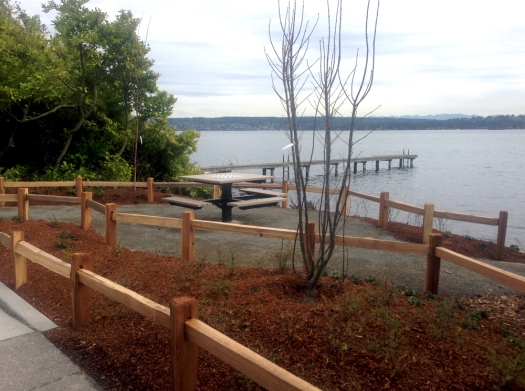
One of the ways is to look comprehensively at the effects of permitting on project implantation and to provide the City with design pathways that avoid extensive permitting where possible, which enables faster implementation.  Being shoreline sites, many of the street end projects face timing and cost challenges with shoreline and in-water work permitting.  The project goals and site conditions at some sites make applying for these permits inevitable.  For other sites, we presented design solutions that avoided or minimized permit costs and delays, which is the case at both 51st and Willow.
51st 3

Design-Build

Secondly, we established a design–build relationship with the SCC.  On the two completed sites, where we lacked solid survey information, we developed our own base mapping and provided 30% to 50% design documents, enough for the SCC to put a price to.  We coordinated with the construction crew through construction to make field adjustments and finesse design detailing.  The adjustments in the field produced cost-saving, site-responsive results.

Creative Use of On-site Materials

Thirdly, we focused our designs and adjustments during the construction process to save costs through the creative use of on-site materials.  At the S. Willow St., a large rock seawall was refashioned into a rock stairway to the beach; at 51st, wood guardrail posts were reused as beach access stairs.

Ready to Enjoy

The Willow Street End is open to the public and the 51st Street End is nearly open. The plan is to build three more access sites in 2015, and four in 2016. Artist Sam Trout will create unique place-making art elements and new shoreline access signs for the sites.

Winners of the Urban Design Scavenger Hunt

By Chris Nack

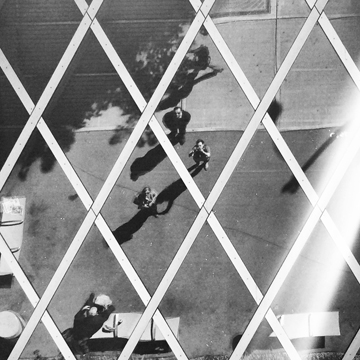
Back in September, J.A. Brennan participated in the Urban Design Scavenger Hunt, sponsored by our friends at MAKERS Architecture and Urban Design during the Seattle Design Festival.  The hunt led us all over the city to find the places portrayed in historic photos.  We did the best we could to interpret the locations. Our reward for winning first place: Volumes I-III of Seattle Now and Then!

Here are some of the images our team submitted.

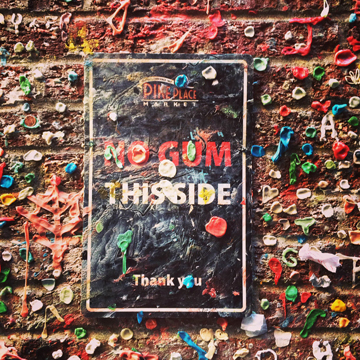
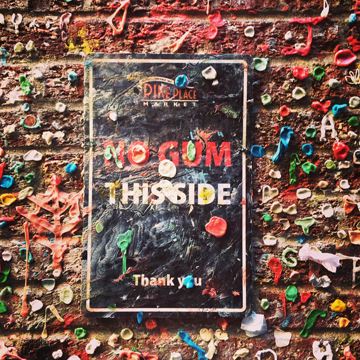
Post Alley
Post Alley Gum Art
IMG_0306ps
South Lake Union
The Seattle Public Library
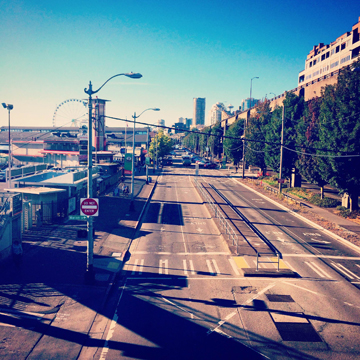
Our waterfront in transition!
IMG_0301ps
City Hall
IMG_0299ps
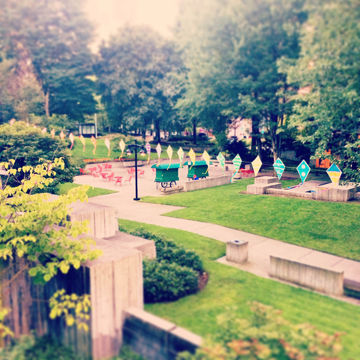
Freeway Park
Westlake
Westlake
IMG_0302ps
Development and celebration at the North Lot

Dune Fencing: Practical and Beachy

Protected plantings_IMG_2844
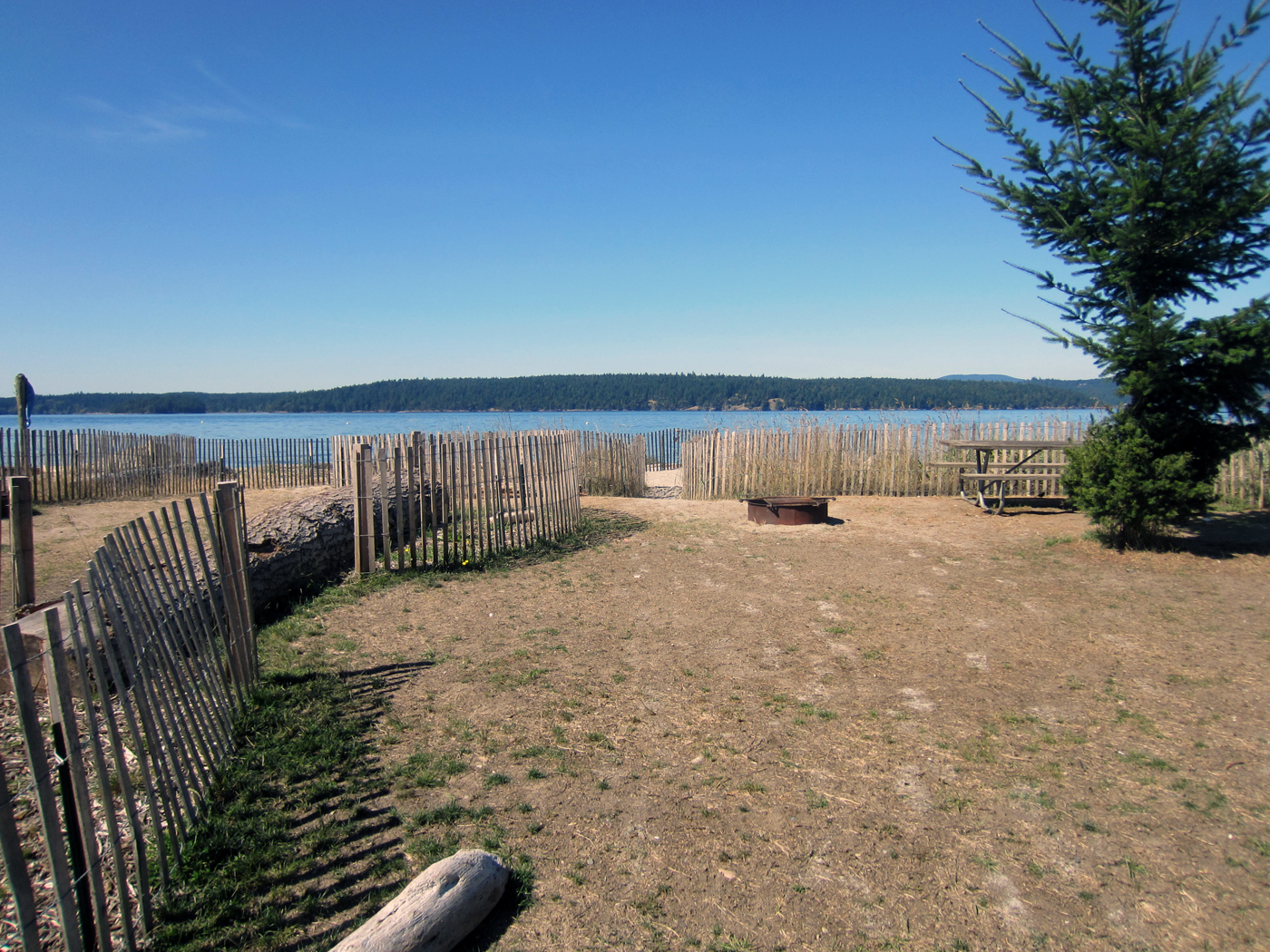
Protective dune fencing at Odlin Park

by Mike Perfetti, Senior Associate, Landscape Architect

One challenge we face on many public park projects is protecting newly installed plants from being trampled by park users.  (Another challenge is preventing plants from being devoured by wildlife!)  Recently we worked with Davido Consulting Group at San Juan County’s Odlin Park to design renovations to an extremely popular waterfront campground.

Odlin Park - Rendered plan
The design relocates the campground road away from the beach and creates walk-in campsites in areas that were once pull-in (car) sites.

Previously, the beach sites were strung together, tents, and portable shelters packed in against one another.  Cars parked in all sorts of configurations within the sites.  Though patches of dune grass prevailed around user trails, the grass was unable to expand, limited by the expansive human footprint.

Walk in site_IMG_2814

With the renovations, we used native shoreline plants to create more privacy between the beach sites.  The restored vegetation on the shoreline also enhances habitat and reduces erosion.  The beach sites don’t have irrigation and budget was an issue during design, so it was important to take a restoration approach, using smaller plant material.
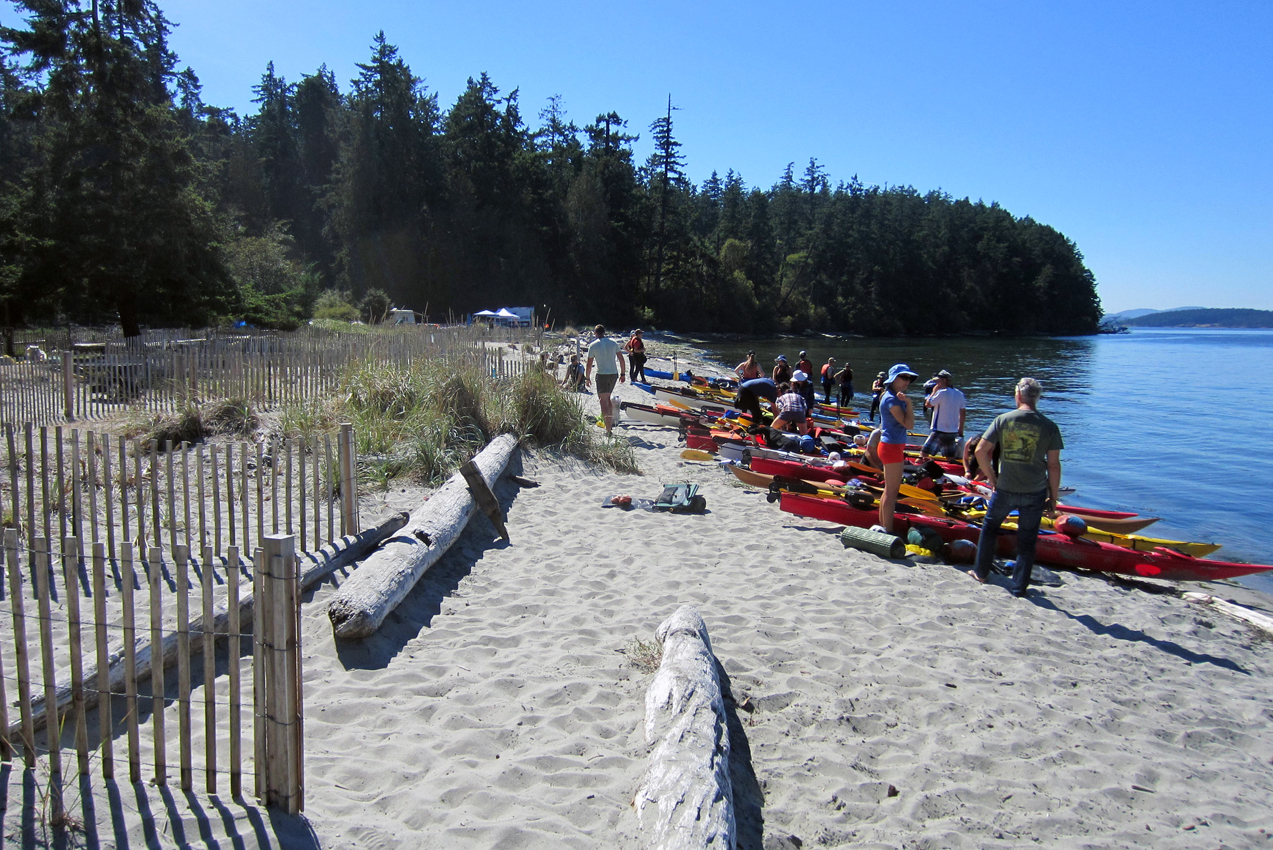
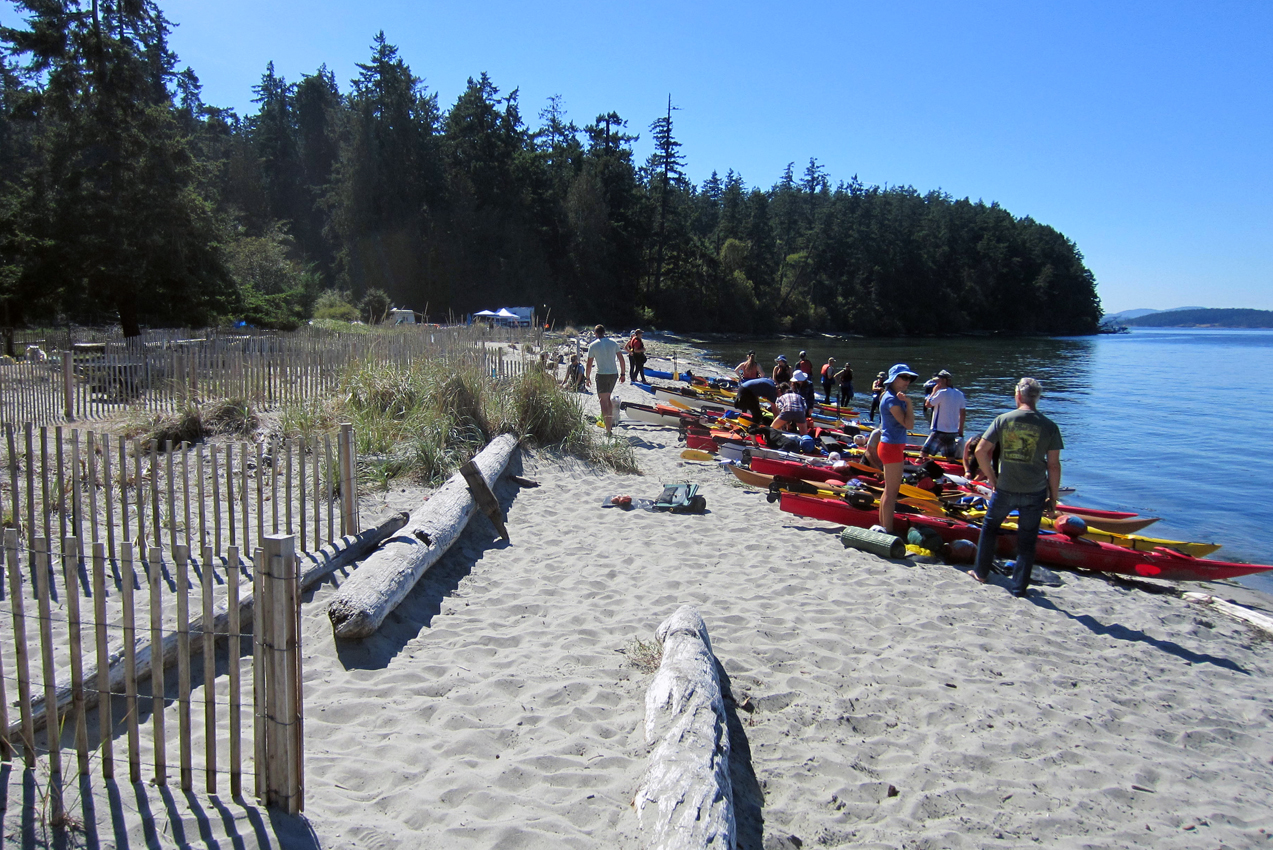
It will take some time for the smaller plants to become established and substantial enough to achieve their desired effect.  In anticipation of this time lag, we designed a pattern of dune fencing to protect the plants and delineate use zones.  After one jam-packed camping season and record-breaking heat, the shoreline planting areas are doing well.

kayakers_Odlin Park - Rendered plan

Shore pines, Nootka Rose and Dune grass will eventually form thickets of semi-shady beach plantings, their scent mixing with the salt air and helping to break the wind as campers stoke the beach fires.

beach2_2840

In the meantime, the dune fencing will provide some of that function, creating an aura that is distinctly beachy, a welcome improvement from the cluster of vehicles and the unabated camp stuff that used to sprawl across the shoreline at Odlin Park.
Culturally Sensitive Design

by Jim Brennan

I recently had the opportunity to travel to Taiwan’s scenic east coast again and present at a symposium.  I have been involved with tourism planning for the East Coast Tourism Bureau for the past 15 years and previously worked on development of the Green Island Master Plan.

The S.E. Coast of Taiwan is experiencing increased visitation of tourists from mainland China.  The rapid growth in tourism and resulting encroachments on tribal lands and traditional use areas is creating negative impacts to Taiwan’s aboriginal community.  At the symposium, I presented concepts for culturally sensitive design and discussed processes to involve the native community.  I worked with Joe Lee of ECG International, a partner firm, to explore and present case study projects that successfully express cultural identity.

As the first discussion, the symposium served as a starting point for the long-term goal, which is to find common ground that leads to mutually beneficial solutions for the government, tribes, and developers.

Jim and Joe Lee.
Jim and Joe Lee.

There will be lots of hard work to get to a win / win outcome.  The director of the East Coast Scenic Area was impressed with the progress made during the meeting.  We expect that the plan resulting from this process will protect tribal interests and improve Taiwan’s scenic east coast for all visitors.


Bike to Work Month Summary

photo 2ps

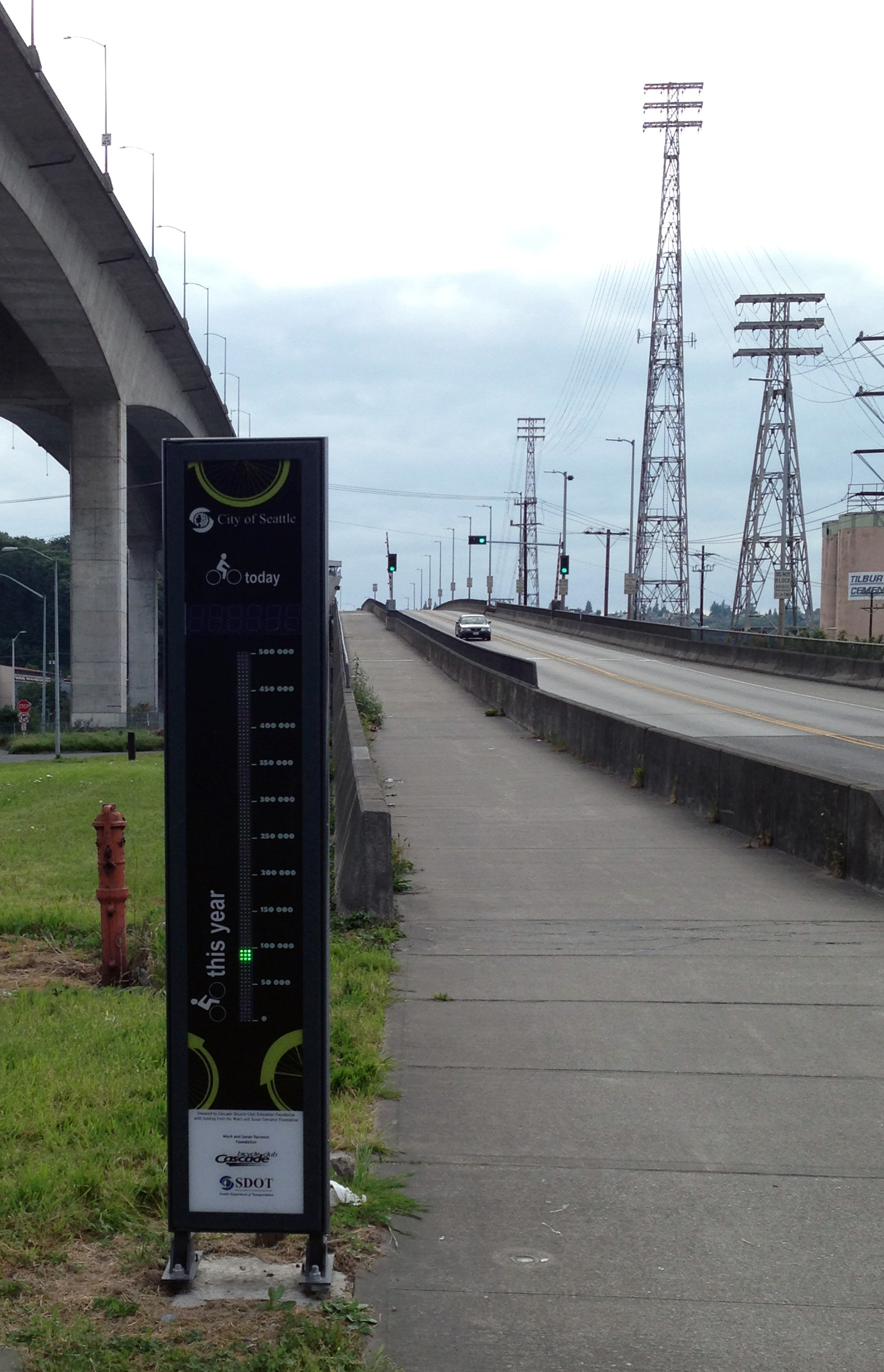
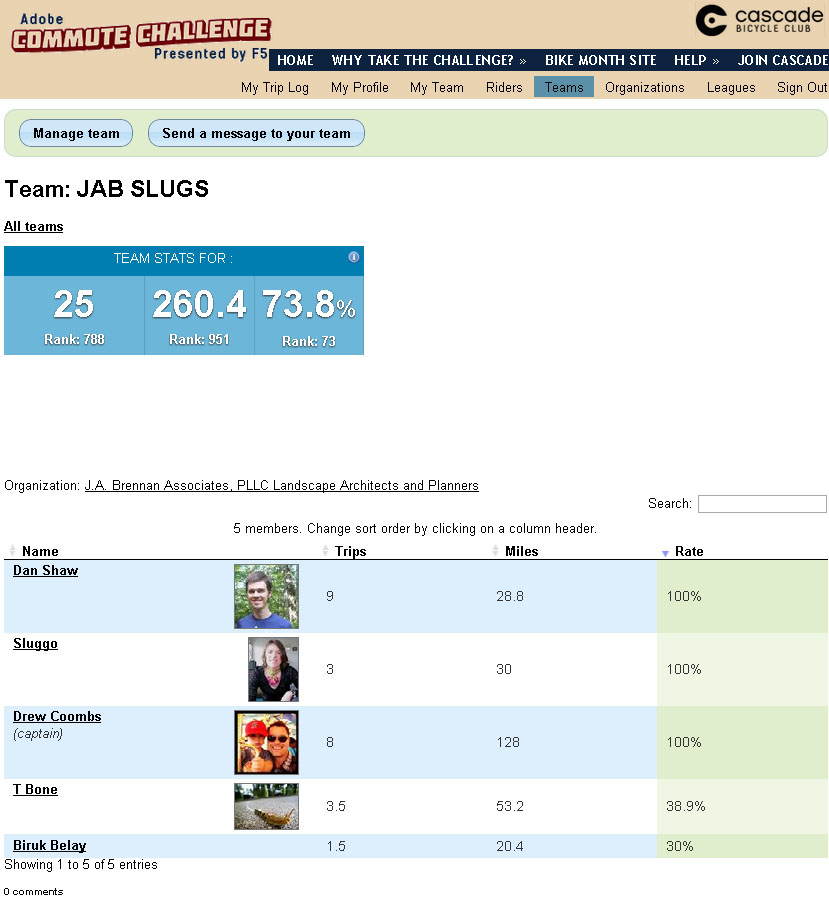
We had fun riding with the rest of Seattle’s bicyclists in May to complete the Bike to Work Commute Challenge.

Our team of five completed a total of 637.2 miles through the month.  Bikers rode to Pioneer Square from White Center, the Central District, Ravenna, Wallingford, and Greenwood.

Thanks to the JAB Slugs for all your efforts AND for logging your miles.  Thanks also to the Cascade Bicycle Club for organizing this event in the Seattle Area.

We’ll keep biking on.

industry scenepsmeterps

Facilities and Parks Spotlight Award

Don Morse Park_20130726_Phase 1 Post Construction_0136

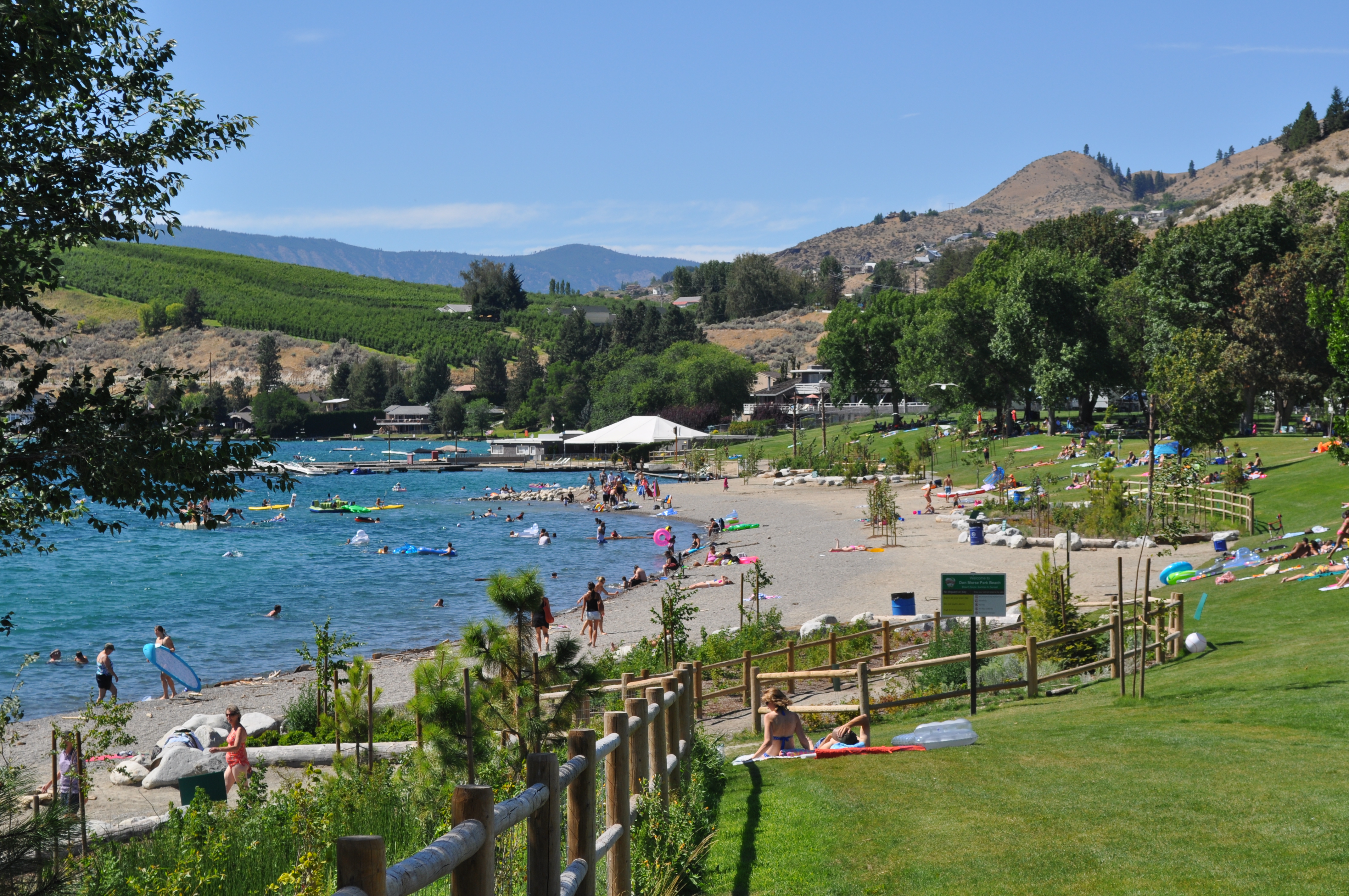
The Washington Recreation & Park Association (WRPA) recently awarded Don Morse Park in Chelan a Facilities and Parks Spotlight Award.

“Spotlight Awards highlight excellence and achievements in the field of parks and recreation by honoring the amazing efforts of public agencies.  Facilities & Parks Awards recognize the highest standards in design, development and renovation of park and recreation areas.” – WRPA

J.A. Brennan congratulates the City of Chelan and Parks and Recreation Director Charles Sablan.  We are proud to have helped Chelan restore its premier waterfront park and swimming beach.

J.A. Brennan served as prime consultant.  The design team included Reid Middleton, Coast & Harbor Engineering, The Watershed Company, SWCA, Budinger & Associates, Shannon & Wilson, Cascade Interpretive Design, Sparling, Erlandsen Inc., and Nelson Geotechnical Consultants.

For more information: http://bit.ly/1prObAV

Biking to Work…

The crew at JAB is at it!  Our office of 8 has joined the 2014 Cascade Commute Challenge.  We have a 63% participation rate, five staff members are actively involved in the bike to work month of May (and most other months too). We are almost at the halfway point of bike to work and have accumulated a total of 260 miles.

JAB-bike-Challengeteam

NICE WORK TEAM!!

photo 2aps

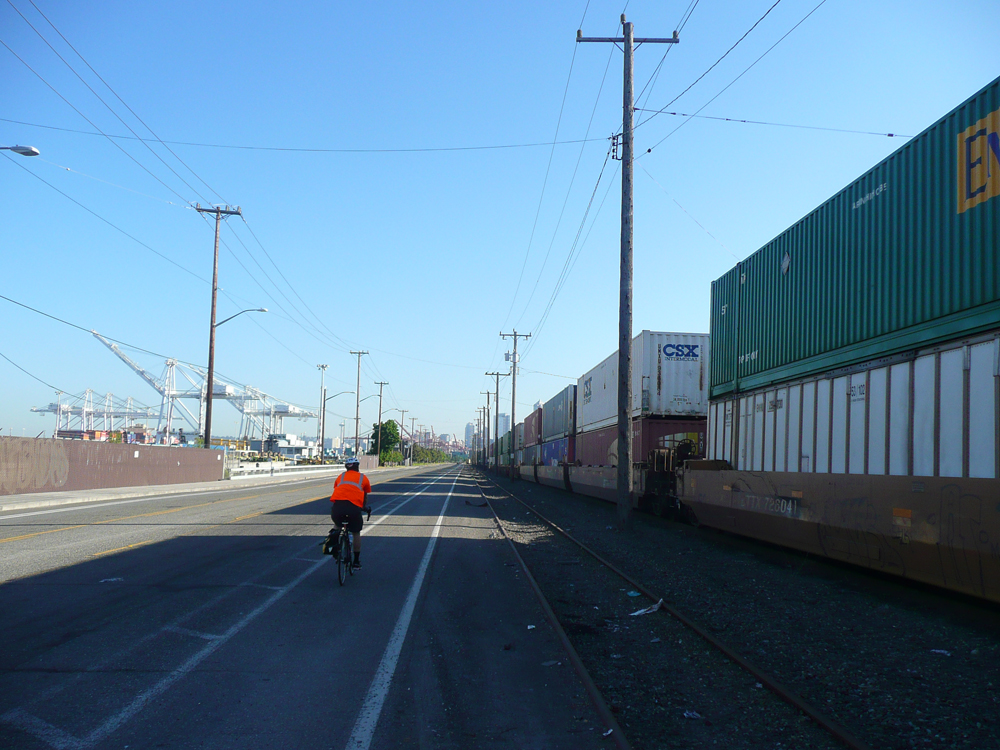
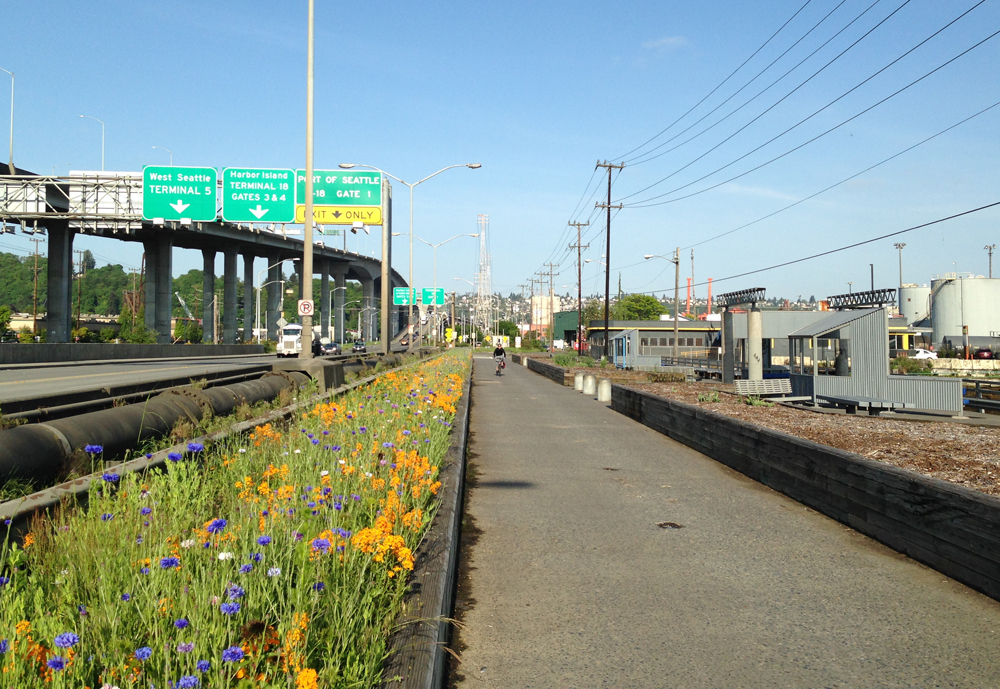
Drew’s wonderfully sunny homeward bound commute across the Duwamish River yesterday!  Industry and wildflowers mix it up on the East Channel crossing.

Entiat Park Revitalization Update

Entiat Park on the Columbia River is getting a big makeover by the Chelan County Public Utility District (PUD).  J.A. Brennan Associates is leading a multi-disciplinary design effort to update this well-loved and well-worn camping and day use waterfront park.  Built in the age of big lawns, rows of poplar trees, and motor-first recreation, the new park will be revitalized to fit today’s ecological and recreational values.

Entiat Park is closed for 2014 while construction is taking place.  To date, much of the invasive species eradication and extensive earthwork and has taken place.  Currently, the contractor is nearing completion of the soft shore installation.

IMGP4486
Construction photo
IMGP5003 Before
Pre-construction shoreline conditions

The new Entiat Park will offer a well-rounded recreational experience that includes provisions for both motorized and non-motorized watercraft, organized individual and group tent camping areas close to the water, as well as improved RV facilities.  By relocating the campground road away from the water’s edge, we could open up the shoreline to accommodate a regional trail and improved day use areas along the river.

IMGP4276
One of several touchpoints to access the waters of the Columbia River

The design calls for a series of touch points, separated by lengths of native vegetation, where park visitors can access the water for wading, fishing or other activities.  In these locations, the shoreline is graded gently to expose the site’s sandy substrate, which makes for a fine beachy surface.

J.A. Brennan is bringing today’s ecological design tools of soft shore design and native plant restoration to the park.  After suffering years of unabated intrusion of invasive species, the new park will include a lush, native riparian ecosystem along the river as well as select restoration of the unique shrub-steppe environment.

IMGP4292
Habitat-friendly, soft shore applications include native cobbles and root wads

The design calls out two types of shoreline applications. In steeper areas, the design employs a mix of on-site cobbles and boulders with live stake plant material in the interstitial spaces to form a densely vegetated, naturalistic rocky, cobble shore.  Where slopes are a bit gentler, a seeded gravel/soil mix provides a green and dynamic shoreline, backed up by vegetated coir log installations.

IMGP4508
Campsites and utility hook-ups under construction

We are excited to see the project moving forward.  There are many more exciting improvements to come before the grand opening in time for the 2015 season.  Check back in later to see the progress.  Thanks for reading!

Design a site like this with WordPress.com
Get started